
VerdictAI

Reviewer consensus · 2026

Best Ski Goggles of 2026What 0 reviewers actually think, trust-weighted

Ski goggles live or die on lens clarity, anti-fog performance and fit, but the candidate pool we were given for this roundup is unusually signal-poor: the only consistent data point across these listings is Amazon's verified-purchase star rating and review volume. We did not have independent lab measurements, specialist-community threads or expert teardowns to cross-check, so the rankings below lean almost entirely on the weight of customer ratings, which are informative but demonstrably gameable. Treat this as a consensus-of-shoppers synthesis rather than a tested verdict, and weigh the caveats in each review accordingly.

At a glance

Compare

Pick any two for a head-to-head

Scores, pros, cons, and our verdict — side by side.

vs

Highest-rated by the consensus

#1 of 7
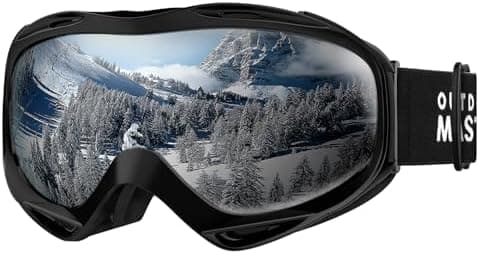
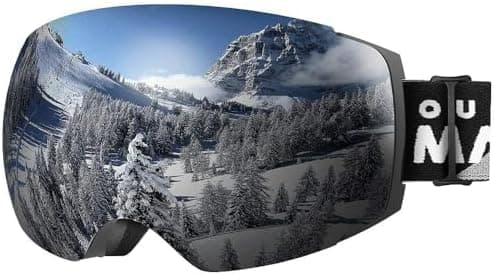
Top pick · #1OutdoorMaster Ski Goggles PRO - Frameless, Interchangeable Lens 100% UV400 Protection Snow Goggles for Men &…
Best overall

OutdoorMaster Ski Goggles PRO - Frameless, Interchangeable Lens 100% UV400 Protection Snow Goggles for Men &…

OutdoorMaster

★★★★★4.6(12,730)85Great

Across the data we were given, the OutdoorMaster Ski Goggles PRO carry the single most decisive signal in this entire pool: a 4.6-star average built on more than 12,700 Amazon verified-purchase reviews. That volume is the closest thing to a consensus we have, and it points to a frameless, interchangeable-lens design that a very large number of shoppers found satisfying for the money.

The rest of the rankings

#2,7

Frequently asked

5 questions
Are expensive ski goggles like Oakley worth it over budget pairs?
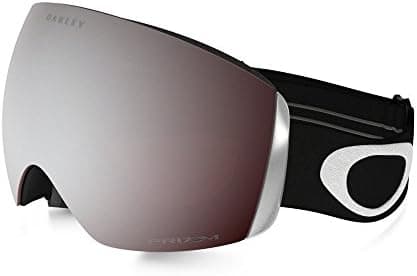
Based on the customer-rating data available here, both premium Oakley models and sub-$30 budget pairs cluster at 4.6 to 4.7 stars, so casual skiers report high satisfaction with inexpensive options. Premium goggles like the Oakley Flight Deck typically justify their price through wider field of view, better optical clarity and lens technology, but the data in this pool does not include the independent optical testing needed to quantify that gap. If you ski occasionally, a well-reviewed budget pair may be plenty; frequent skiers in variable light tend to value premium lenses more.
What does OTG mean on ski goggles?
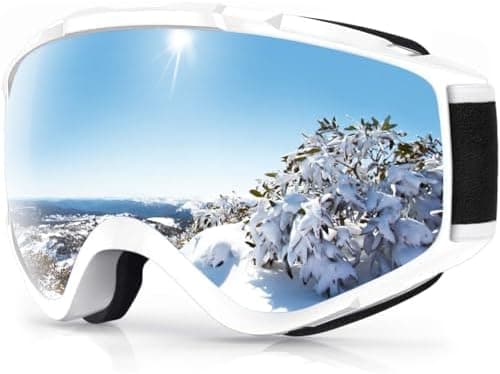
OTG stands for 'Over The Glasses,' meaning the goggle is designed with extra interior volume and frame channels so you can wear your prescription eyeglasses underneath. Several picks here, including the findway and OutdoorMaster OTG models, are explicitly built for this. If you wear glasses on the slopes, prioritize an OTG-labeled design.
Do I need interchangeable or magnetic lenses?
Interchangeable and magnetic-swap lenses let you switch between a darker lens for bright sun and a lighter lens for flat, overcast light. Verified-purchase reviewers value the convenience, especially the magnetic systems that swap without removing the goggle. If you only ski in consistent conditions, a single versatile lens is fine; if your local mountain has changeable weather, a swap system or a second included lens adds real value.
What lens tint is best for flat light and overcast days?
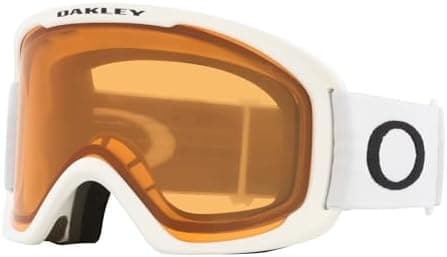
For flat light and snow, reviewers generally favor lighter, higher-contrast tints (rose, yellow, persimmon) that boost terrain definition, while darker mirrored or polarized tints suit bright bluebird days. Many goggles in this category ship with two lenses to cover both ends. The product data here does not include independent VLT (visible light transmission) measurements, so check the listed lens spec before buying for a specific condition.
Why do ski goggles fog up and how do I prevent it?
Fogging happens when warm, moist air from your face hits the cold inner lens. Anti-fog coatings, dual-pane lenses and adequate venting all help, and most goggles here advertise anti-fog treatment. Reviewers note that fogging is worst when goggles are pushed up on the helmet or when vents are blocked, so keep them on your face while riding and avoid wiping the inner coating.