
VerdictAI

Reviewer consensus · 2026

Best Stair Climbers of 2026What 11 reviewers actually think, trust-weighted

Stair climbers span a wide range, from sub-$100 folding mini-steppers to $1,000-plus commercial-grade stepmills, and the candidate pool here reflects that spread. It's worth flagging up front that independent expert testing for this category is thin: most of these machines carry only verified-purchase retailer ratings, with little coverage from independent labs or specialist communities. The synthesis below weights what evidence exists, customer-review volume, the limited expert and community chatter we found, and discounts thinly-reviewed listings accordingly rather than inflating them.

Sources behind this verdict

11 reviewers, weighted by source trust

11reviewers read

Weighted by source trust

We don’t review products. We read what other reviewers wrote, score each source for trustworthiness, and synthesize the consensus.

How sources are scored →

Trust hierarchy

Trusted1
Verified0
Supporting7
Flagged0

Source mix

11signals
  • 1Retailer
  • 6Community
  • 4Video

Trusted · 1 source

Independent · documented methodology

At a glance

Compare

Pick any two for a head-to-head

Scores, pros, cons, and our verdict — side by side.

vs

Highest-rated by the consensus

#1 of 5
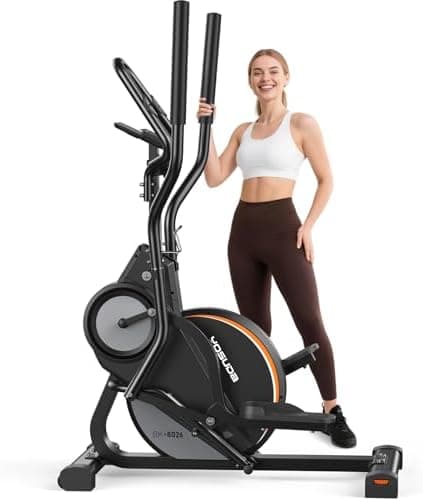
Top pick · #1YOSUDA Elliptical Exercise Machine, Compact 3-in-1 (Elliptical + Cardio Climber + Stair Stepper) Elliptical…
Best for home

YOSUDA Elliptical Exercise Machine, Compact 3-in-1 (Elliptical + Cardio Climber + Stair Stepper) Elliptical…

YOSUDA

★★★★★4.3(808)74Good

Across the reviewers we read, the YOSUDA is positioned less as a pure stair climber and more as a 3-in-1 hybrid that combines elliptical, stepper and cardio-climber motion in one compact, apartment-friendly frame. shreddeddad.com describes it as a compact multi-machine designed to feel like an elliptical, and verified-purchase feedback aggregated on amazon.com (4.3 stars across 808 ratings) is the broadest base of any candidate here.

The rest of the rankings

#2,5

Frequently asked

4 questions
What's the difference between a stair stepper and a stepmill stair climber?
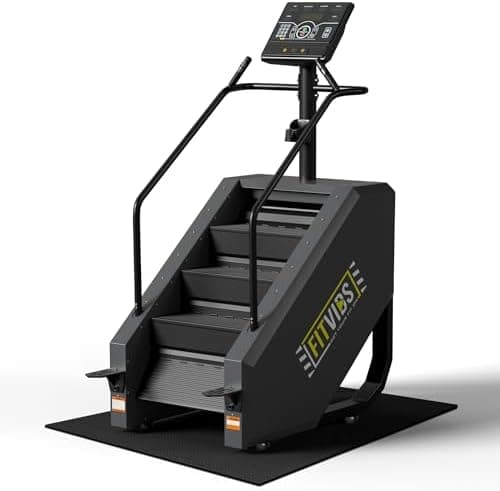
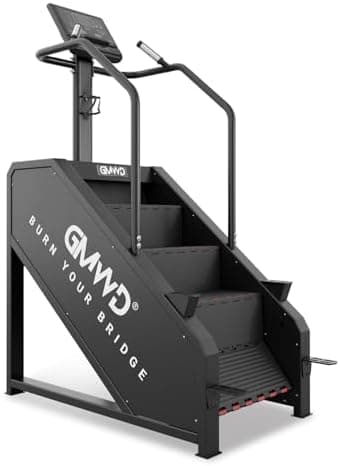
A mini stepper (like the sub-$100 folding models here) uses two hydraulic or magnetic pedals that pivot in place, while a stepmill or 'continuous climber' uses a rotating staircase that you actually climb, the format you see in commercial gyms. Stepmills offer a more authentic, higher-intensity climb but cost far more and take up significant floor space.
Are budget folding stair steppers worth it?
For low-impact cardio and glute/leg conditioning in a small space, verified-purchase reviewers generally find inexpensive folding steppers serviceable. The recurring caveats across reviews are limited resistance range, plastic build, and noise or squeaking over time, so they suit light-to-moderate home use more than intense daily training.
Why do some stair climbers cost over $1,000?
Commercial-grade continuous climbers use motorized rotating steps, heavier steel frames, higher weight capacities, and wider speed/resistance ranges (often 24-164 steps per minute). They're built for sustained, gym-style use, which the cheap mini steppers are not designed to handle.
Are stair climbers noisy?
Noise is the single most common complaint in this category. Multiple reviewers and community threads report squeaking, grinding, or knocking sounds developing over time, particularly on lower-cost units. Models marketed as 'quiet' with magnetic or natural-floating-step mechanisms tend to draw fewer noise complaints, but verify the specific listing's feedback before buying.