
VerdictAI

Reviewer consensus · 2026

Best Weight Benches of 2026What 71 reviewers actually think, trust-weighted

Weight benches span a huge range, from sub-$60 foldables to gym-grade adjustable FID platforms, and the consensus across independent testers, verified-purchase reviewers, and specialist communities like r/homegym and r/GarageGym is that capacity claims and pad width matter more than star ratings alone. This roundup is a trust-weighted synthesis of what reviewers have already published, leaning on high-trust testing sources such as garagegymreviews.com and long-running home-gym subreddits, with promotional and flagged signals discounted. We summarize where reviewers agree and, just as importantly, where they openly disagree.

Sources behind this verdict

71 reviewers, weighted by source trust

At a glance

Compare

Pick any two for a head-to-head

Scores, pros, cons, and our verdict — side by side.

vs

Highest-rated by the consensus

#1 of 7
Top pick · #1REP Adjustable Weight Bench | Home Gym Equipment | Foldable Workout Platform | Flat Incline Decline FID…
Best overall

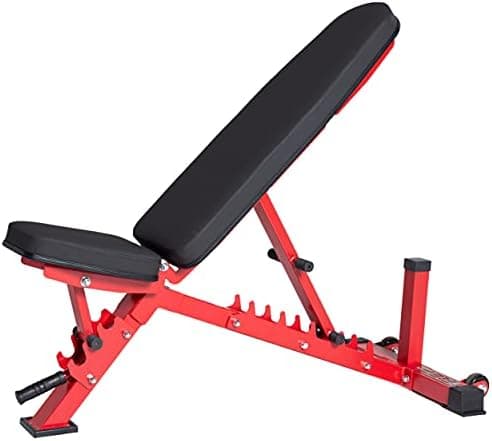
REP Adjustable Weight Bench | Home Gym Equipment | Foldable Workout Platform | Flat Incline Decline FID…

REP

★★★★★4.8(111)88Great

Across the reviewers we read, the REP AB-3100 is the most consistently recommended pick when build quality is the priority. garagegymreviews.com highlights its three-post design for proper bench-press form, compliance with IPF standards, and nine total adjustment positions (six back-pad, three seat), framing it as a serious step above generic Amazon benches.

The rest of the rankings

#2,7

Frequently asked

5 questions
What weight capacity do I actually need in a bench?
For most home lifters, reviewers note that a tested 600–800 lb capacity is more than enough since the rating includes the lifter plus the loaded bar. Specialist subreddit consensus is that very high numbers like 1,300 lb are marketing headroom; build quality, pad width, and wobble matter more than the headline capacity for everyday training.
Is an adjustable bench or a flat bench better for a home gym?
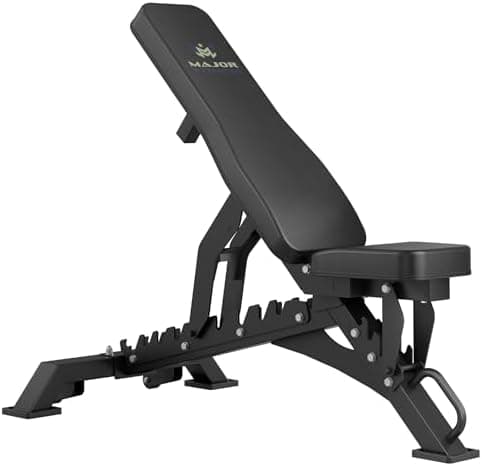
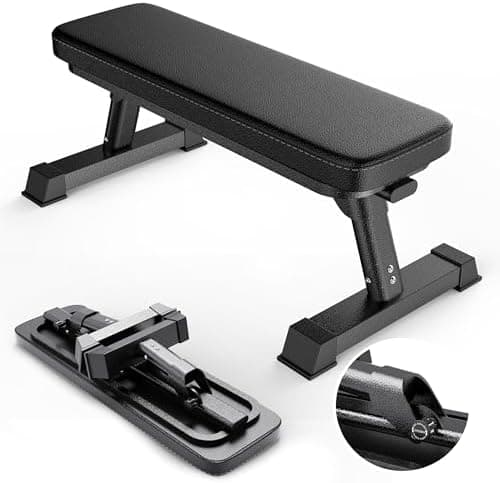
High-trust r/homegym threads repeatedly point out that a dedicated flat bench is lighter, more stable, sits at a consistent ~16-inch height, and costs less, making it ideal if you mostly bench press. An adjustable FID bench adds incline, decline, and seated work but introduces a back-pad gap and some flex. Many lifters end up owning both.
Are cheap Amazon adjustable benches safe for heavier lifting?
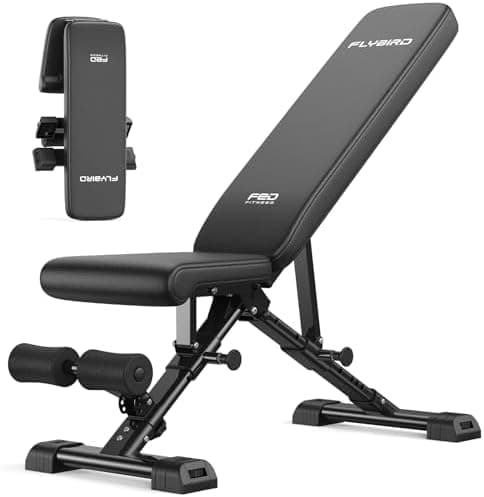
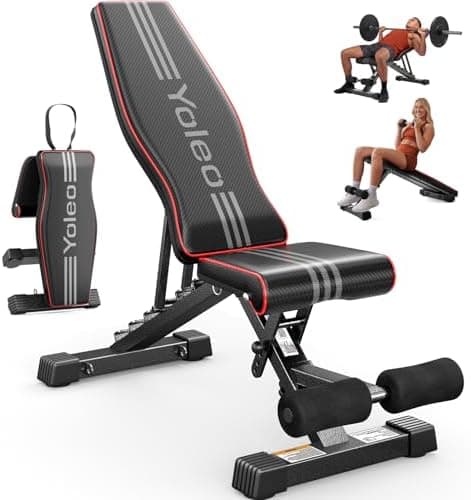
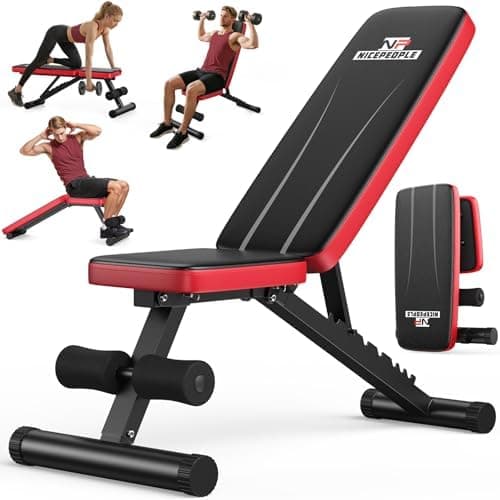
Reviewers say budget benches from brands like FLYBIRD, YOLEO, and NICEPEOPLE are stable and reliable for dumbbell work and moderate barbell loads, but specialist communities advise upgrading as you progress past roughly 250–300 lb of bodyweight-plus-bar. Keeping bolts tight is a recurring maintenance tip.
Why do reviewers complain about the back-pad gap on adjustable benches?
The gap between the seat and back pad can dig into your back during pressing. Community reviewers note that benches with a longer top pad (or zero-gap designs) let you position yourself so the gap doesn't matter, which is why pad length and width come up constantly in discussions.
What's the most important spec people overlook?
Pad width. Multiple r/GarageGym posts flag overly narrow pads (around 8–10 inches) as uncomfortable and unstable for bench pressing, while a wider pad improves stability at the cost of shoulder mobility. Reviewers recommend matching pad width to your build and primary lifts.