
VerdictAI

Reviewer consensus · 2026

Best Weight Plates of 2026What 69 reviewers actually think, trust-weighted

Weight plates span a wide range, from budget cast iron to calibrated competition rubber, and the right pick depends heavily on whether you drop loads, chase precise micro-loading, or just want cheap iron for slow lifts. This roundup synthesizes what verified-purchase reviewers, specialist communities like r/homegym and r/GarageGym, and high-trust testing sites such as GarageGymReviews and BarBend have already published, weighted by source trust rather than any hands-on testing of our own. Where reviewers disagree on accuracy, bounce, or rack fit, we surface that rather than smoothing it over.

Sources behind this verdict

69 reviewers, weighted by source trust

69reviewers read

Weighted by source trust

We don’t review products. We read what other reviewers wrote, score each source for trustworthiness, and synthesize the consensus.

How sources are scored →

Trust hierarchy

Trusted3
Verified0
Supporting10
Flagged0

Source mix

69signals
  • 44Community
  • 25Video

Trusted · 3 sources

Independent · documented methodology

At a glance

Compare

Pick any two for a head-to-head

Scores, pros, cons, and our verdict — side by side.

vs

Highest-rated by the consensus

#1 of 8
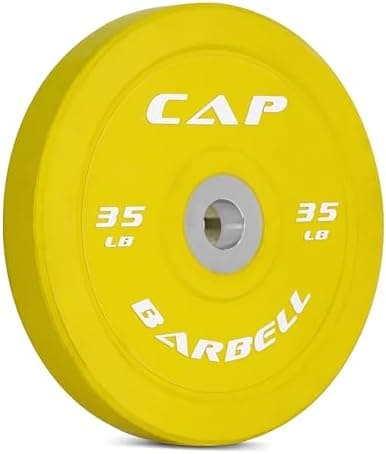
Top pick · #1CAP Barbell Rubber Olympic Bumper Plate | Multiple Options/Colors
Best overall

CAP Barbell Rubber Olympic Bumper Plate | Multiple Options/Colors

★★★★★4.5(3,969)86Great

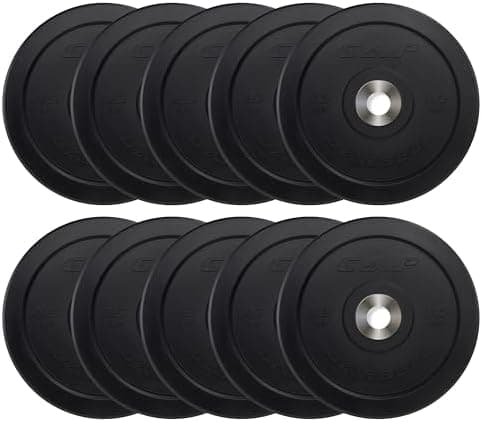
Across the reviewers we read, CAP's rubber Olympic bumper plate is the most broadly recommended drop-capable plate in this pool. Verified-purchase reviewers rate it 4.5 stars across roughly 3,969 reviews, and r/homegym posters describe the production quality as high with "only marginal play" on the hub, while r/GarageGym buyers report the weight is "pretty accurate, as good as other plates." The steel inner hub and color-coded coding draw consistent praise for the price.

The rest of the rankings

#2,8

Frequently asked

5 questions
Should I buy bumper plates or cast iron plates for a home gym?
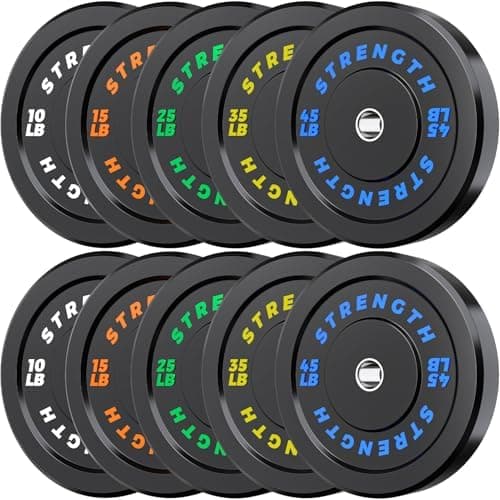
Across the reviewers we read, the consensus is that bumper plates are worth it if you deadlift or do Olympic lifts and need to drop the bar, because they protect floors and are quieter. Cast iron plates are cheaper per pound and take up less space on the bar, making them a better value for slow grinding lifts where you won't be dropping weight. Many specialist-community posters own both.
How accurate are budget weight plates compared to their stamped weight?
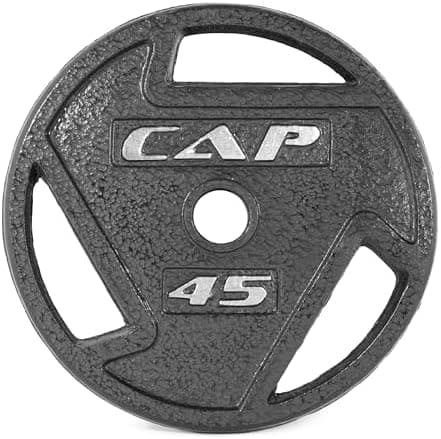
Specialist-community testing is mixed. An r/homegym member who weighed CAP cast iron plates found them within roughly 1% to 2.7% of stamped weight, which most lifters consider acceptable. However, other r/homegym posters caution that some budget bumper plates can read under their stamped weight, so if exact loading matters to you, calibrated plates or a scale check are worth considering.
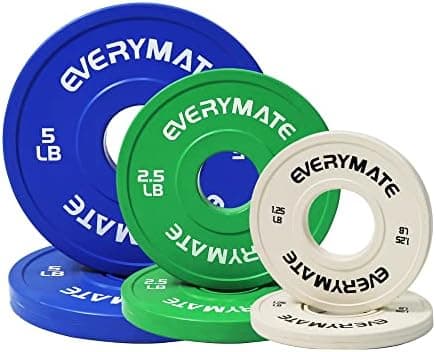
What are change or fractional plates and do I need them?
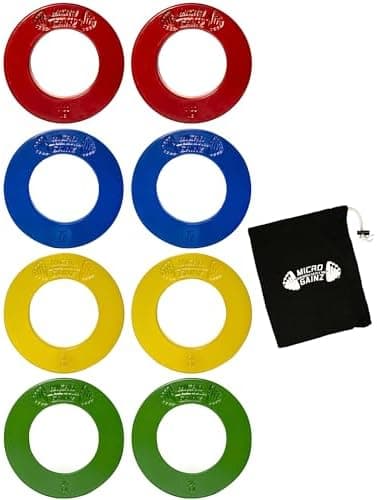
Change and fractional plates (commonly 0.25 to 5 lb) let you progress in smaller increments than standard 5 lb jumps, which reviewers say helps avoid stalls on pressing movements. Calibrated fractional sets advertise tight tolerances (one popular set claims +/- 5 grams), and r/Fitness threads note they're most useful for upper-body lifts where a 10 lb total jump is too large.
Why do some bumper plates not fit on standard plate racks?
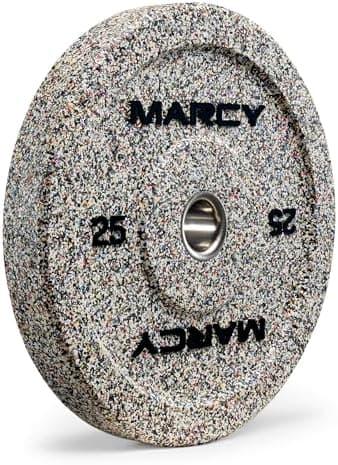
r/homegym reviewers repeatedly flag that thicker bumper plates, especially high-density or virgin-rubber designs, can be too wide to seat properly on standard plate trees and racks. If you already own storage, check the plate thickness before buying, because several posters said they regretted not doing so.
Are cheap Amazon bumper plates good enough, or should I pay for a name brand?
Community consensus on r/GarageGym leans toward established brands for heavy dropping, but high-volume budget sets like CAP's economy bumpers draw consistent praise for value (some buyers report paying under $1/lb on sale). The trade-offs reviewers cite are occasional odor, slightly less precise weight, and grip that can feel slick, none of which are dealbreakers for most home lifters.