
VerdictAI

Reviewer consensus · 2026

Best Band Saws of 2026What 48 reviewers actually think, trust-weighted

Band saws span a wide range, from sub-$150 benchtop hobby units to floor-standing 14-inch workhorses and handheld portable metal-cutters, and the right pick depends heavily on what you plan to cut. This roundup is a trust-weighted synthesis of what specialist woodworking and metalworking communities, verified-purchase retailer reviewers, and mainstream tool press have already published, rather than our own hands-on testing. Where high-trust community consensus and verified-methodology sources disagree with marketing claims or thin star ratings, we surface that conflict instead of smoothing it over.

Sources behind this verdict

48 reviewers, weighted by source trust

48reviewers read

Weighted by source trust

We don’t review products. We read what other reviewers wrote, score each source for trustworthiness, and synthesize the consensus.

How sources are scored →

At a glance

Compare

Pick any two for a head-to-head

Scores, pros, cons, and our verdict — side by side.

vs

Highest-rated by the consensus

#1 of 5
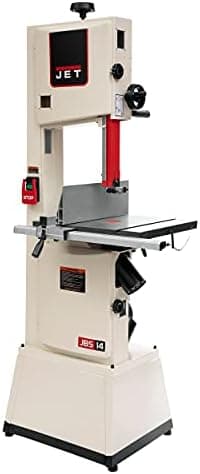
Top pick · #1JET 14-Inch Woodworking Band Saw, 1 HP, 115/230V 1Ph (JWBS-14CS)
Best overall

JET 14-Inch Woodworking Band Saw, 1 HP, 115/230V 1Ph (JWBS-14CS)

★★★★★4.1(94)84Great

Across the reviewers we read, the JET JWBS-14CS is treated as the default 14-inch hobbyist-to-light-pro band saw, and the strongest praise comes from high-trust r/woodworking threads. Owners there describe it as 'very decent and a very decent price,' versatile across resawing and curved furniture cuts, and note that 'the 14" design is very similar across brands and there are tons of aftermarket parts and upgrades for it,' which several reviewers frame as the saw's real long-term advantage.

The rest of the rankings

#2,5

Frequently asked

5 questions
What size band saw do I actually need?
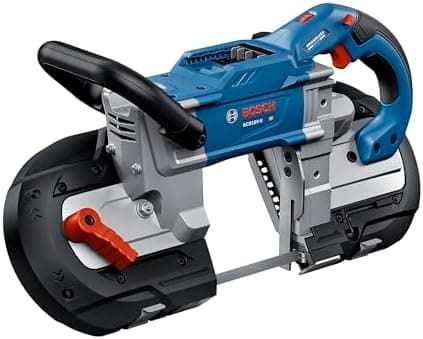
For curves, scrollwork and light hobby cuts, 9- and 10-inch benchtop saws are widely recommended across the communities we read. For resawing wider hardwood boards into thinner stock, reviewers consistently point to 14-inch floor-standing saws with more horsepower and resaw height. Portable handheld band saws are a separate category aimed mainly at metal and pipe cutting.
Why do reviewers say cheap band saws don't cut straight?
Across r/woodworking and r/BeginnerWoodWorking threads, the most repeated complaint about budget saws is blade drift and burning, usually traced to the included stock blade, under-built guides, and tensioning that needs tuning. Many of the same reviewers report straight cuts after swapping in a better aftermarket blade and dialing in the guides, so expect some setup regardless of price.
Can a woodworking band saw cut metal?
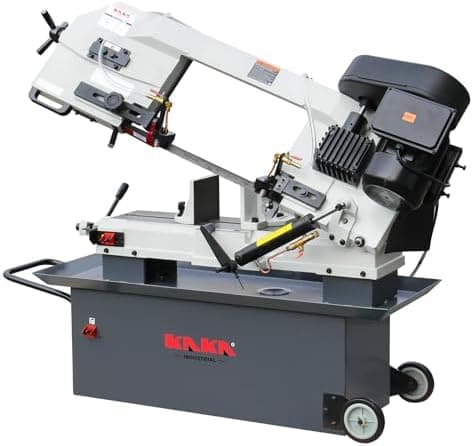
Only the models specifically built for it. Dedicated metal/wood vertical saws and portable handheld band saws run at slower blade speeds suited to steel and aluminum, while standard wood benchtop saws run too fast for metal. Verified-purchase and community reviewers note portable band saws excel at pipe and light stock but struggle with heavy rebar.
Is a 14-inch band saw worth it over a benchtop?
Specialist-community consensus is yes if you plan to resaw or cut thick hardwood, because of the added power, rigidity and resaw height. The tradeoffs reviewers cite are weight (often 200+ lbs), price, and the need for assembly and tuning. Benchtops remain the favorite for small shops doing curves and lighter work.
What's the first upgrade owners recommend after buying?
Almost universally, a better blade. Multiple community threads describe the factory blade as the weakest part of nearly every saw at every price point, and report that a quality resaw or general-purpose blade transforms cut quality.