
VerdictAI

Reviewer consensus · 2026

Best Bench Grinders of 2026What 62 reviewers actually think, trust-weighted

Bench grinders span a wide range, from compact 6-inch variable-speed units for sharpening chisels and knives to 1 HP cast-iron workhorses built for high-volume shop duty. This roundup synthesizes what verified-purchase reviewers and specialist woodworking, turning, and tool communities have written across the web, weighting independent customer feedback and forum consensus over marketing copy. Because no high-tier independent lab testing surfaced for these specific models, the rankings lean on large verified-purchase samples and recurring community pain points rather than first-party measurements.

Sources behind this verdict

62 reviewers, weighted by source trust

62reviewers read

Weighted by source trust

We don’t review products. We read what other reviewers wrote, score each source for trustworthiness, and synthesize the consensus.

How sources are scored →

At a glance

Compare

Pick any two for a head-to-head

Scores, pros, cons, and our verdict — side by side.

vs

Highest-rated by the consensus

#1 of 7
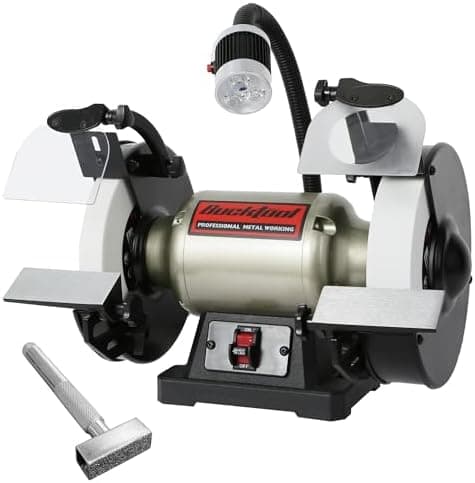
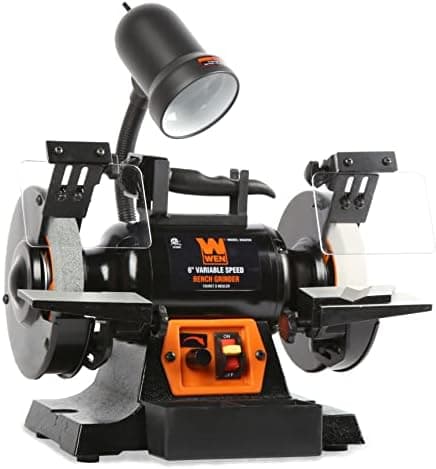
Top pick · #1WEN BG625V 2.5-Amp 6-Inch Variable Speed Bench Grinder with Flexible Work Light , Black
Best overall

WEN BG625V 2.5-Amp 6-Inch Variable Speed Bench Grinder with Flexible Work Light , Black

WEN

★★★★★4.6(5,029)85Great

Across the reviewers we read, the WEN BG625V is the default value recommendation for a home-shop bench grinder. Verified-purchase customers on Amazon, Home Depot, and Walmart converge on the same picture: a solid, well-constructed 6-inch unit whose variable-speed motor (2,000 to 3,400 RPM) and built-in flexible work light make it well suited to reviving old tools, sharpening chisels and plane irons, and honing knives.

The rest of the rankings

#2,7

Frequently asked

5 questions
Should I buy a 6-inch or 8-inch bench grinder?
Across specialist communities like r/turning and r/handtools, the consensus is that 8-inch wheels run at a higher surface speed for the same RPM, remove material faster, and stay cooler with a lighter touch, which matters for sharpening hardened steel. A 6-inch unit like the WEN BG625V is cheaper, more compact, and plenty for reviving tools and general home-shop work. Choose 8-inch if you sharpen frequently or want to fit CBN wheels.
Is a slow-speed grinder better for sharpening tools?
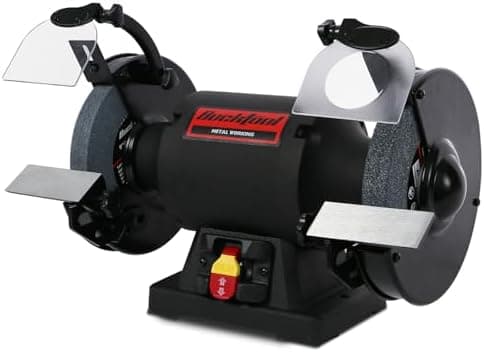
Reviewers focused on sharpening chisels, plane irons, and turning tools strongly favor low-speed (around 1,750 RPM) grinders because they generate less heat and reduce the risk of bluing an edge. Forum posters in r/handtools repeatedly recommend 8-inch low-speed units such as the BUCKTOOL TDS-200C4HL for this exact reason. High-speed grinders are fine for rough metal removal but demand a more careful touch.
Why does my new bench grinder vibrate so much?
This is the single most common complaint across verified-purchase and community feedback. In r/woodworking threads about Delta grinders, the recurring diagnosis is out-of-balance or out-of-round factory wheels rather than a bad motor. Many reviewers report that truing the wheels with a diamond dresser, or swapping to balanced aftermarket or CBN wheels, eliminates most vibration.
Are the tool rests on budget bench grinders any good?
Generally no. Across r/turning and r/Tools, the most consistent criticism of inexpensive grinders is flimsy, out-of-square tool rests that are not level with the wheel. Many owners replace the factory rests with an aftermarket sharpening jig or platform regardless of brand, so it is worth budgeting for that upgrade if precise sharpening is your goal.
Can I put a wire wheel or CBN wheel on a bench grinder?
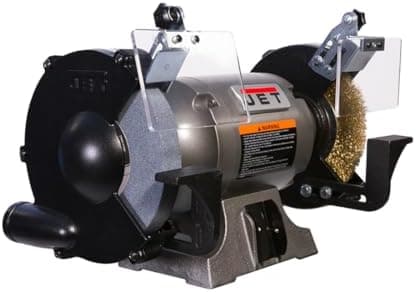
Yes, and reviewers commonly do both. Wire wheels are popular for rust and paint removal, though community posters note they run louder and can introduce vibration. CBN wheels are a frequent upgrade among woodturners; low-speed 8-inch grinders like the BUCKTOOL models are specifically called out as good CBN platforms because the motor holds speed under the heavier wheel.