
VerdictAI

Reviewer consensus · 2026

Best Portable Generators of 2026What 50 reviewers actually think, trust-weighted

Portable generators in this roundup span two very different worlds: traditional gas, dual-fuel and tri-fuel units built for whole-home backup, and battery-based solar power stations aimed at camping and short outages. Rather than testing these ourselves, we synthesized the consensus across mainstream tech press, specialist communities like r/Generator, and verified-purchase reviewers at major retailers, weighting independent testing and high-moderation retailer reviews most heavily. The picks below reflect where reviewers broadly agree, including the failure modes they flag, so you can match a unit to your actual power needs.

Sources behind this verdict

50 reviewers, weighted by source trust

50reviewers read

Weighted by source trust

We don’t review products. We read what other reviewers wrote, score each source for trustworthiness, and synthesize the consensus.

How sources are scored →

At a glance

Compare

Pick any two for a head-to-head

Scores, pros, cons, and our verdict — side by side.

vs

Highest-rated by the consensus

#1 of 5
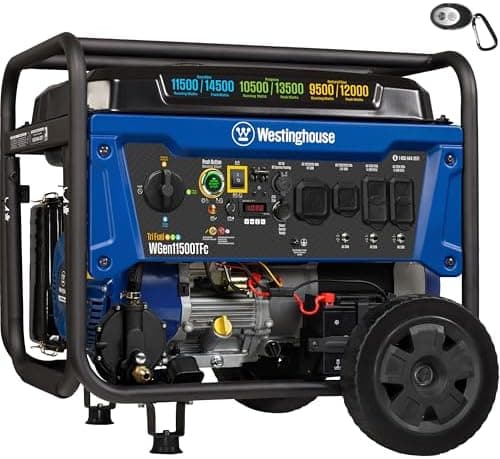
Top pick · #1Westinghouse 12500 Watt Dual Fuel Home Backup Portable Generator, Remote Electric Start, Transfer Switch…
Best overall

Westinghouse 12500 Watt Dual Fuel Home Backup Portable Generator, Remote Electric Start, Transfer Switch…

★★★★★4.7(10,813)89Great

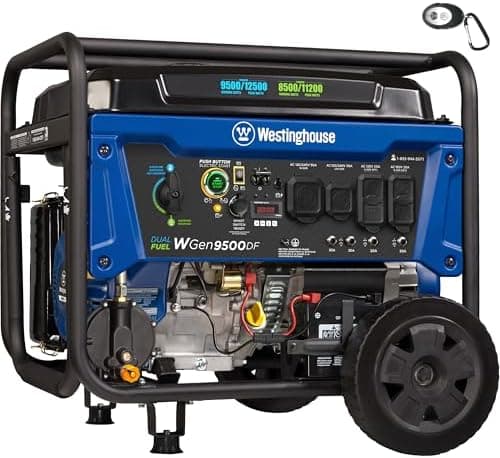
Across the reviewers we read, the Westinghouse 12500 dual-fuel is the most consistently recommended home-backup generator in this pool. bobvila.com, which runs documented in-house testing, reported it 'easily powers up appliances, tools, and more for emergencies or off-grid adventures.' That lines up with the verified-purchase consensus at Home Depot and Amazon, where reviewers repeatedly praise the push-button and remote electric start, the included accessories (oil, battery tender, propane regulator), and easy assembly.

The rest of the rankings

#2,5

Frequently asked

5 questions
Do I need an inverter generator or a conventional one for home backup?
Across the reviewers we read, the split comes down to what you're powering. Conventional dual-fuel and tri-fuel units like the Westinghouse 12500 and 14500 deliver far more wattage for the money and can run a furnace, fridge, well pump and even central AC, which is why community consensus favors them for whole-home backup. Inverter units and battery power stations produce cleaner power (low THD) for sensitive electronics and run much quieter, but cost more per watt. Many specialist-community posters recommend matching running wattage to your essential circuits before deciding.
Are battery power stations like the Anker SOLIX or Jackery a replacement for a gas generator?
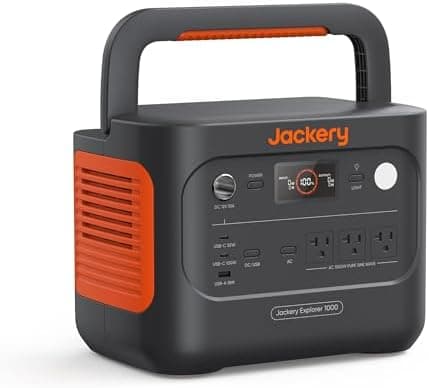
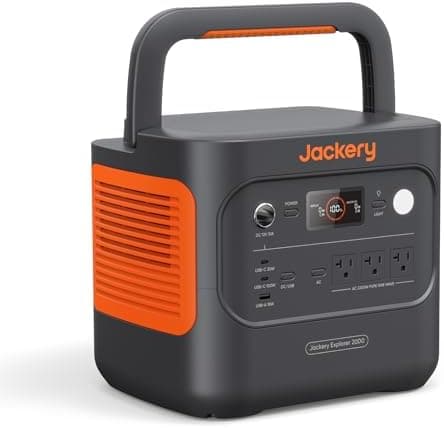
Reviewers generally describe them as complementary, not interchangeable. Verified-purchase and specialist-community feedback notes power stations excel at silent, fume-free, indoor-safe operation for short outages and camping, but their roughly 1,000Wh capacity (Anker SOLIX C1000, Jackery 1000) limits run time without solar recharge. For multi-day outages or running large appliances, mainstream reviewers still point to dual-fuel gas units.
How loud are portable generators?
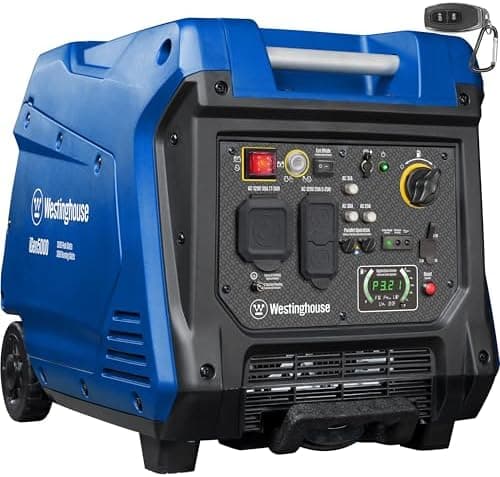
It depends heavily on type and load. Across reviewers, inverter units like the Westinghouse iGen5000 are cited as quiet (manufacturer and retailer reviews reference figures as low as 52 dBA), while open-frame and large dual-fuel units get noticeably louder under heavy load, a point r/Generator posters repeatedly stress. Battery power stations are effectively silent.
Is dual-fuel or tri-fuel worth the extra cost?
Specialist-community consensus is broadly yes for backup use: propane and natural gas store longer than gasoline and avoid gummed-up carburetors. However, r/Generator threads flag that some tri-fuel units, including the Westinghouse 14500, can be finicky to start or run on natural gas, and output drops on gaseous fuels versus gasoline.
What size generator do I need to run my house during an outage?
Reviewers consistently advise sizing by running watts of your essential loads, not peak ratings. Community posters note units in the 9,500–11,500 running-watt class (Westinghouse 12500/14500) can run most essentials and many central AC systems with a soft start, while ~2,000W inverter and battery units cover fridges, electronics and CPAPs but not large motors.