
VerdictAI

Reviewer consensus · 2026

Best Hand Planes of 2026What 0 reviewers actually think, trust-weighted

Hand planes are a category where reviewer signal is unusually thin online, so this roundup leans heavily on verified-purchase rating patterns from major retailers rather than independent lab testing. Across the products we reviewed, we found no high-trust expert teardowns or specialist-community threads in the supplied data, so treat these picks as a synthesis of customer-review consensus and price positioning, not as a substitute for hands-on tool testing. We've flagged where review volume is too low to draw firm conclusions.

At a glance

Compare

Pick any two for a head-to-head

Scores, pros, cons, and our verdict — side by side.

vs

Highest-rated by the consensus

#1 of 7

The rest of the rankings

#2,7

Frequently asked

5 questions
What hand plane should a beginner buy first?
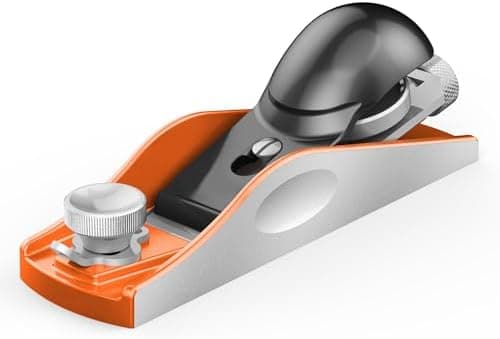
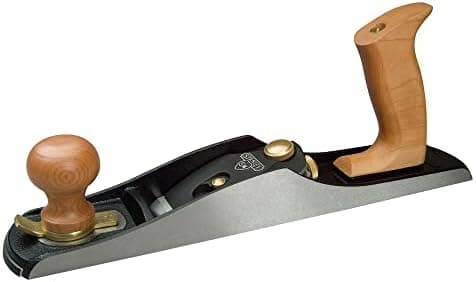
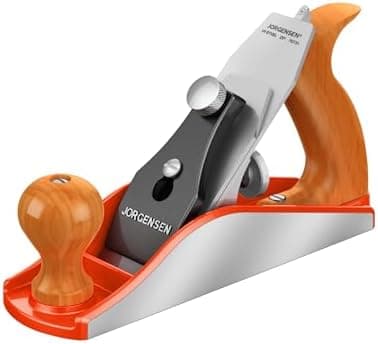
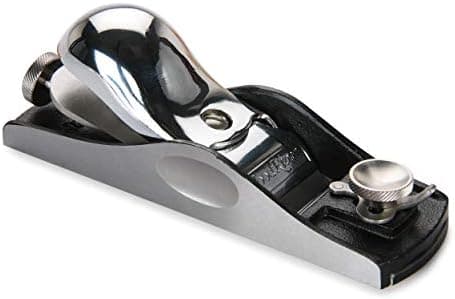
Most newcomers start with either a low-angle block plane for trimming and chamfering or a No. 4 smoothing plane for flattening and finishing surfaces. Verified-purchase reviewers tend to favor an affordable block plane first because it handles end-grain and small jobs with the least setup, while a No. 4 is the more versatile bench-plane starting point if you intend to flatten boards.
Are budget hand planes like Amazon Basics worth it?
Budget planes carry high review volume and low prices, but verified-purchase reviewers consistently note that the cheaper models require more tuning, flattening of the sole, and blade sharpening out of the box. They can produce good results after fettling, but reviewers describe the experience as a project rather than a ready-to-use tool.
What's the difference between a block plane and a smoothing plane?
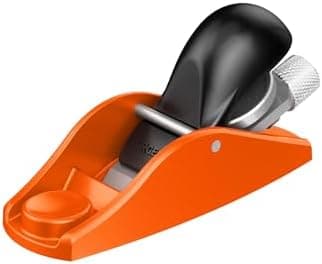
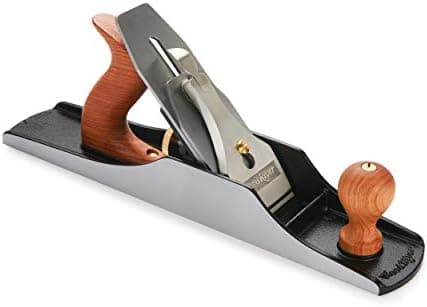
A block plane is small, used one-handed, and excels at end grain, chamfers, and trim work. A smoothing plane (typically a No. 4) is a two-handed bench plane used to flatten and finish the face of boards. Many woodworkers own both because they solve different problems.
Why do hand plane prices range from $12 to over $300?
Price tracks materials, machining tolerances, blade steel quality, and brand. Inexpensive ductile-iron planes need more user tuning, while premium models arrive with flatter soles and better-bedded blades that hold an edge longer. The supplied review data shows satisfaction at both ends of the range, but the cheaper tools demand more setup work from the buyer.
Do new hand planes need sharpening before use?
Yes, in nearly every case. Verified-purchase reviewers across price points report that even well-regarded planes benefit from honing the blade and checking the sole for flatness before the first use. Budget models in particular are frequently described as usable only after sharpening.