
VerdictAI

Reviewer consensus · 2026

Best Laser Levels of 2026What 75 reviewers actually think, trust-weighted

Laser levels span a wide range, from sub-$40 cross-line tools for hanging pictures to professional rotary systems built for grading entire jobsites. To build this roundup we synthesized verified-purchase reviews from major retailers, specialist tool publishers, and long-running trade communities on Reddit, weighting independent and high-trust testing sources above marketing copy. The result is a consensus view of which models reviewers actually trust for accuracy, visibility, and durability.

Sources behind this verdict

75 reviewers, weighted by source trust

At a glance

Compare

Pick any two for a head-to-head

Scores, pros, cons, and our verdict — side by side.

vs

Highest-rated by the consensus

#1 of 8
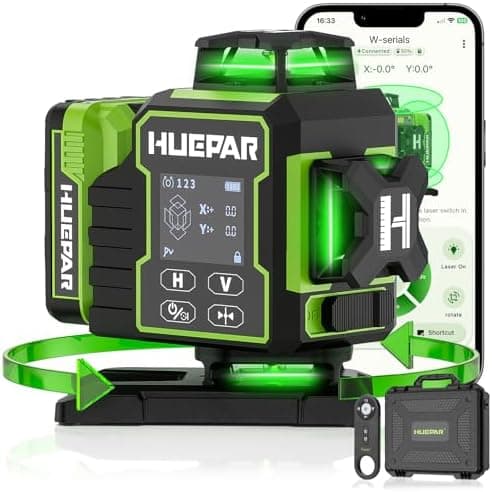
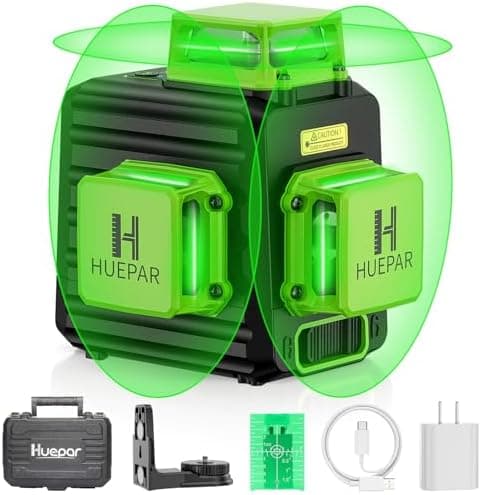
Top pick · #1HUEPAR Laser Level 360 Self Leveling, Rechargeable 3D High Brightness Green Laser 3x360° Best Laser Leveler…
Best overall

HUEPAR Laser Level 360 Self Leveling, Rechargeable 3D High Brightness Green Laser 3x360° Best Laser Leveler…

Huepar

★★★★★4.5(2,253)89Great

Across the reviewers we read, the Huepar B03CG is the most frequently recommended all-around laser level, especially for DIYers and pros who want 3x360 coverage without a professional price tag. bobvila.com rated the broader Huepar 360 line 4.7/5, and high-trust community threads echo that: r/Tools and r/electricians users repeatedly point to a 3x360 Huepar as the default value pick, with one r/electricians commenter saying their roughly $160 Huepar matches or beats far pricier lasers on the job.

The rest of the rankings

#2,8

Frequently asked

5 questions
Is a green laser level worth the extra cost over red?
Across the reviewers we read, the consensus is that green beams are noticeably easier to see, often described as up to four times brighter than red, which matters most in well-lit interiors and at distance. Specialist communities note green diodes cost more to produce, so expect to pay a premium; for short-range indoor DIY work a red beam can still be perfectly adequate.
What's the difference between a cross-line, 360-degree, and rotary laser level?
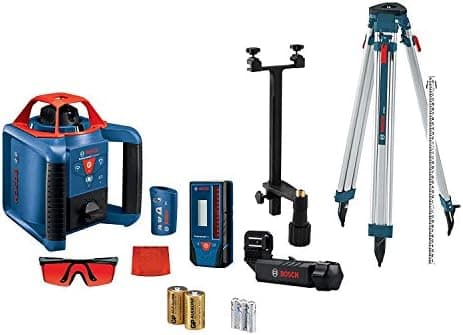
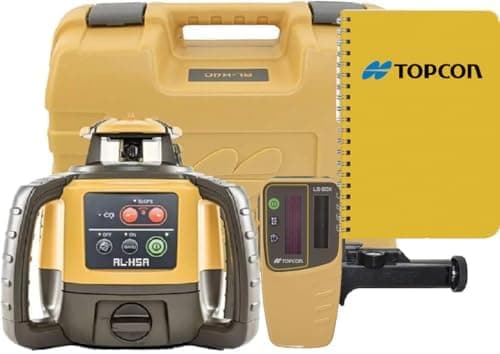
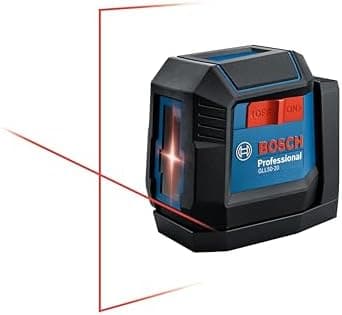
Cross-line lasers project a single vertical and horizontal line and are ideal for tiling, picture hanging, and cabinet work. 3x360 (or 4D) units throw full planes around the room for layout and electrical work. Rotary lasers spin a beam and pair with a detector for long-range outdoor grading and excavation, which is why reviewers reserve them for large jobsites.
How accurate do I need a laser level to be?
Trade-community discussion consistently points to roughly ±1mm per 10 meters (about ±1/8 inch at 100 feet) as the benchmark most contractors expect. DIY and residential tasks tolerate more, while grading and survey-adjacent work demand tighter rotary specs. Reviewers also stress checking calibration periodically, since some units drift with rough handling.
Are budget laser levels accurate enough for home use?
Verified-purchase reviewers and DIY subreddits report that inexpensive self-leveling units are generally accurate enough for hanging shelves, tile, and trim. The common trade-offs flagged are slower or fussier self-leveling, thicker lines, shorter battery life, and weaker durability, so heavy professional users tend to step up to name-brand tools.
Do I need a detector (receiver) with a laser level?
For indoor cross-line work, no. For rotary lasers used outdoors or at long range, reviewers note a detector is essentially required because the spinning beam isn't visible in daylight, which is why higher-end rotary kits bundle one along with a tripod and grade rod.