
VerdictAI

Reviewer consensus · 2026

Best Multimeters of 2026What 80 reviewers actually think, trust-weighted

Multimeters span a huge range, from $13 pocket testers to $450 industrial instruments, and the consensus across the reviewers we read is that the right pick depends far more on your job than on headline specs. This roundup synthesizes verified-purchase reviews from major retailers, specialist communities like r/Tools, r/electricians and r/AskElectronics, and expert teardown videos to weight what tradespeople and hobbyists actually report over time. We do not test meters ourselves; we summarize where independent sources agree, and flag where high-trust electrician communities disagree with budget-meter enthusiasm.

Sources behind this verdict

80 reviewers, weighted by source trust

At a glance

Compare

Pick any two for a head-to-head

Scores, pros, cons, and our verdict — side by side.

vs

Highest-rated by the consensus

#1 of 8
Top pick · #1Fluke 117 Digital Multimeter, Non-Contact AC Voltage Detection, Measures…
Best overall

Fluke 117 Digital Multimeter, Non-Contact AC Voltage Detection, Measures…

★★★★★4.8(5,165)91Excellent

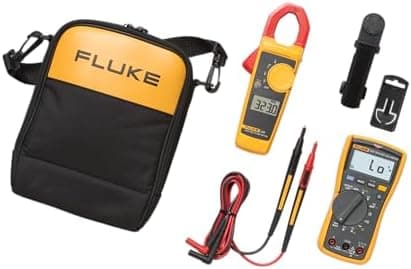
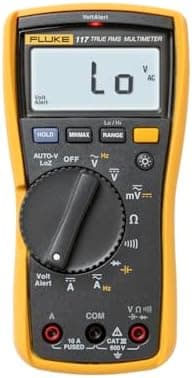
Across the reviewers we read, the Fluke 117 is the most consistently recommended all-around meter in this pool. In r/Tools, high-trust threads single out its non-contact voltage detection and selectable low-impedance (LoZ) mode for killing false readings from ghost voltage, and r/AskElectronics commenters praise its AC bandwidth and continuity beeper, with one describing the continuity response as instantaneous and confidence-inspiring.

The rest of the rankings

#2,8

Frequently asked

4 questions
Is a Fluke worth the money over a cheap multimeter?
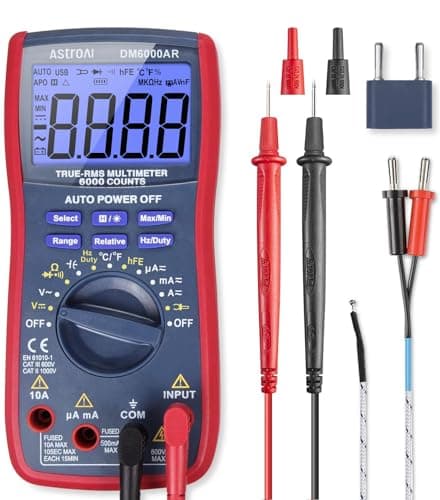
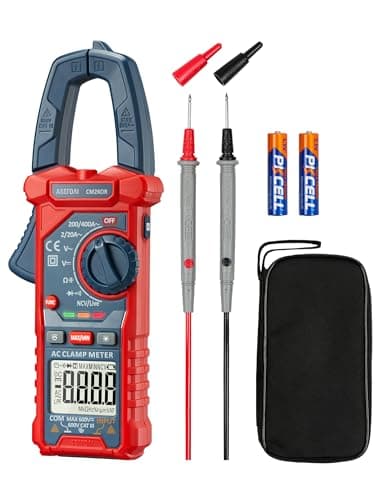
Specialist communities like r/AskElectronics consistently say Fluke's premium buys safety, input protection and long-term reliability rather than raw accuracy, which is why electricians measuring mains voltage overwhelmingly recommend them. For hobby electronics, household and automotive low-voltage work, the same threads acknowledge that budget meters such as the AstroAI line are accurate enough and far cheaper. The honest consensus: pay for Fluke when you're regularly around dangerous voltages.
What's the difference between auto-ranging and manual-ranging meters?
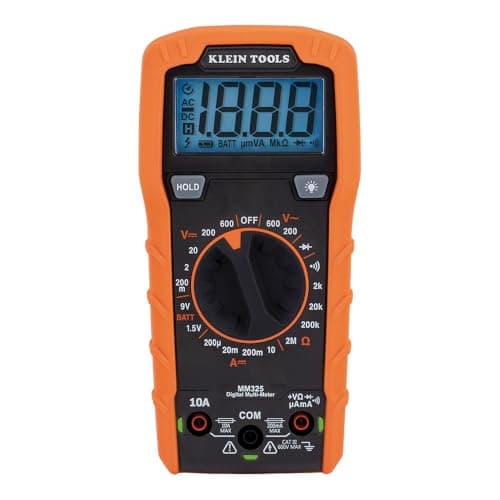
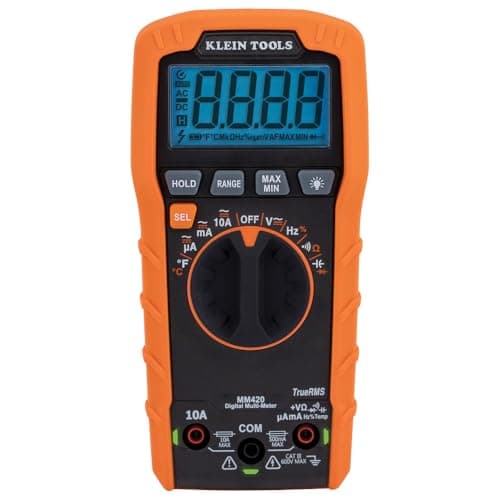
Auto-ranging meters (like the Klein MM420 and most AstroAI models) pick the measurement range for you, which beginners and reviewers generally prefer for speed. Manual-ranging meters (like the Klein MM325) require you to select the range but settle on a reading faster once set, which some experienced users prefer. Reddit threads note that people who initially disliked auto-ranging often come around to it.
Do I need True RMS in a multimeter?
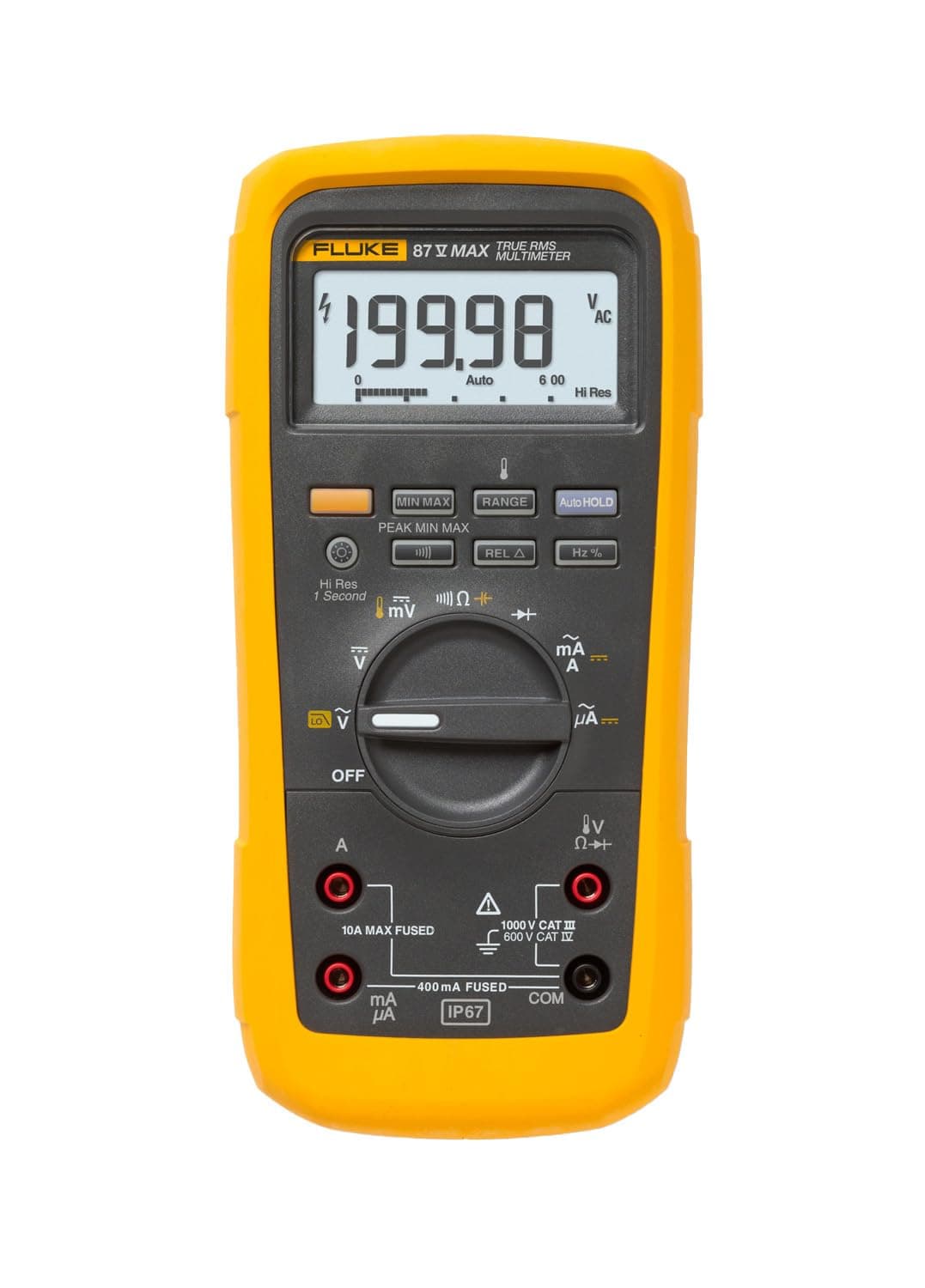
True RMS gives accurate readings on non-sinusoidal (distorted) AC signals common around motor drives, VFDs and electronics. Reviewers in r/electricians and r/PLC treat True RMS as important for industrial and commercial work, which is why the Fluke 87V and 117 are popular there. For simple DC, battery and household checks, non-True-RMS meters are usually adequate.
Which multimeter is best for car and automotive diagnostics?
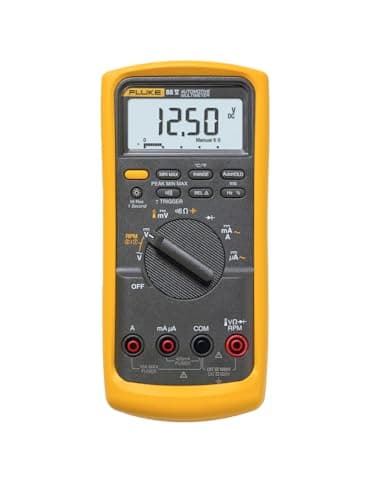
The Fluke 88V is purpose-built for automotive work with pulse-width and duty-cycle functions, but notably some r/mechanics commenters suggest the cheaper, more accurate 87V instead. For occasional automotive use, budget meters like the AstroAI DM6000AR get repeated approval in r/Tools as capable, low-cost options.