
VerdictAI

Independent algorithmic synthesis · 2026

Best Corded Orbital Sanders

Corded orbital sanders remain the workhorse choice for hobbyists and pros who want consistent power without battery swaps. We aggregated verified-purchase reviews from major retailers, specialist woodworking communities on Reddit, and YouTube tool reviewers to surface the consensus picks below. This is a synthesis of what reviewers across the internet are already saying, not our own bench test.

Sources behind this verdict

49 reviewers, weighted by source trust

49reviewers read

Weighted by source trust

We don’t review products. We read what other reviewers wrote, score each source for trustworthiness, and synthesize the consensus.

How sources are scored →

Trust hierarchy

Trusted2
Verified0
Supporting9
Flagged0

Source mix

49signals
  • 29Community
  • 20Video

Trusted · 2 sources

Independent · documented methodology

At a glance

Highest-rated by the consensus

#1 of 5
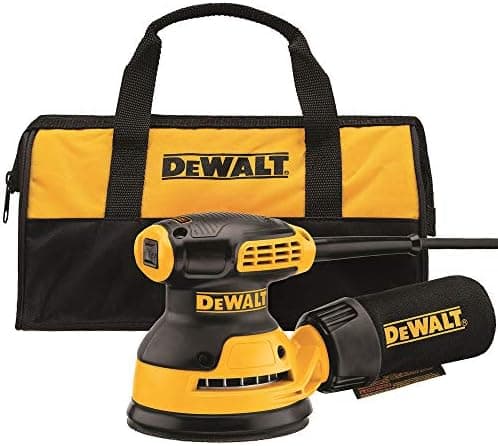
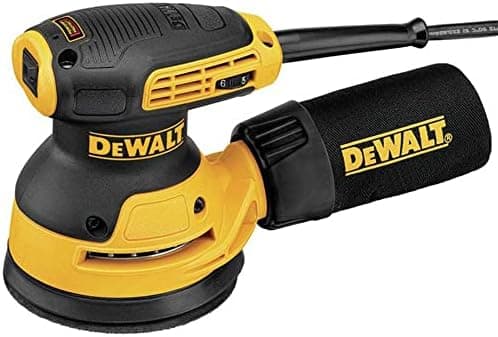
Top pick · #1DEWALT Orbital Sander Kit, 5 inch, 3 amp, Corded, 12,000 OPM (DWE6421K)
Best overall

DEWALT Orbital Sander Kit, 5 inch, 3 amp, Corded, 12,000 OPM (DWE6421K)

★★★★★4.7(5,519)89Great

Across the reviewers we read, the DEWALT DWE6421K is the most consistently recommended corded random orbital sander in this price tier. Verified-purchase commentary on Amazon, Lowe's and Autozone repeatedly describes the 3-amp motor and 12,000 OPM as more than sufficient for furniture, deck, and general DIY sanding, with reviewers on autozone.com reporting multi-year service with no issues.

The rest of the rankings

#2,5

Frequently asked

5 questions
What's the difference between a 5-inch and 6-inch random orbital sander?
A 6-inch pad covers roughly 40% more surface area than a 5-inch pad, which speeds up stock removal on large panels. Reviewers in r/woodworking note that 5-inch sanders are easier to control one-handed and have far cheaper, more widely available sanding discs, making them the better default for general DIY and furniture work. 6-inch tools shine for auto-body, big tabletops, and floor refinishing.
Are corded orbital sanders better than cordless?
For sustained sanding sessions, the consensus across mainstream tech press and Reddit tool communities is that corded sanders still deliver more consistent RPM under load and run indefinitely. Cordless models have closed the gap for short jobs, but several DeWalt-thread commenters note the corded versions hold pad speed better when you lean into the work.
How important is variable speed on an orbital sander?
Variable speed matters most for finishing work, polishing, and sanding heat-sensitive finishes or veneers where high RPM can burn the surface. For 80–120 grit rough sanding most users run flat-out, so a fixed-speed tool is fine. If you plan to polish, work with thin veneers, or sand plastics, prioritize variable speed.
Do I need dust extraction or is the included bag enough?
Across verified-purchase reviews and woodworking subreddits, the near-universal verdict is that onboard dust canisters and bags are mediocre at best. Hooking the sander to a shop vac (often via an adapter) dramatically improves dust capture, reduces airborne fines, and helps the abrasive last longer. Plan on a vac hookup for any serious indoor work.
What's a reasonable budget for a quality corded orbital sander?
Verified-purchase reviewers and Reddit tool threads consistently point to the $60–$90 range as the sweet spot for durable, low-vibration tools from established brands. Sub-$40 sanders work for occasional DIY but commenters flag shorter motor life and rougher vibration. Spending past $150 generally buys you premium dust extraction, a larger 6-inch pad, or pro-grade ergonomics.