
VerdictAI

Reviewer consensus · 2026

Best Wire Strippers of 2026What 49 reviewers actually think, trust-weighted

Wire strippers are one of those tools where the right pick depends heavily on what you're stripping — Romex and solid copper, fine stranded electronics wire, or mixed gauges all reward different jaw geometries. The picks below synthesize consensus from specialist subreddits like r/electricians and r/Tools, verified-purchase reviews on major retailers, and YouTube demos, weighted by trust tier. We didn't test these ourselves; we read what tradespeople and reviewers across the internet wrote and surfaced where they agree and disagree.

Sources behind this verdict

49 reviewers, weighted by source trust

49reviewers read

Weighted by source trust

We don’t review products. We read what other reviewers wrote, score each source for trustworthiness, and synthesize the consensus.

How sources are scored →

At a glance

Highest-rated by the consensus

#1 of 5
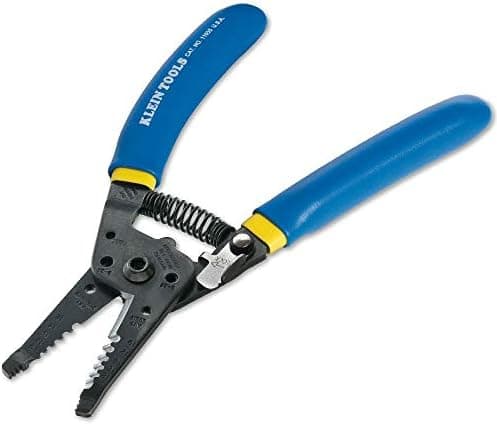
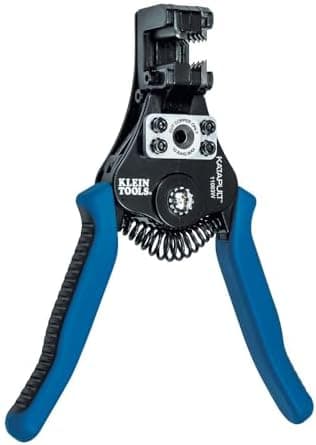
Top pick · #1Klein Tools 11063W Wire Cutter/Stripper, Heavy Duty Automatic Tool for 8-20 AWG Solid and 10-22 AWG Stranded…
Best overall

Klein Tools 11063W Wire Cutter/Stripper, Heavy Duty Automatic Tool for 8-20 AWG Solid and 10-22 AWG Stranded…

★★★★★4.8(10,989)90Excellent

Across the reviewers we read, the Klein 11063W "Katapult" is the most consistently praised wire stripper in this pool. On r/Tools and r/electricians, longtime users describe it as the stripper they keep coming back to after trying others, with multiple threads calling out its gauge-specific stripping holes for producing cleaner cuts than squeeze-style automatics regardless of insulation type.

The rest of the rankings

#2,5

Frequently asked

5 questions
Self-adjusting or manual wire strippers — which should I buy?
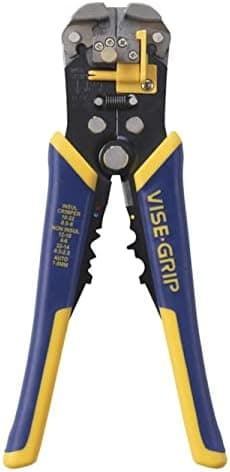
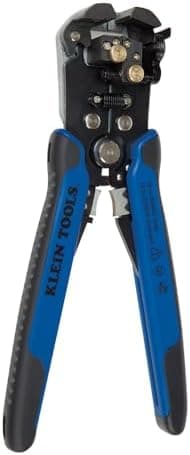
Across specialist-community discussion on r/Tools and r/electricians, the consensus splits by use case. Self-adjusting (squeeze-style) strippers are faster on repetitive work and forgiving for beginners, but reviewers repeatedly flag that they struggle with thick double-insulated jackets like THHN and have more moving parts that wear over time. Manual gauge-hole strippers (Klein-Kurve style) are slower per cut but produce cleaner results on a wider range of insulation types and tend to last longer. Many pros carry both.
Are Knipex wire strippers worth the price over Klein?
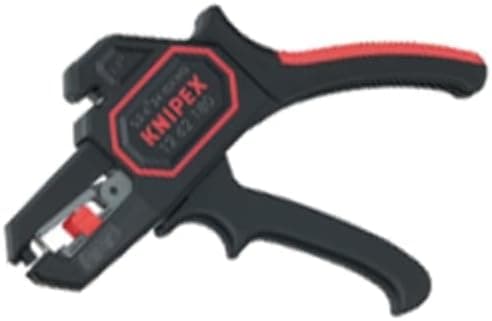
Specialist-subreddit threads (r/electricians, r/KnipexOfficial, r/Tools) generally call the Knipex 12 62 180 the gold standard for fine-gauge and small-diameter stripping, particularly for low-voltage, alarm, and access-control work. Critics on the same threads note the price is roughly double a comparable Klein, the cutter placement can pinch, and some users report the jaws wearing after months of daily use. For occasional or homeowner use, mainstream reviewers often consider Klein the better value.
What gauge range should I look for?
Most general-purpose strippers cover roughly 10–22 AWG, which handles household Romex (12/2, 14/2) down to thermostat and low-voltage wire. If you work with heavier service wire (6–8 AWG) you'll want a dedicated heavier tool, and if you work with very fine electronics wire (24–32 AWG) a self-adjusting model with fine-wire jaws is usually recommended.
Do I need a stripper with a built-in crimper?
For occasional terminal work, a combo stripper/crimper is fine and saves a tool slot. Reviewers across r/Tools repeatedly note that combo crimper jaws on basic strippers produce inconsistent crimps compared to a dedicated ratcheting crimper, so for any volume of insulated-terminal work, a two-piece kit is the more durable answer.
Why do some reviewers dislike automatic wire strippers?
On r/Tools and r/harborfreight threads, the recurring complaints are: trouble with clear or extra-thick insulation, occasional nicking of conductors, depth stops that don't work well, and a feeling of complexity-related failure (more moving parts = more to break). Reviewers who like them emphasize speed and consistency once you're past the learning curve.