
VerdictAI

Reviewer consensus · 2026

Best Wooden Building Blocks of 2026What 49 reviewers actually think, trust-weighted

Wooden building blocks are one of the most durable categories in kids' toys, but the range spans heirloom-grade hardwood unit sets, magnetic travel sets, alphabet carts, and lightweight cardboard jumbos. The synthesis below weights specialist parenting communities (notably r/Montessori and r/toddlers threads) and verified-purchase reviews from major retailers more heavily than brand-site testimonials. Where high-trust community threads disagree with marketing copy, we surface the disagreement honestly.

Sources behind this verdict

49 reviewers, weighted by source trust

49reviewers read

Weighted by source trust

We don’t review products. We read what other reviewers wrote, score each source for trustworthiness, and synthesize the consensus.

How sources are scored →

At a glance

Highest-rated by the consensus

#1 of 5
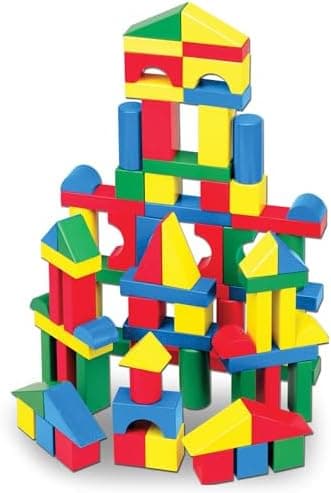
Top pick · #1Melissa & Doug Wooden Building Blocks, 100-Piece Set of Sorting & Stacking Toys in 4 Colors and 9 Shapes…
Best overall

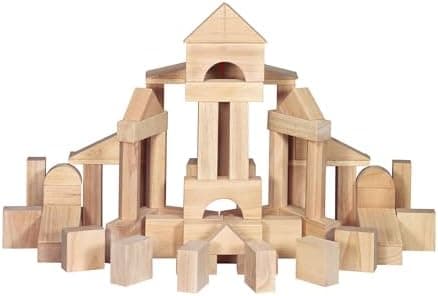
Melissa & Doug Wooden Building Blocks, 100-Piece Set of Sorting & Stacking Toys in 4 Colors and 9 Shapes…

★★★★★4.8(28,231)92Excellent

Across the reviewers we read, the Melissa & Doug 100-piece classic wood block set is the default recommendation when parents ask 'which blocks should I buy first.' Verified-purchase reviewers at major retailers consistently praise the four-color, nine-shape mix as a good balance for stacking, sorting, and open-ended building, and r/Preschoolers and r/toddlers threads describe sets that get regular play for years and across siblings. The Amazon signal here is unusually heavy: 4.8 stars across more than 28,000 reviews, which we treat as informative but not definitive.

The rest of the rankings

#2,5

Frequently asked

5 questions
What age are wooden building blocks best for?
Most classic wooden block sets are rated 2+ or 3+, with smaller cube and unit blocks better suited to toddlers who are past the mouthing stage. Magnetic sets like Tegu are commonly marketed from age 1+, while standard unit blocks shine in the 3-6 range when kids start building more complex structures. Jumbo cardboard blocks are the safest pick for the youngest builders because they're lightweight if knocked over.
Are wooden blocks better than plastic or magnetic tiles?
Specialist parenting threads we read are split. r/Montessori and r/ScienceBasedParenting contributors favor wooden blocks for spatial reasoning, balance, and open-ended play because they don't snap together, while r/beyondthebump commenters note that cheap wooden toys can splinter and that plastic tiles last longer. Many families end up owning both, using wooden unit blocks for foundational play and magnetic tiles for vertical builds.
How many blocks do I actually need?
For a single toddler, a 30-60 piece set is usually plenty to start. Larger 100-piece sets become valuable around age 3-4 when kids build bigger floor structures or play with siblings. Reviewers in r/kindergarten note that classroom or multi-kid environments benefit from doubling up sets, since most kits don't include enough of the longer plank shapes.
Are painted wooden blocks safe for toddlers?
Reputable brands use non-toxic, water-based finishes, and this is called out repeatedly across retailer listings and parenting subreddits. The more common complaint in community threads is chipping paint on lower-priced sets rather than toxicity. If chipping is a concern, natural-finish hardwood unit blocks avoid the issue entirely.
Are Melissa & Doug blocks worth the price?
Across r/toddlers and r/moderatelygranolamoms threads, the consensus is mostly positive but not unanimous. Fans praise durability, non-battery imaginative play, and longevity across siblings; critics call the brand 'hit or miss' and report occasional chipped paint or shoddy finishes. The classic 100-piece and Standard Unit sets get the most consistent praise; novelty themed sets are more variable.