
VerdictAI

Reviewer consensus · 2026

Best Noise-Reducing Earplugs of 2026What 51 reviewers actually think, trust-weighted

Noise-reducing earplugs span a wider range than most shoppers expect, from $10 foam disposables with the highest noise reduction ratings on the market to $50 reusable silicone-and-filter designs aimed at concertgoers and light sleepers. The picks below synthesize the consensus across mainstream tech and lifestyle press, specialist hearing-protection communities, and verified-purchase reviewers, with high-trust lab testing and long-running subreddit threads weighted most heavily. Where reviewers disagree, especially on Loop's silicone designs versus traditional foam, we surface the disagreement rather than smoothing it over.

Sources behind this verdict

51 reviewers, weighted by source trust

51reviewers read

Weighted by source trust

We don’t review products. We read what other reviewers wrote, score each source for trustworthiness, and synthesize the consensus.

How sources are scored →

Trust hierarchy

Trusted1
Verified1
Supporting17
Flagged0

Source mix

51signals
  • 1Press
  • 30Community
  • 20Video

Trusted · 1 source

Independent · documented methodology

Verified · 1 source

Documented methodology · commerce-owned

At a glance

Highest-rated by the consensus

#1 of 5
Top pick · #1Mack's Ultra Soft Foam Earplugs, 50 Pair - 33dB Highest NRR, Comfortable Ear Plugs for Sleeping, Snoring…
Best overall

Mack's Ultra Soft Foam Earplugs, 50 Pair - 33dB Highest NRR, Comfortable Ear Plugs for Sleeping, Snoring…

Mack's

★★★★★4.5(49,891)91Excellent

Across the reviewers we read, Mack's Ultra Soft Foam is the closest thing this category has to a default answer. The product carries a 33 dB NRR, the highest in our candidate pool, and r/audiophile commenters with high-trust community signal repeatedly call them out as concert-savers despite being $10 foam plugs.

The rest of the rankings

#2,5

Frequently asked

5 questions
Are foam earplugs or Loop-style reusable earplugs better for sleeping?
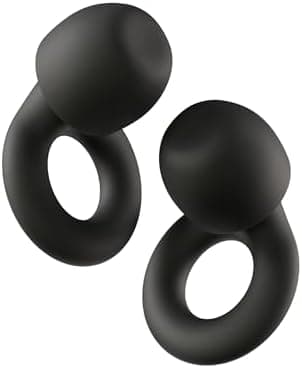
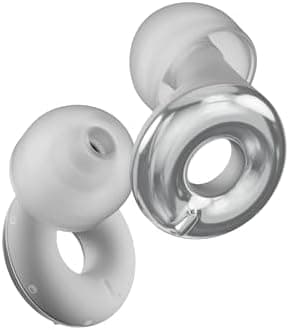
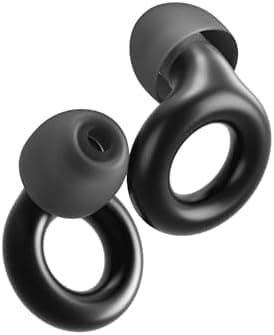
For raw noise blocking, foam wins. Foam plugs from Mack's carry a 33 dB NRR, while the most popular Loop sleep options sit at 24-27 dB (SNR). Specialist subreddit threads consistently note that Loop is more comfortable and reusable but lets more sound through than a properly inserted foam plug. If pure silence is the goal, reviewers point to foam; if you want a comfortable reusable plug for side sleeping and partial sound blocking, Loop is the consensus pick.
What NRR do I actually need for concerts?
Most concert and festival reviewers across the sources we read recommend 15-20 dB of reduction so the music stays clear but safe. Loop Experience 2 (17 dB) is the most cited at this level. Anything in the 30+ dB range (foam) over-attenuates and muddies the music, which is why musicians and live-event reviewers generally avoid foam for concerts even though foam blocks more noise.
Are Loop earplugs worth the price compared to cheap foam?
Reviewers we read split on this. Verified-testing publishers and specialist communities agree Loop is more comfortable, reusable, and better-looking, but lab-based reviewers note Loop's silicone designs trail foam in raw loudness reduction. The verdict is essentially a trade: Loop wins on comfort, repeat-wear, and clarity for live music; foam wins on noise blocking and cost per use.
Which earplugs are best for side sleepers?
Across the reviewers we read, side sleepers consistently flag traditional foam plugs and bulkier Loop models as painful when the ear is pressed against a pillow. Low-profile designs like Loop Dream and Loop Quiet 2 get the most positive side-sleeper mentions, with Loop Dream specifically engineered to sit flush in the ear canal.
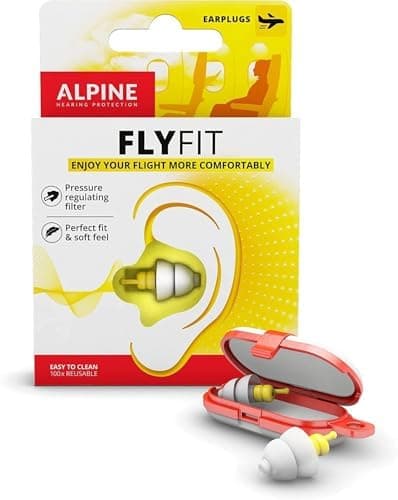
Can earplugs be reused safely?
Silicone and filtered designs (Loop, Alpine, Mack's Pillow Soft) are explicitly reusable, often for months with cleaning. Foam plugs like Mack's Ultra Soft are technically single-use because they trap moisture and bacteria after a wear or two, though many users in community threads admit to stretching them across several nights. Reviewers recommend rotating fresh pairs to avoid ear infections.