
VerdictAI

Independent algorithmic synthesis · 2026

Best Booster Car Seats

Booster car seats sit in an awkward middle ground: they have to fit a growing child correctly today and keep fitting until they pass the 5-step test, all while delivering a good belt fit in your specific vehicle. The picks below synthesize what specialist car-seat communities, independent testing publishers, and verified-purchase reviewers have written about the most-discussed models on the market. Where reviewers disagree, we surface the disagreement rather than smoothing it over.

Sources behind this verdict

50reviewers read

Weighted by source trust

We don’t review products. We read what other reviewers wrote, score each source for trustworthiness, and synthesize the consensus.

How sources are scored →

Trust hierarchy

Trusted3
Verified0
Supporting15
Flagged0

Source mix

50signals
  • 4Press
  • 26Community
  • 20Video

Trusted · 3 sources

Independent · documented methodology

At a glance

RankProductBest forBuyer ratingVerdict scorePriceBuyDetails

Highest-rated by the consensus

#1 of 5
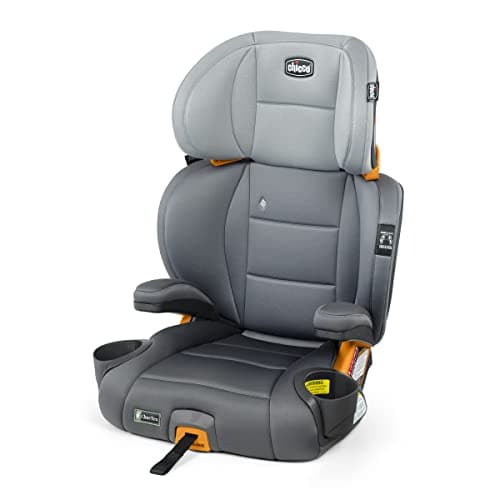
Top pick · #1Chicco KidFit ClearTex Plus 2-in-1 Belt-Positioning Booster Car Seat, Backless and High Back Booster Seat…
Best overall

Chicco KidFit ClearTex Plus 2-in-1 Belt-Positioning Booster Car Seat, Backless and High Back Booster Seat…

Chicco

★★★★★4.7(3,206)89Great

Across the reviewers we read, the Chicco KidFit ClearTex Plus is the most consistently recommended two-stage booster in this pool. csftl.org concludes that it positions the belt correctly, is straightforward to assemble, and includes several small but thoughtful features; nytimes.com lists it as a recommended pick and highlights the high-back-to-backless conversion and minimal assembly.

The rest of the rankings

#2,5

Frequently asked

5 questions
When can my child move from a harnessed seat to a booster?
Across the reviewers we read, the consensus is that boosters are appropriate once a child is at least 4 years old, weighs roughly 40 lb, can sit still for the full ride, and can keep the belt positioned correctly. Specialist subreddit threads in r/CPST repeatedly note that most 4- and 5-year-olds are not yet ready, and harnessing longer is generally safer than rushing the transition.
High-back booster or backless booster — which is safer?
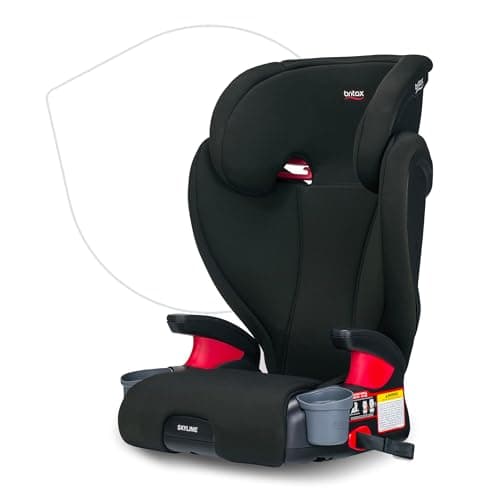
High-trust testing publishers such as consumerreports.org explicitly note that several popular two-stage boosters (including the Britax Skyline and Highpoint) deliver materially better belt fit in high-back mode than as backless. High-back also adds head and side support for sleeping kids. Backless is generally treated as a travel/secondary option once a child reliably maintains good belt position.
Will a booster fit three-across in my back seat?
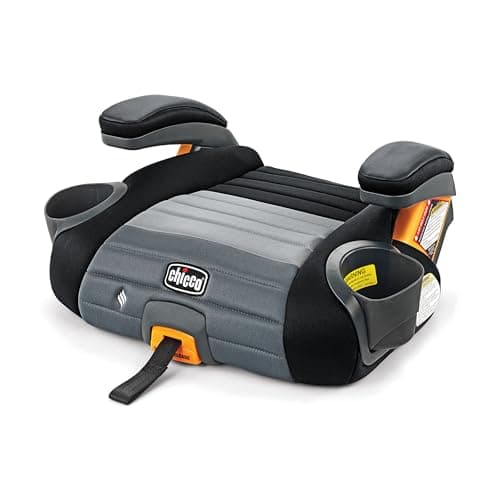
Width varies a lot. Reviewers flag narrow-friendly options like the Chicco GoFit and Graco TurboBooster 2.0 for three-across, while the UPPAbaby Alta V2 and bulkier all-in-ones are harder to triple up. The honest answer from specialist communities is to measure your back seat and, if possible, test the actual seats in your car before committing.
Are LATCH connectors necessary on a booster?
No. Across reviewers we read, LATCH on a booster only secures the empty seat so it doesn't become a projectile — the child is restrained by the vehicle seat belt either way. consumerreports.org specifically notes the Graco TurboBooster 2.0 highback variant ships without LATCH and still performs well overall.
How long will a booster last before my child outgrows it?
Most boosters top out around 100–110 lb and 57 inches, though the Britax Highpoint stretches to a 63-inch standing-height limit per the manufacturer specs surfaced by reviewers. Realistically, specialist communities note that fit-to-child (belt sitting flat on the shoulder and low on the hips) matters more than the printed maximums.