
VerdictAI

Reviewer consensus · 2026

Best Infant Car Seats of 2026What 74 reviewers actually think, trust-weighted

Infant car seats are one of the most safety-critical purchases new parents make, and the consensus across the reviewers we read leans heavily on a handful of long-trusted carriers. This roundup synthesizes independent testing notes, verified-purchase feedback, and specialist-community discussion, weighting high-trust safety resources such as Consumer Reports and the car-seat specialist site csftl.org most heavily. We are summarizing what reviewers across the internet have already concluded rather than testing seats ourselves, and where high-trust sources disagree with retailer hype, we flag it.

Sources behind this verdict

74 reviewers, weighted by source trust

74reviewers read

Weighted by source trust

We don’t review products. We read what other reviewers wrote, score each source for trustworthiness, and synthesize the consensus.

How sources are scored →

At a glance

Compare

Pick any two for a head-to-head

Scores, pros, cons, and our verdict — side by side.

vs

Highest-rated by the consensus

#1 of 7
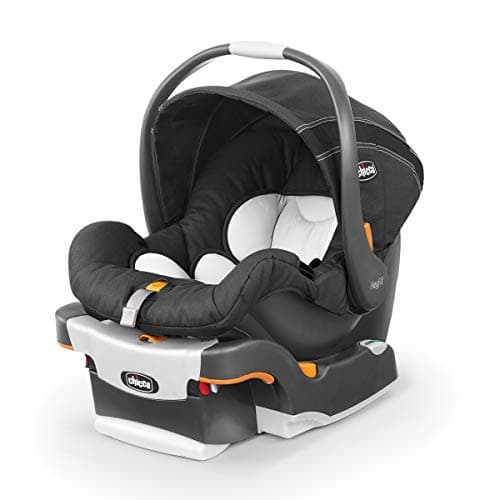
Top pick · #1Chicco KeyFit Infant Car Seat and Base, Rear-Facing Seat for Infants 4-22 lbs., Includes Infant Head and Body…
Best overall

Chicco KeyFit Infant Car Seat and Base, Rear-Facing Seat for Infants 4-22 lbs., Includes Infant Head and Body…

Chicco

★★★★★4.9(4,299)91Excellent

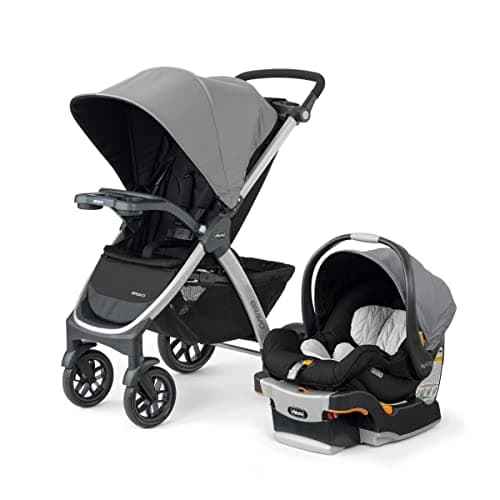
Across the reviewers we read, the Chicco KeyFit is the most consistently recommended infant car seat. Consumer Reports, a high-trust testing source, highlights a very good balance of excellent crash protection, ease of use, and vehicle fit, and singles out the push-on LATCH connectors that make installation straightforward.

The rest of the rankings

#2,7

Frequently asked

5 questions
What is the best infant car seat overall?
Across the reviewers we read, the Chicco KeyFit consistently rises to the top. Consumer Reports cites a very good balance of crash protection, ease of use, and vehicle fit, and csftl.org calls it a solid rear-facing choice across a wide range of situations. Its push-on LATCH connectors and reliable fit for small babies show up repeatedly in both expert and verified-purchase feedback.
How long will my baby use an infant car seat?
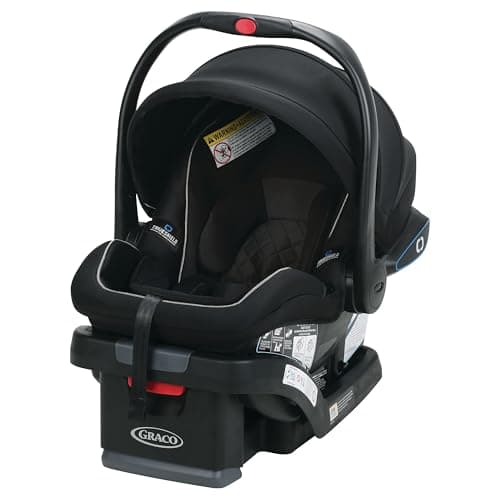
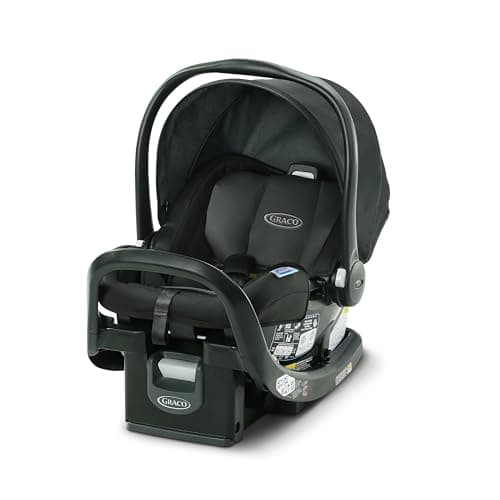
Most infant carriers are rated rear-facing for babies up to roughly 22 to 35 pounds, and reviewers note many babies outgrow them by height before weight. The Chicco KeyFit in this roundup tops out at 22 lbs, while several Graco SnugRide models reach 30 to 35 lbs, so taller or heavier babies may get more months out of the higher-limit seats.
Are expensive infant car seats safer than budget ones?
Specialist communities like r/ScienceBasedParenting repeatedly point out that all U.S. infant car seats must pass the same federal safety standards. The differences reviewers cite are in ease of installation, weight, padding, anti-rebound bars, and recline range rather than baseline crash safety. A correctly installed budget seat is generally considered safer than a poorly installed premium one.
Is the Doona worth the high price?
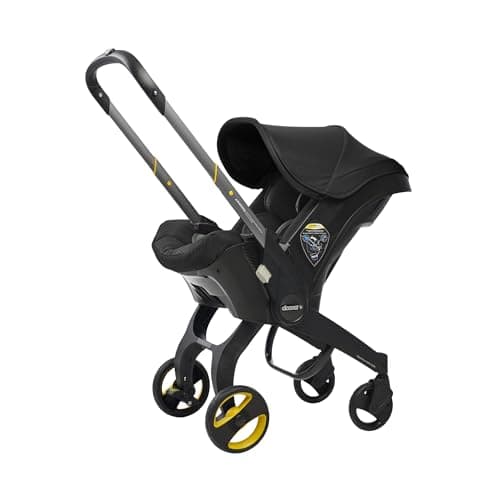
The Doona earns strong love in community threads for travel and quick errands because it converts from car seat to stroller in seconds. However, reviewers across Reddit consistently warn it is heavy to lift in and out of the car and is not a true replacement for a full stroller on long outings, so its value depends heavily on your lifestyle.
What should I prioritize when choosing an infant car seat?
Reviewers and safety specialists emphasize correct fit in your specific vehicle, ease of consistent installation, carrier weight (since you will carry it constantly), and good fit for a newborn's head and neck. Verified-purchase reviewers also value seats that click securely into a compatible stroller for a travel system.