
VerdictAI

Reviewer consensus · 2026

Best Shampoos of 2026What 50 reviewers actually think, trust-weighted

Shampoo is one of the most personal categories in beauty, and the consensus across mainstream tech and beauty press, specialist haircare subreddits, and verified-purchase reviewers rarely lines up cleanly. The picks below synthesize what reviewers across the internet have written about the most-discussed shampoos in the category, weighted toward independent specialist communities and away from flagged or gameable signals. Where high-trust sources disagree with mainstream praise, we surface the conflict rather than smooth it over.

Sources behind this verdict

50 reviewers, weighted by source trust

50reviewers read

Weighted by source trust

We don’t review products. We read what other reviewers wrote, score each source for trustworthiness, and synthesize the consensus.

How sources are scored →

At a glance

Highest-rated by the consensus

#1 of 5

The rest of the rankings

#2,5

Frequently asked

5 questions
Is sulfate-free shampoo actually better for my hair?
Specialist haircare communities like r/HaircareScience repeatedly push back on the idea that sulfates are inherently bad. Sulfate-free formulas are gentler on color-treated and very dry hair and tend to preserve curl pattern, but they also lather less and can leave a film on fine hair. If you have an oily scalp or use a lot of silicone-based stylers, a sulfate shampoo (or periodic clarifying wash) may actually serve you better.
Do anti-thinning shampoos like biotin or DHT-blocker formulas really regrow hair?
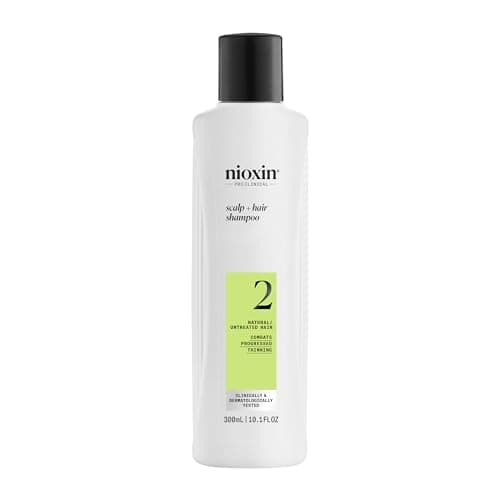
The honest consensus across specialist subreddits is that no shampoo regrows hair the way minoxidil or finasteride can, because contact time on the scalp is too short. What these shampoos can do is reduce breakage, support a healthier scalp environment, and make existing hair look fuller. Reviewers who report visible improvement almost always pair the shampoo with other interventions.
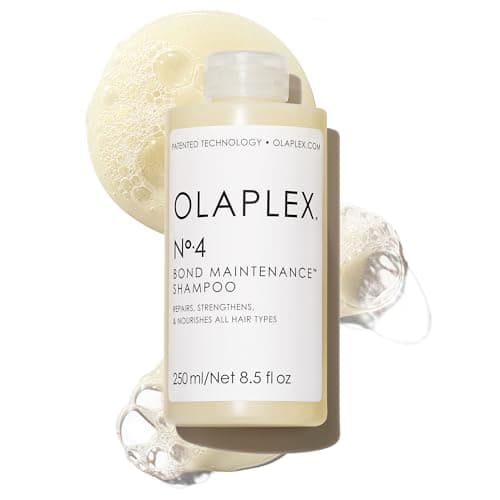
Is Olaplex No. 4 worth $34 if my hair isn't badly damaged?
Reviewers are split. People with chemically processed, bleached, or heat-damaged hair tend to call it transformative, while users with healthy fine hair frequently report it feels too rich, weighs hair down, or over-proteins their strands over time. If your hair is undamaged, a less intensive sulfate-free shampoo is usually a better starting point.
What's the best shampoo for color-treated hair on a budget?
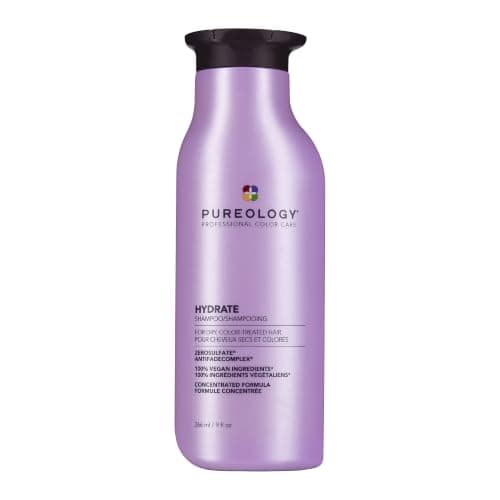
Drugstore sulfate-free options like L'Oreal EverPure and Aveeno's oat milk line come up repeatedly in verified-purchase reviews as solid color-safe picks under $15. Salon brands like Pureology and Olaplex are better-regarded for heavily processed or very dry color-treated hair, but the gap narrows considerably for everyday maintenance.
How do I know if a shampoo is causing my hair loss?
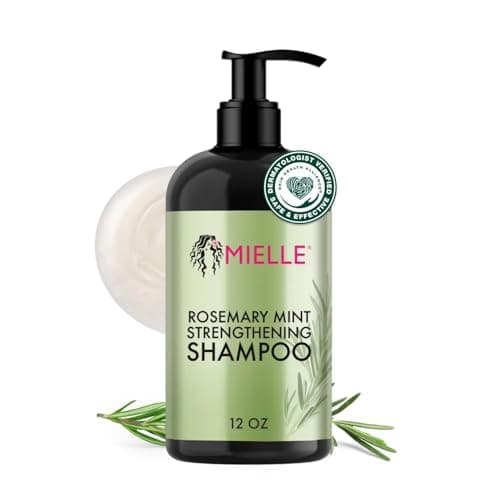
Several products in this category, including Mielle's Rosemary Mint line and Native's Coconut & Vanilla, have user threads alleging shedding, though causation is contested and often confounded with seasonal shedding, stress, or other routine changes. Reviewers across communities generally recommend isolating one variable at a time and giving any new shampoo at least 4–6 weeks before judging.