
VerdictAI

Reviewer consensus · 2026

Best Chemical Sunscreens of 2026What 46 reviewers actually think, trust-weighted

Chemical sunscreens dominate daily-wear SPF rotations for their lightweight feel and lack of white cast, but formula quality varies enormously between Western pharmacy staples and the K-beauty cohort. The picks below are a trust-weighted synthesis of what mainstream tech and beauty press, verified-purchase reviewers, and specialist communities like r/AsianBeauty and r/SkincareAddiction have written about each formula. We are summarizing the consensus across reviewers rather than delivering first-hand testing of our own.

Sources behind this verdict

46 reviewers, weighted by source trust

46reviewers read

Weighted by source trust

We don’t review products. We read what other reviewers wrote, score each source for trustworthiness, and synthesize the consensus.

How sources are scored →

Trust hierarchy

Trusted2
Verified0
Supporting11
Flagged0

Source mix

46signals
  • 30Community
  • 16Video

Trusted · 2 sources

Independent · documented methodology

At a glance

Highest-rated by the consensus

#1 of 5
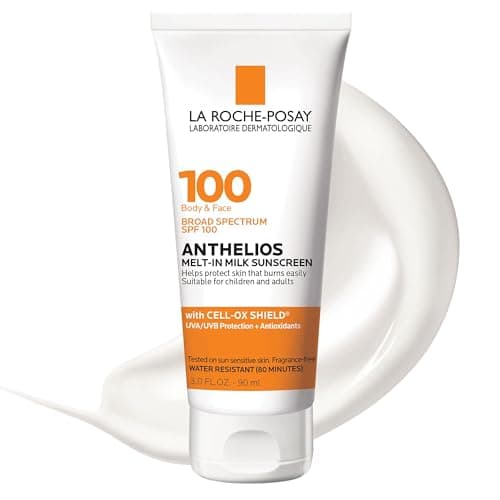
Top pick · #1La Roche-Posay Anthelios Melt-In Milk Sunscreen SPF 100, Sunscreen For Body & Face, Broad Spectrum SPF +…
Best overall

La Roche-Posay Anthelios Melt-In Milk Sunscreen SPF 100, Sunscreen For Body & Face, Broad Spectrum SPF +…

★★★★★4.7(13,483)88Great

Across the reviewers we read, La Roche-Posay's Anthelios Melt-In Milk SPF 100 lands as the most broadly recommended chemical sunscreen in this pool, with a 4.7-star average across more than 13,000 Amazon verified-purchase reviews and consistent endorsement in r/SkincareAddiction threads. A high-trust review thread on r/SkincareAddiction describes a "lovely glowy, slightly luminous finish," and another notes it stings the eyes less than most competitors, a recurring pain point in chemical-sunscreen discussions.

The rest of the rankings

#2,5

Frequently asked

5 questions
Are chemical sunscreens safe to use daily on the face?
Yes. Modern chemical filters used in the formulas covered here (avobenzone, homosalate, octisalate, and in some cases newer filters in Korean products) are FDA-permitted and widely recommended for daily wear by dermatologists cited across the reviews we read. People with very reactive skin sometimes report stinging, so patch-testing on the jawline first is sensible.
What's the difference between Korean chemical sunscreens and Western ones like La Roche-Posay or EltaMD?
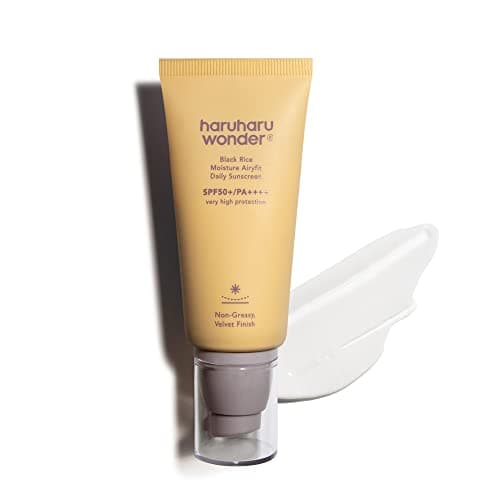
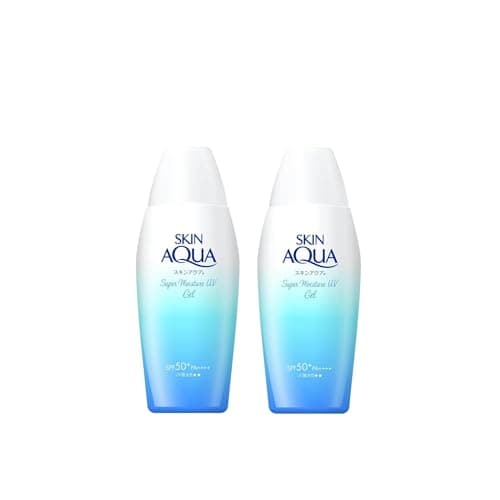
Across the reviewers we read, the consensus is that Korean formulas (Round Lab, SKIN1004, Haruharu, COSRX) tend to feel lighter, more serum-like, and leave no white cast, while Western pharmacy sunscreens like La Roche-Posay Anthelios are denser but often carry stronger water resistance and higher SPF numbers. Korean products in the US market use older FDA-approved filters, which specialist subreddits frequently flag as a tradeoff.
Will a chemical sunscreen break out acne-prone or oily skin?
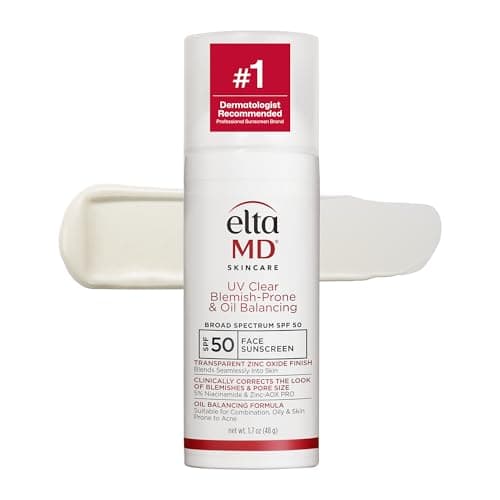
It depends heavily on the formula. La Roche-Posay Anthelios Clear Skin and EltaMD UV Clear are specifically designed for acne-prone skin and praised in r/SkincareAddiction threads, while richer, dewier formulas like La Roche-Posay Melt-In Milk and some Korean cica sunscreens draw mixed reports from oily-skin reviewers.
How much chemical sunscreen do I need to apply for it to actually work at the labeled SPF?
Dermatologists and skincare educators referenced across the reviews recommend roughly two finger-lengths or about a quarter teaspoon for the face alone. Under-applying is the most common reason real-world protection falls short of the labeled SPF, regardless of which product you pick.
Are SPF 50 and SPF 100 chemical sunscreens meaningfully different?
Reviewers and dermatologists cited in coverage of La Roche-Posay Anthelios Melt-In Milk note that the jump from SPF 50 to SPF 100 offers a small absolute increase in UVB blocking but can be useful for very fair or photosensitive skin and for situations where reapplication is unrealistic.