
VerdictAI

Reviewer consensus · 2026

Best Mineral / Physical Sunscreens of 2026What 50 reviewers actually think, trust-weighted

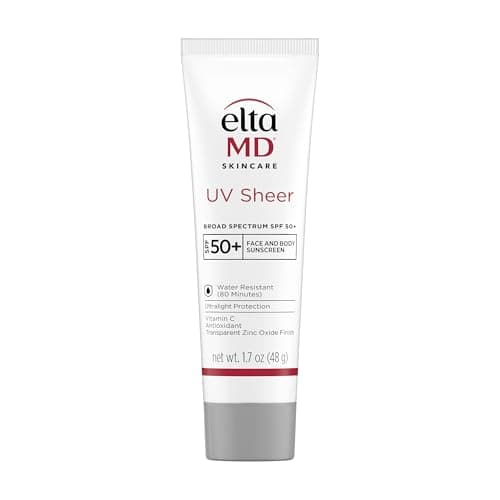
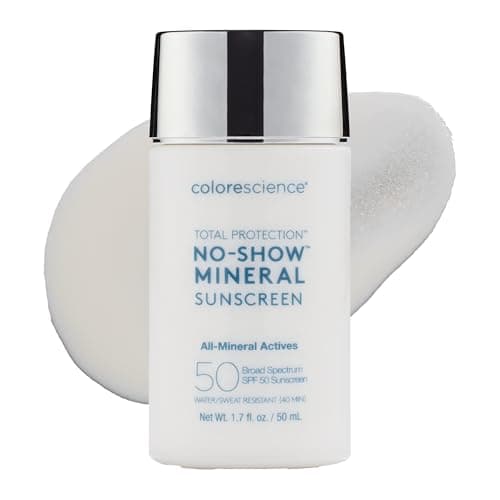
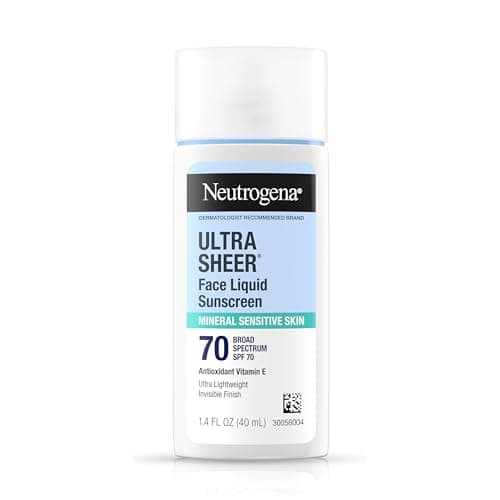
Mineral (physical) sunscreens use zinc oxide and/or titanium dioxide to physically block UV rays, and the category's biggest tradeoffs are well known: white cast, finish, and how the formula behaves under makeup. This roundup synthesizes what verified-purchase reviewers, dermatologist-led YouTube channels, and specialist subreddits like r/SkincareAddiction have said about the most-discussed mineral SPFs on Amazon, weighted by source trust.

Sources behind this verdict

50 reviewers, weighted by source trust

50reviewers read

Weighted by source trust

We don’t review products. We read what other reviewers wrote, score each source for trustworthiness, and synthesize the consensus.

How sources are scored →

At a glance

Highest-rated by the consensus

#1 of 5
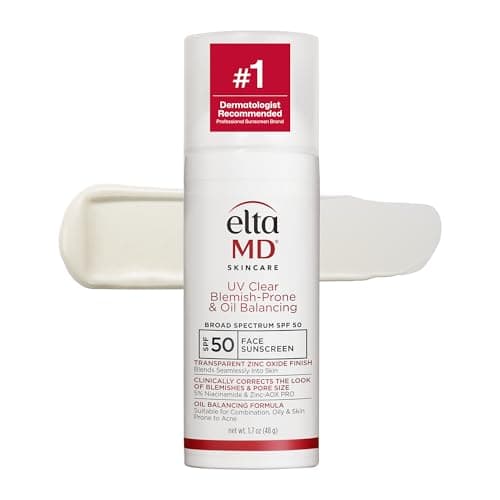
Top pick · #1EltaMD UV Clear Face Sunscreen SPF, Oil-Free Sunscreen with Zinc Oxide, Dermatologist Recommended
Best overall

EltaMD UV Clear Face Sunscreen SPF, Oil-Free Sunscreen with Zinc Oxide, Dermatologist Recommended

EltaMD

★★★★★4.6(47,578)91Excellent

Across the reviewers we read, EltaMD UV Clear is the most consistently recommended face mineral sunscreen on the market, with a near-unique combination of dermatologist endorsement, 47,000+ verified-purchase reviews at a 4.6 average, and multiple high-trust r/SkincareAddiction threads describing it as the rare zinc-based SPF that doesn't trigger acne-prone or sensitive skin. The formula is technically a hybrid (zinc oxide plus a small amount of octinoxate in the original) marketed as mineral-based, something worth flagging since pure-mineral seekers may want the UV Pure or UV Physical instead.

The rest of the rankings

#2,5

Frequently asked

5 questions
Are mineral sunscreens better for sensitive skin than chemical ones?
Across mainstream dermatology coverage and specialist-community consensus, zinc-oxide-based mineral formulas are generally tolerated better by people with rosacea, eczema, and reactive skin because the active sits on top of skin rather than absorbing. That said, fragrance, alcohol, and emollient choices in the inactive ingredients matter just as much, several reviewers in r/Rosacea note reactions even to dermatologist-recommended mineral SPFs.
Why does my mineral sunscreen leave a white cast?
Zinc oxide and titanium dioxide are inherently white pigments. Newer 'invisible' or 'sheer' mineral formulas use micronized or coated particles plus iron-oxide tints to reduce the cast, but verified-purchase reviewers consistently report that the deeper your skin tone, the more likely you'll see some residue with non-tinted versions. Tinted fluids like the La Roche-Posay Anthelios mineral line tend to perform better on medium-to-deep tones.
Is SPF 30 enough, or do I need SPF 50?
SPF 30 blocks roughly 97% of UVB and SPF 50 blocks about 98%, the real-world difference is small assuming you apply enough product. Across reviewers, the more meaningful issue is under-application: most people use far less than the tested 2 mg/cm². Choosing a higher SPF (50+) gives a buffer for that.
Can I wear mineral sunscreen under makeup?
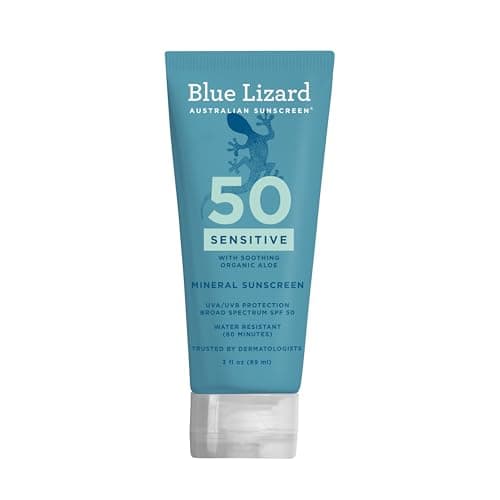
Yes, but finish matters. Fluid/lightweight mineral formulas like EltaMD UV Clear and La Roche-Posay Anthelios are repeatedly singled out by r/SkincareAddiction users as makeup-friendly bases. Thicker zinc-heavy formulas (like the Blue Lizard Sensitive lotion) are flagged for pilling and transfer onto clothing.
What does 'reef-safe' actually mean for a sunscreen?
There's no FDA definition. In practice, reef-safe labeling means the formula avoids oxybenzone and octinoxate, the two filters Hawaii banned. 100% mineral sunscreens using only non-nano zinc oxide and/or titanium dioxide are generally accepted as the safer choice for marine environments, though the science on nano vs. non-nano particles is still debated.