
VerdictAI

Reviewer consensus · 2026

Best Hiking Daypacks of 2026What 50 reviewers actually think, trust-weighted

Hiking daypacks live or die on three things: suspension comfort under a real load, sensible organization, and durability over many trail miles. To build this roundup we synthesized verified-purchase reviews, specialist hiking and backpacking subreddit threads, and independent expert write-ups, weighting high-trust testing sources most heavily and discounting marketing-adjacent praise. The picks below reflect the consensus across reviewers we read, not a single tester's verdict.

Sources behind this verdict

50 reviewers, weighted by source trust

50reviewers read

Weighted by source trust

We don’t review products. We read what other reviewers wrote, score each source for trustworthiness, and synthesize the consensus.

How sources are scored →

At a glance

Highest-rated by the consensus

#1 of 5
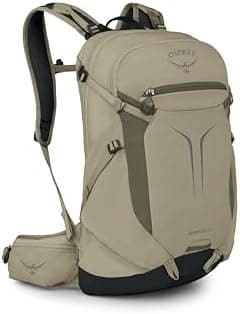
Top pick · #1Osprey Sportlite 25L Lightweight Hiking Backpack for Men and Women, Pine Leaf Green, M/L Bluesign Bluesign…
Best overall

Osprey Sportlite 25L Lightweight Hiking Backpack for Men and Women, Pine Leaf Green, M/L Bluesign Bluesign…

★★★★★4.7(354)86Great

Across the reviewers we read, the Osprey Sportlite 25 emerges as the most well-rounded hiking daypack in this pool. outdoorgearlab.com, the highest-trust expert source for this category, reported that both their male and female testers achieved a comfortable fit thanks to adjustments at the hip, shoulder, and sternum, and a commenter on r/Ultralight echoed that the pack "sits so nicely" they could walk, run, or scramble "forgetting it" was there.

The rest of the rankings

#2,5

Frequently asked

5 questions
What size daypack do I need for hiking?
For most day hikes, 20-25L is the sweet spot: enough room for layers, lunch, 2L of water, and the ten essentials without inviting overpacking. If you carry camera gear, hike in cold weather where you need bulkier layers, or do long all-day routes, step up to 28-35L. Sub-20L packs work for short, summer-weather trails where you mostly need water and a snack.
Is an Osprey daypack worth the extra money over a budget Amazon brand?
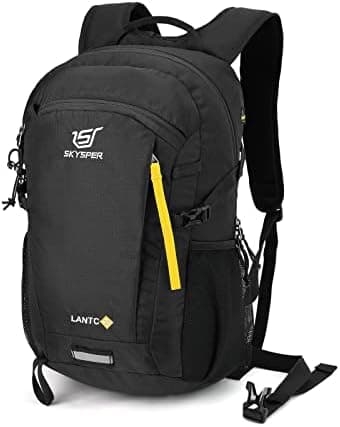
Reviewers consistently flag two things the premium brands do better: load-bearing suspension (a real hip belt that transfers weight off your shoulders) and long-term durability. Budget packs from brands like SKYSPER and Maelstrom score well on value and light-duty use, but specialist-community threads repeatedly note they get uncomfortable as the load grows and the fabrics are less rugged. If you hike often or carry more than ~10 lbs, the upcharge for a structured pack typically pays off.
Do I need a hip belt on a hiking daypack?
For loads under about 10 pounds, a sternum strap alone is usually fine. Once you're carrying water, layers, and food for a full day, a padded hip belt makes a meaningful comfort difference because it shifts weight to your hips. Packable ultralight stuff packs typically skip the hip belt to save weight, which is why reviewers describe them as fine for short side trips but not as a primary daypack.
What's the difference between a hiking daypack and a commuter backpack?
Hiking-focused packs prioritize a ventilated or contoured back panel, a real hip belt, hydration bladder compatibility, and external attachment points for trekking poles or wet gear. Commuter-leaning packs trade some of that for a padded laptop sleeve, structured organization, and a cleaner profile. Several Osprey models blur the line, which is why reviewers note they work for both roles but aren't the lightest or most ventilated trail option.
Are hydration-bladder packs better than using a water bottle?
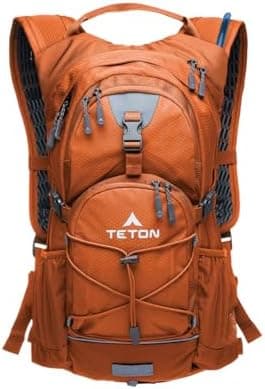
Reviewers are split. Bladders let you sip on the move without stopping, which encourages better hydration on long hikes, and dedicated hydration packs like the TETON build the sleeve and routing in. Downsides cited across communities: bladders are harder to clean, you can't easily see how much water is left, and they add weight. Many hikers compromise by carrying one bottle in a side pocket plus a bladder for longer outings.