
VerdictAI

Reviewer consensus · 2026

Best Multi-Day Backpacking Packs of 2026What 50 reviewers actually think, trust-weighted

Multi-day backpacking packs live or die on fit, suspension, and how well they carry weight for days at a time, and the candidate pool here ranges from a well-reviewed Osprey workhorse to a stack of budget Amazon-direct frames. Across the reviewers we read, the clearest consensus forms around a small number of mid-priced packs that specialist subreddits and at least one high-trust gear-testing publisher actually recommend for overnight and longer trips. The picks below summarize that consensus, with flagged or thin signals discounted accordingly.

Sources behind this verdict

50 reviewers, weighted by source trust

50reviewers read

Weighted by source trust

We don’t review products. We read what other reviewers wrote, score each source for trustworthiness, and synthesize the consensus.

How sources are scored →

At a glance

Highest-rated by the consensus

#1 of 5
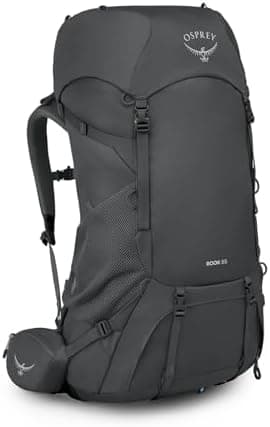
Top pick · #1Osprey Rook 65L Men's Backpacking Backpack, Dark Charcoal/Silver Lining Bluesign Bluesign Bluesign
Best overall

Osprey Rook 65L Men's Backpacking Backpack, Dark Charcoal/Silver Lining Bluesign Bluesign Bluesign

★★★★★4.8(459)84Great

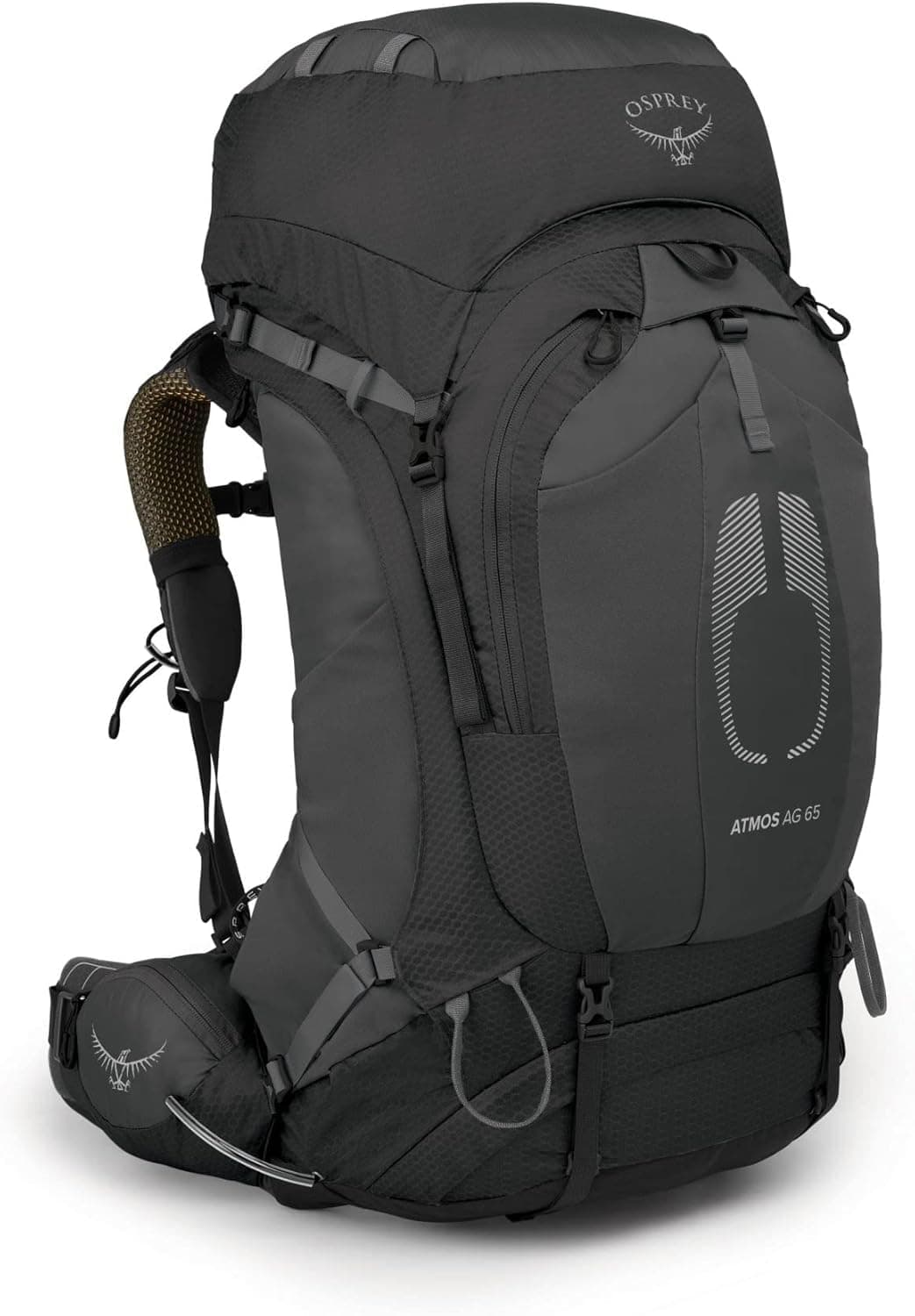
Across the reviewers we read, the Osprey Rook 65L is the clearest consensus pick in this pool for general multi-day backpacking. outdoorgearlab.com, the one high-trust expert source on this candidate, describes it as 'very comfortable' and notes the carry is almost on par with pricier Osprey models - a notable framing given that high-trust publisher's tendency to be conservative on budget-tier picks.

The rest of the rankings

#2,5

Frequently asked

5 questions
What size backpacking pack do I need for multi-day trips?
Across mainstream reviewers and specialist subreddits, 55-65L is the most commonly recommended range for 2-5 night trips with conventional (non-ultralight) gear. 50L can work if your kit is light and compact; 70L+ is generally flagged as overkill that encourages overpacking, with multiple community threads warning that 80-100L bags only carry well when loaded heavily.
Is a sub-$100 backpacking pack worth it, or should I spend more?
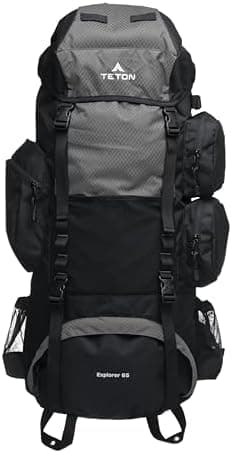
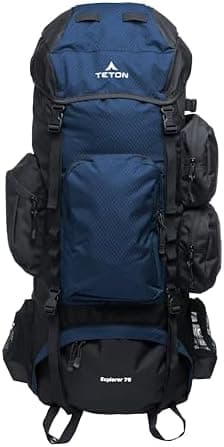
Budget packs from brands like Teton and Naturehike get positive marks from verified-purchase reviewers and specialist communities for occasional and beginner use, with one high-trust gear publisher endorsing the Teton Scout line for affordability. The trade-off cited repeatedly is weight: budget frames tend to run heavier and have less refined hip-belt load transfer than Osprey-tier packs, which matters more as trip length and pack weight increase.
Does torso sizing really matter on a backpacking pack?
Yes - this is one of the most consistent points across reviewers. Specialist subreddits repeatedly warn that packs without proper torso adjustment (or sized only for 'average' torsos) can cause shoulder and back pain on multi-day trips. Most experienced reviewers recommend getting fitted in person or carefully measuring torso length before ordering online.
Are tactical/MOLLE-style packs good for backpacking?
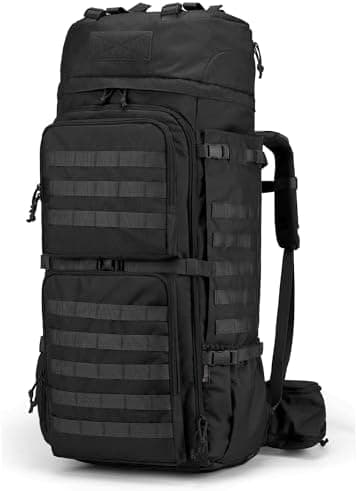
Reviewers we read draw a clear line: MOLLE-heavy 'tactical' packs tend to be more durable but less ergonomic than purpose-built hiking packs. Multiple community comments flag cheap tactical packs as uncomfortable under real trail loads, with one specialist-community thread on a similar product calling them among the most uncomfortable packs the commenter had worn.
Do I need a rain cover included with the pack?
Most budget and mid-range packs in this category bundle one, and verified-purchase reviewers generally treat it as a nice-to-have rather than a deciding factor. Higher-end packs (including the Osprey Rook) often omit the included cover, on the assumption that buyers will pair the pack with a separate cover or pack liner.