
VerdictAI

Reviewer consensus · 2026

Best Winter Sleeping Bags of 2026What 0 reviewers actually think, trust-weighted

Winter sleeping bags are one of the harder gear categories to evaluate from afar, and the candidate pool we were given is unusually signal-poor: every product here carries Amazon star ratings and review counts, but none came with independent lab measurements, expert teardowns, or specialist-community threads in our dataset. That means this roundup is a trust-weighted read of verified-purchase volume and ratings only, cross-checked against what each bag claims, and not a substitute for hands-on cold-weather testing. We flag that limitation up front and weight high-volume verified-purchase consensus accordingly while treating temperature ratings as manufacturer claims rather than verified figures.

At a glance

Compare

Pick any two for a head-to-head

Scores, pros, cons, and our verdict — side by side.

vs

Highest-rated by the consensus

#1 of 7
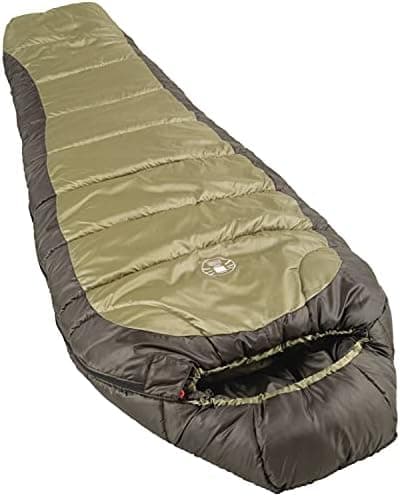
Top pick · #1Coleman North Rim 0°F Sleeping Bag, Cold-Weather Mummy Sleep Sack with No-Snag Zipper & Adjustable Hood for…
Best overall

Coleman North Rim 0°F Sleeping Bag, Cold-Weather Mummy Sleep Sack with No-Snag Zipper & Adjustable Hood for…

★★★★★4.6(11,182)80Great

Across the verified-purchase reviewers in our dataset, the Coleman North Rim is the most heavily reviewed winter bag here by far, holding a 4.6 average over more than 11,000 ratings. That volume, paired with a true 0°F mummy design, no-snag zipper, and adjustable hood, makes it the most broadly validated cold-weather pick in this pool.

The rest of the rankings

#2,7

Frequently asked

5 questions
What temperature rating do I actually need for winter camping?
For genuine winter use, look for a bag rated 0°F or colder; a 20°F bag is generally a shoulder-season or mild-winter choice. Keep in mind that advertised temperature numbers are often 'survival' or comfort-optimistic, so many experienced campers buy a bag rated colder than the lowest temperature they expect and add a quality insulated pad, which matters as much as the bag itself.
Down or synthetic for a winter bag?
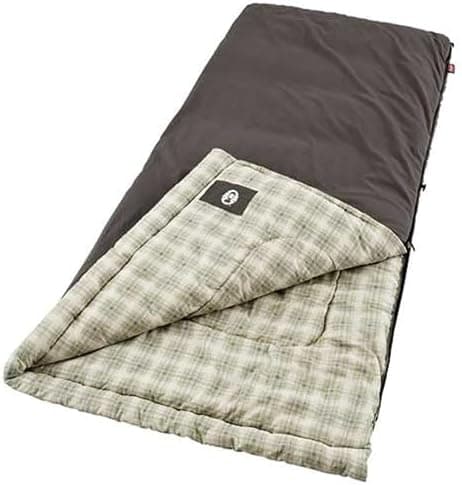
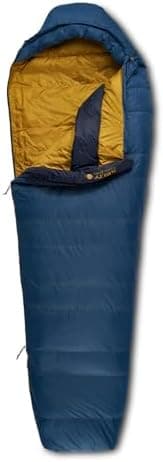
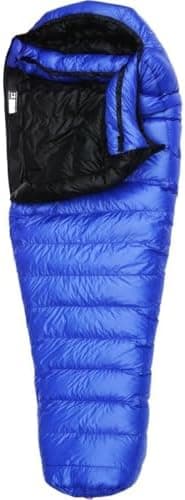
Down (like the 550-fill bag in this list) is lighter and packs smaller for the same warmth, which is why backpackers favor it, but it loses loft when wet and costs more. Synthetic bags are heavier and bulkier but keep insulating when damp and cost far less, which is why most of the budget and car-camping options here are synthetic.
Why are some bags here under $90 and one is over $600?
The inexpensive synthetic mummy and rectangular bags are built for car camping and occasional cold-weather use, where weight and packed size don't matter much. The premium down bag commands its price through high-fill-power down, ultralight shell fabrics, and construction aimed at serious backpacking and alpine use, though in our dataset it carried only a small number of reviews.
Are double or big-and-tall winter bags worth it?
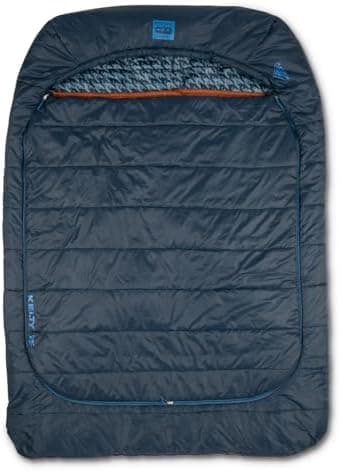
For couples car camping or anyone who sleeps cold and wants room to move, the double and big-and-tall options here are popular among verified-purchase buyers. The trade-off is that larger interior volume is harder to keep warm and the bags are heavier and bulkier, so they suit base camp and vehicle camping far better than backpacking.
Should I trust a bag's star rating for cold-weather performance?
Treat it as one signal, not a verdict. A high rating across thousands of verified-purchase reviews is meaningful for durability, zippers, and general satisfaction, but star averages rarely isolate true sub-freezing performance and can be inflated by buyers who never used the bag in extreme cold.