
VerdictAI

Reviewer consensus · 2026

Best Gravity Water Filters of 2026What 46 reviewers actually think, trust-weighted

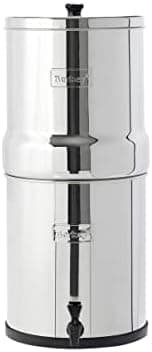
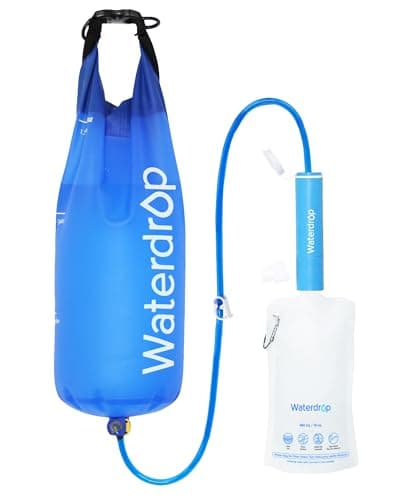
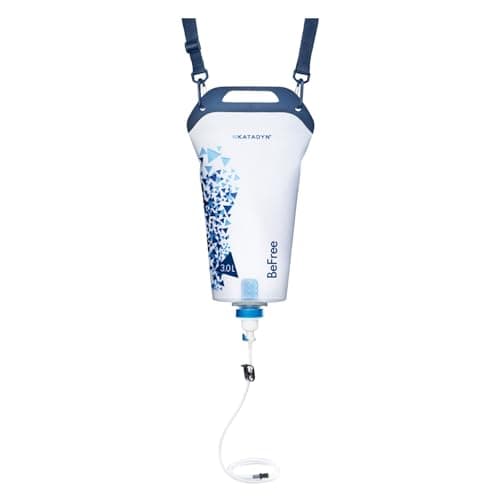
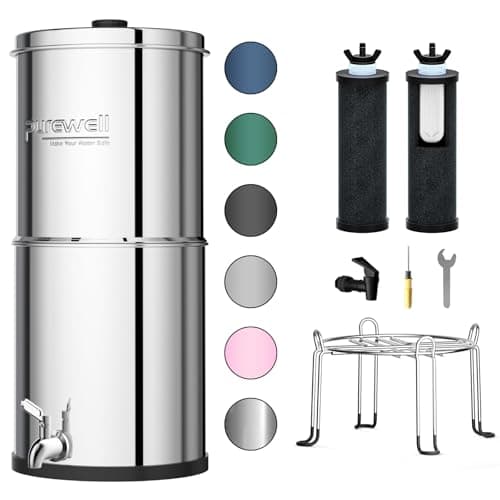
Gravity water filters span a huge range, from sub-pound backpacking systems that hang from a tree branch to 2+ gallon stainless steel countertop tanks meant to live on a kitchen counter. The picks below synthesize trust-weighted consensus from specialist outdoor publications, retailer verified-purchase reviews, and long-running subreddits like r/Ultralight, r/CampingGear, and r/preppers, with conflicting signals surfaced rather than smoothed over. Use it to match a gravity system to your actual use case: trail, basecamp, emergency kit, or daily kitchen.

Sources behind this verdict

46 reviewers, weighted by source trust

46reviewers read

Weighted by source trust

We don’t review products. We read what other reviewers wrote, score each source for trustworthiness, and synthesize the consensus.

How sources are scored →

At a glance

Highest-rated by the consensus

#1 of 5
Top pick · #1Platypus GravityWorks Group Camping Water Filter System
Best overall

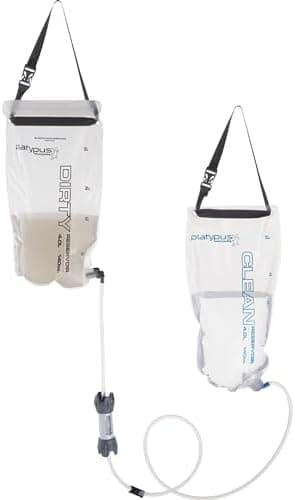
Platypus GravityWorks Group Camping Water Filter System

Platypus

★★★★★4.7(2,252)92Excellent

Across the reviewers we read, this is the default recommendation for a backpacking gravity filter. outdoorgearlab.com calls it fast, easy, hands-free, and well-suited to small groups, and backpackinglight.com describes the system as robust and reliable, delivering clean water at a higher rate and with less effort than mechanical pumps.

The rest of the rankings

#2,5

Frequently asked

5 questions
How long does a gravity water filter take to filter a liter?
For backpacking-style hollow-fiber systems, reviewers across specialist outdoor sites and r/Ultralight typically report well under two minutes per liter when the filter is new and clean. Countertop carbon systems are far slower because they prioritize taste and chemical reduction over throughput, expect tens of minutes per liter and often longer as the carbon elements load up.
Do gravity filters remove viruses, heavy metals, or just bacteria?
Most outdoor gravity filters (hollow-fiber 0.1 or 0.2 micron) are rated for bacteria and protozoa but not viruses, which matters more for international travel than North American backcountry water. Carbon-based countertop systems target chlorine, taste, and some heavy metals, but third-party lab testing surfaced in user communities has shown the actual lead and PFAS reduction varies widely by brand, so check for specific NSF/ANSI 53 certification rather than 42 or 372 alone.
Gravity filter vs squeeze filter for backpacking?
Specialist-subreddit consensus is that squeeze filters (like the Sawyer Squeeze) win on weight and solo speed, while gravity filters win for groups of two or more and for camp use where you can hang the bag and walk away. Several r/Ultralight threads in this dataset specifically call out gravity as the better pick for high-volume or scout-group trips.
How often do you replace the filter cartridge?
Manufacturer claims range from about 1,500 liters for backpacking hollow-fiber cartridges up to several thousand gallons for countertop carbon elements. In practice, reviewers report flow rate drops well before the stated lifespan if you don't back-flush regularly, especially in silty or tannic water.
Are stainless steel countertop gravity filters worth it over a pitcher?
Verified-purchase reviewers consistently report better taste and longer cartridge life than basic pitcher filters, but third-party lab testing referenced by reviewers shows the contaminant-reduction performance varies dramatically between brands. If you specifically need lead or PFAS reduction, look for an NSF 53 certification on the exact cartridge, not just the housing material.