
VerdictAI

Reviewer consensus · 2026

Best Straw / Squeeze Water Filters of 2026What 0 reviewers actually think, trust-weighted

Straw and squeeze water filters are among the most-purchased pieces of backcountry and emergency gear, but the candidate pool here came with sparse independent testing data, so this roundup leans heavily on verified-purchase rating patterns across major retailers rather than lab measurements. Across the listings we read, a few long-established designs dominate the category by review volume and consistency, while several newer multi-packs remain too thinly reviewed to rank confidently. Treat the rankings below as a trust-weighted summary of customer consensus, not a substitute for hands-on lab testing.

At a glance

Compare

Pick any two for a head-to-head

Scores, pros, cons, and our verdict — side by side.

vs

Highest-rated by the consensus

#1 of 6
Top pick · #1Sawyer Squeeze Water Filtration System
Best overall

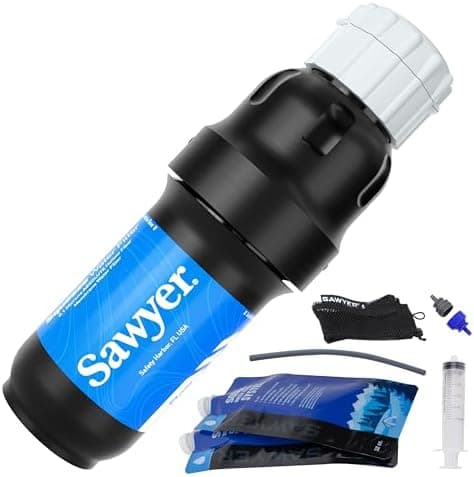
Sawyer Squeeze Water Filtration System

Sawyer

★★★★★4.7(10,428)86Great

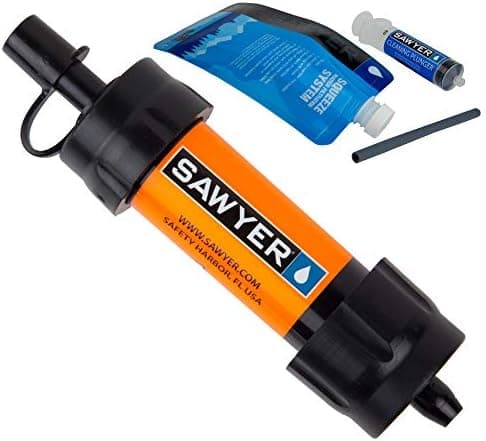
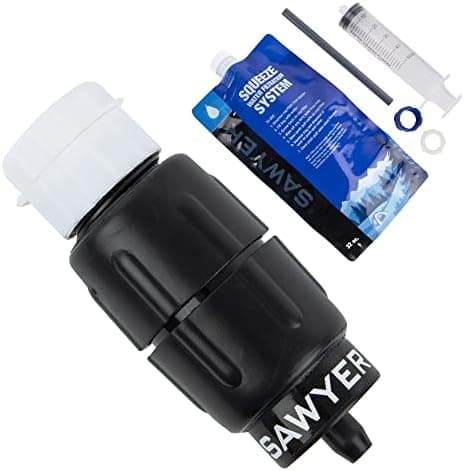
Across the verified-purchase reviewers we read, the Sawyer Squeeze sits at the center of this category, holding a 4.7-star average over more than 10,000 ratings. Customers repeatedly cite its versatility: it can be used inline, screwed onto a pouch, or attached to many standard bottle threads, which is why it shows up so often as the default recommendation in this segment.

The rest of the rankings

#2,6

Frequently asked

5 questions
What's the difference between a straw filter and a squeeze filter?
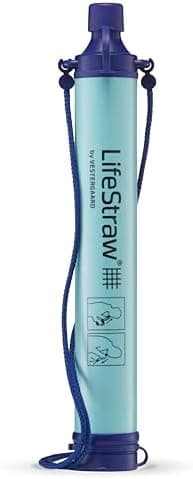
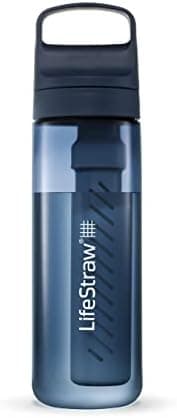
A straw filter is used by sipping directly from the water source or container, while a squeeze filter screws onto a pouch or compatible bottle so you can squeeze filtered water out for drinking or refilling. Squeeze systems like the Sawyer line are generally more versatile for cooking and group use, while straws like the LifeStraw are simplest for solo, drink-as-you-go situations.
Do these filters remove viruses?
Most hollow-fiber straw and squeeze filters in this category are rated to remove bacteria, protozoa, and microplastics down to around 0.1–0.2 microns, but they generally do NOT remove viruses. If you're traveling somewhere with virus-contaminated water, you'll want an additional purification step such as a chemical treatment or UV purifier.
How long do straw and squeeze water filters last?
Lifespan varies widely by model and depends heavily on backflushing and avoiding freezing. Manufacturers advertise filtration capacities ranging from a few hundred to several thousand liters, but real-world longevity depends on water turbidity and maintenance. Verified-purchase reviewers consistently note that regular backflushing restores flow rate and extends usable life.
Can I leave a filter in a vehicle or let it freeze?
No. Hollow-fiber filters can be permanently damaged if water inside them freezes, and the damage is often invisible, meaning the filter may pass contaminated water afterward. This is a recurring caution among reviewers; if a filter has frozen, most owners recommend replacing it rather than risking it.
Is a squeeze filter or a filter bottle better for travel?
A filter bottle is more convenient for everyday travel and casual day hikes because it integrates the filter and container, while a squeeze or straw system is lighter and more adaptable for backpacking and emergency kits. Reviewers note bottles trade some packability and flow rate for grab-and-go simplicity.