
VerdictAI

Reviewer consensus · 2026

Best Wireless Gaming Mice of 2026What 70 reviewers actually think, trust-weighted

Wireless gaming mice now span ultralight esports flagships, feature-packed MMO sleds, and sub-$30 budget workhorses, and the consensus across the reviewers we read is surprisingly clear about which models earn their reputations. This roundup is a trust-weighted synthesis of independent testing labs, specialist communities such as r/MouseReview, and verified-purchase retailer reviews rather than our own hands-on testing. Where high-trust testers and forum owners disagree, we surface the conflict instead of smoothing it over.

Sources behind this verdict

70 reviewers, weighted by source trust

70reviewers read

Weighted by source trust

We don’t review products. We read what other reviewers wrote, score each source for trustworthiness, and synthesize the consensus.

How sources are scored →

At a glance

Compare

Pick any two for a head-to-head

Scores, pros, cons, and our verdict — side by side.

vs

Highest-rated by the consensus

#1 of 7
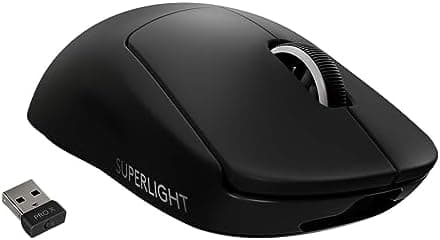
Top pick · #1Logitech G PRO X Superlight 2 Wireless Gaming Mouse, 60g Pro-Grade with 5 Programmable Buttons, 44k DPI…
Best overall

Logitech G PRO X Superlight 2 Wireless Gaming Mouse, 60g Pro-Grade with 5 Programmable Buttons, 44k DPI…

★★★★★4.6(2,862)90Excellent

Across the reviewers we read, the Logitech G Pro X Superlight 2 is the most consistently recommended all-around wireless gaming mouse. RTINGS, a high-trust testing source, calls it an 'outstanding FPS gaming mouse' with impressive build quality and very low weight, while tomshardware.com (a verified-tier publisher with disclosed methodology) frames it as a measured refinement of the original Superlight rather than a revolution.

The rest of the rankings

#2,7

Frequently asked

5 questions
What is the best wireless gaming mouse for competitive FPS?
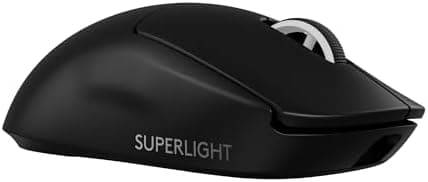
Across high-trust testers, the Logitech G Pro X Superlight 2 and Razer Viper V3 Pro are the two most consistently praised picks for FPS. RTINGS calls both 'outstanding FPS gaming' mice, and r/MouseReview threads repeatedly describe their shapes, clicks, and sensors as top-tier. Both are sub-60g and built around competitive play, so the choice usually comes down to whether you prefer Logitech's hump or Razer's flatter symmetrical shape.
Are expensive wireless gaming mice worth it over a budget model like the G305?
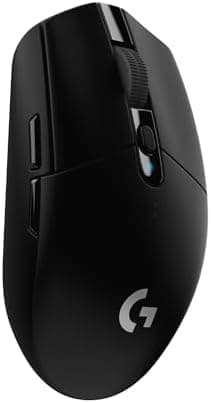
It depends on weight and feel priorities. RTINGS rates the ~$30 Logitech G305 a 'good mouse for FPS gaming' with great click latency, and budget-focused communities call it hard to beat for the price. The trade-off, flagged repeatedly on r/MouseReview, is weight (it runs heavier and uses a single AA) versus the sub-60g rechargeable flagships. If you don't need ultralight competitive performance, the savings are real.
Do wireless gaming mice have noticeable latency compared to wired?
According to the high-trust testers in our sources, modern flagship wireless mice are effectively indistinguishable from wired for the vast majority of players. RTINGS specifically highlights 'remarkably low latency' and snappy sensor performance on the current Razer and Logitech models. The bigger real-world differences cited by reviewers are weight, battery life, and shape rather than wireless lag.
Which wireless mouse is best if I have large hands or use a palm grip?
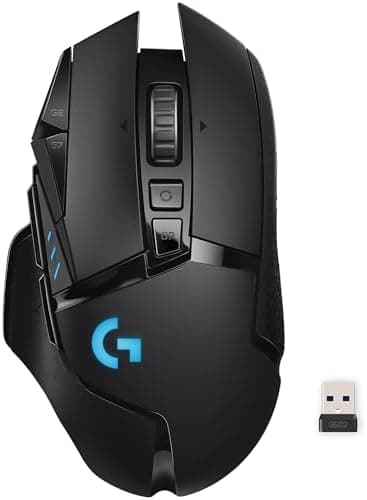
Reviewers point ergonomic palm-grip users toward larger-bodied wireless mice like the Logitech G703 and the G502 family, which RTINGS describes as well-built and comfortable for long sessions. The ultralight esports mice (Superlight 2, Viper V3 Pro) suit a wide range of hand sizes but skew toward claw and fingertip grips in community feedback.
Why do some reviewers complain about Logitech scroll wheels and double-clicking?
It's a recurring theme in the high-trust community threads we read. r/MouseReview and r/LogitechG posts on the G502 line and the Superlight 2 cite eventual double-click issues and a disappointing scroll wheel on some units. These complaints coexist with strong overall ratings, so reviewers treat them as quality-control variance rather than universal defects.