
VerdictAI

Reviewer consensus · 2026

Best Reptile Heat Lamps of 2026What 58 reviewers actually think, trust-weighted

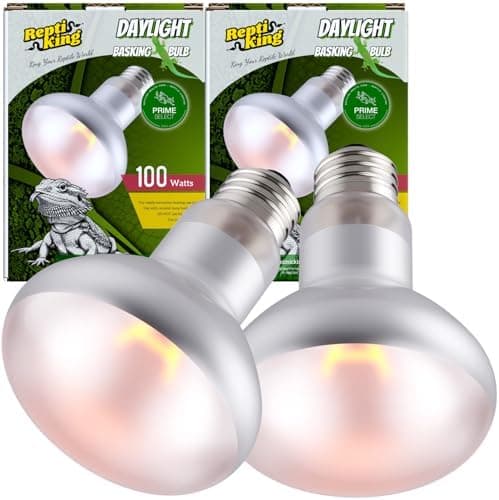
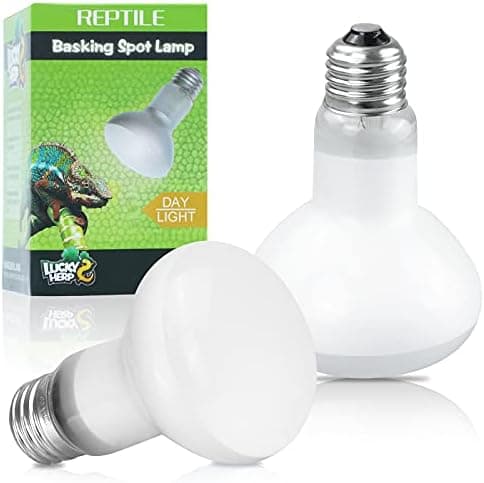
Reptile heat lamps span several distinct categories, ceramic heat emitters, daylight basking bulbs, all-in-one fixtures, and thermostat-controlled domes, so the right pick depends heavily on the species and enclosure you're heating. This roundup synthesizes verified-purchase reviews from Amazon, Walmart and PetSmart alongside specialist-community discussion in subreddits like r/reptiles, r/BeardedDragons and r/CrestedGecko, rather than delivering hands-on testing of our own. A recurring theme across the higher-trust communities is worth flagging up front: most of these budget house-brand bulbs heat fine, but their UVA/UVB marketing claims are not independently verified, and longevity varies widely.

Sources behind this verdict

58 reviewers, weighted by source trust

58reviewers read

Weighted by source trust

We don’t review products. We read what other reviewers wrote, score each source for trustworthiness, and synthesize the consensus.

How sources are scored →

Trust hierarchy

Trusted1
Verified0
Supporting14
Flagged0

Source mix

58signals
  • 33Community
  • 25Video

Trusted · 1 source

Independent · documented methodology

At a glance

Compare

Pick any two for a head-to-head

Scores, pros, cons, and our verdict — side by side.

vs

Highest-rated by the consensus

#1 of 7
Top pick · #1Fluker's Repta-Clamp Lamp, Heavy Duty Clamp Light For Reptile Tanks and Terrariums, UL/CUL Approved, Great…
Best overall

Fluker's Repta-Clamp Lamp, Heavy Duty Clamp Light For Reptile Tanks and Terrariums, UL/CUL Approved, Great…

Fluker's

★★★★★4.6(8,708)86Great

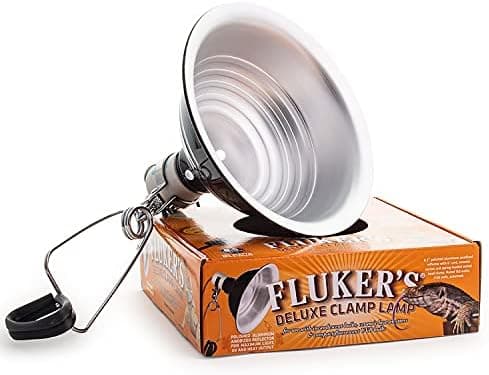
Across the reviewers we read, Fluker's Repta-Clamp Lamp is the most broadly validated heating accessory in this category, carrying roughly 8,708 Amazon ratings at 4.6 stars alongside positive verified-purchase reviews on Walmart, where buyers single out the on/off switch and dimmable variants for making temperature control easier. Its standout differentiator is the UL/CUL safety listing, a meaningful signal in a category where specialist communities frequently warn about overheating and electrical hazards from uncertified clamp lamps.

The rest of the rankings

#2,7

Frequently asked

5 questions
Do I need a ceramic heat emitter or a basking bulb?
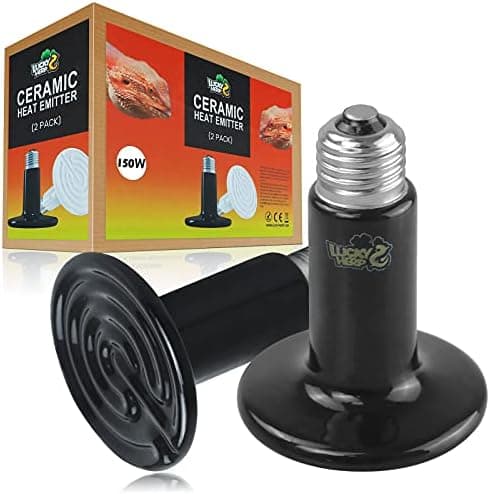
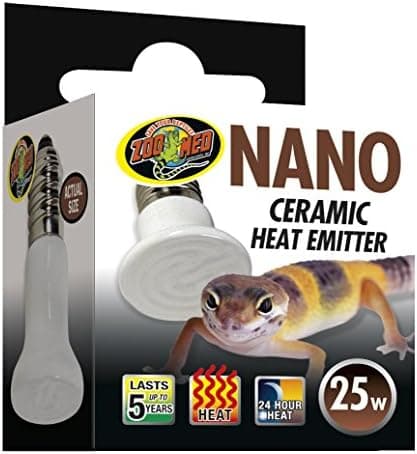
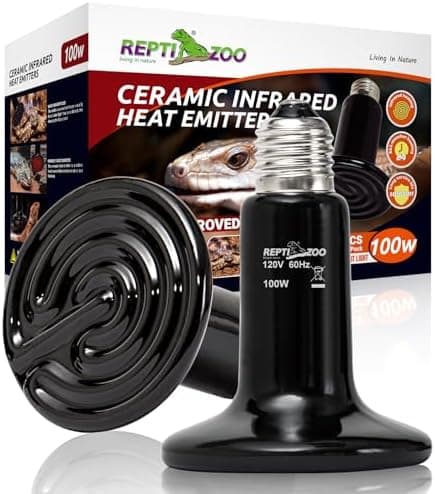
Across the reviewers we read, the rule of thumb is that ceramic heat emitters produce heat without light, making them suited to nighttime warmth or species that need 24-hour ambient heat, while basking bulbs combine visible light and heat to create a daytime basking spot. Many keepers in r/reptiles run a basking bulb on a day cycle and a ceramic emitter at night to avoid disrupting day/night rhythms.
Are the UVA/UVB claims on cheap reptile heat bulbs trustworthy?
Generally no. A recurring point in specialist communities and reptile-lighting groups is that heat output from these budget bulbs is fine, but their UVB claims are not independently verified by the testing groups keepers rely on. For genuine UVB, most experienced keepers recommend a dedicated, verified UVB tube rather than relying on an all-in-one basking or LED bulb.
How long do reptile heat bulbs actually last?
It varies sharply by type. Verified-purchase reviewers and community testers report incandescent basking bulbs often burning out in roughly 1,000 hours or less, while ceramic heat emitters are marketed at up to 10,000 hours and tend to last far longer in real-world use. Keepers consistently advise keeping a spare on hand regardless of brand.
Do I need a thermostat with a reptile heat lamp?
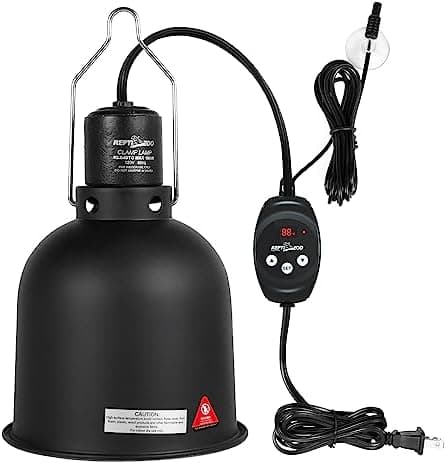
Strongly recommended. Across the reviewers we read, an unregulated heat source is the most common cause of dangerous overheating or burns. A dimming thermostat (either built into a fixture or as a separate inline unit) holds the basking surface in a safe range, and community threads repeatedly stress matching wattage to enclosure size and verifying temperatures with a probe thermometer.
What size dome or fixture do I need?
Specialist threads in r/reptiles and r/ballpython note that 5.5-inch domes are typically rated only to 100W and can struggle to heat larger enclosures evenly, producing a too-hot pinpoint hotspot with low ambient temps. For bigger tanks, keepers recommend wider fixtures and confirming the socket's wattage rating before installing a high-wattage bulb.