
VerdictAI

Independent algorithmic synthesis · 2026

Best Compression Socks

Compression socks are a crowded category on Amazon, with 15-20 mmHg multipacks dominating the bestseller list and a handful of higher-compression and athletic-focused options competing on technical features. The picks below synthesize what mainstream tech and lifestyle press, specialist subreddits (nursing, travel, POTS, running), and verified-purchase reviewers have said about the most-reviewed contenders — not our own testing. Where high-tier sources like Consumer Reports declined to endorse the Amazon-native brands directly, we say so.

Sources behind this verdict

23 reviewers, weighted by source trust

23reviewers read

Weighted by source trust

We don’t review products. We read what other reviewers wrote, score each source for trustworthiness, and synthesize the consensus.

How sources are scored →

Trust hierarchy

Trusted1
Verified0
Supporting12
Flagged0

Source mix

23signals
  • 2Press
  • 13Community
  • 8Video

Trusted · 1 source

Independent · documented methodology

At a glance

Highest-rated by the consensus

#1 of 5
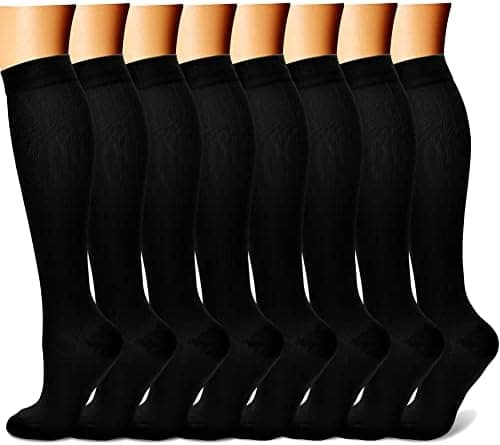
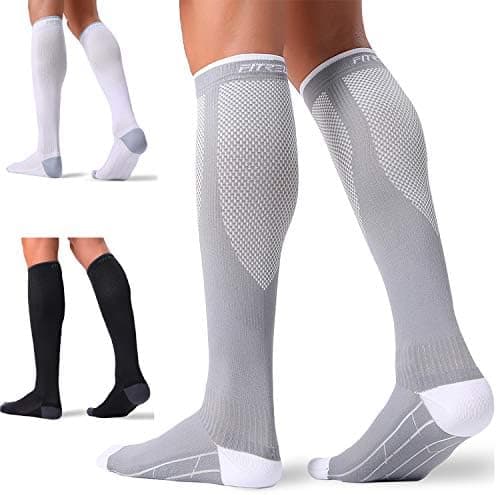
Top pick · #1CHARMKING Compression Socks for Women & Men Circulation (8 Pairs) 15-20 mmHg is Best Support for Athletic…
Best overall

CHARMKING Compression Socks for Women & Men Circulation (8 Pairs) 15-20 mmHg is Best Support for Athletic…

CHARMKING

★★★★★4.5(88,500)82Great

Across the reviewers we read, CHARMKING is the default Amazon pick in the 15-20 mmHg category — it shows up by name in nursing, travel, and one-bag travel subreddit threads more often than any other brand here. Verified-purchase reviewers consistently praise the comfort and the price-per-pair math on the 8-pack, and an r/travel thread specifically about long-flight compression socks names them as a budget choice that delivered on a trip.

The rest of the rankings

#2,5

Frequently asked

5 questions
What compression level (mmHg) should I buy?
Most reviewers and clinicians cited in the sources we read recommend 15-20 mmHg for everyday wear, travel, and athletic use — it's mild enough to put on without a struggle. 20-30 mmHg is generally framed as a medical-grade range for circulation issues, varicose veins, or post-surgery support, and Reddit threads in r/POTS note these are often used for orthostatic intolerance. Above 30 mmHg typically requires a prescription.
Are copper-infused compression socks actually better?
The signal is mixed. Verified-purchase reviewers and lifestyle press tend to repeat manufacturer claims about odor control and circulation, but community threads on Reddit (notably r/ProductQuery) flag that the copper marketing is largely unproven — the compression itself is doing the work, not the copper. Treat the copper claim as a nice-to-have, not a buying reason.
Do compression socks help on long flights?
This is the most common use case across the reviewers we read. Consumer Reports specifically frames long flights as a key question in its compression sock coverage, and r/travel discussion threads include first-hand reports of reduced swelling. For flights, 15-20 mmHg knee-highs are the typical recommendation.
Will Amazon compression socks roll down or cut off circulation?
This is the single most common complaint across verified-purchase reviewers and nursing subreddits. Wide top-bands help, but reviewers with larger calves consistently note that the listed size charts run small. Sizing up is the most-repeated advice.
How many pairs do I actually need?
For all-day standing work or nursing shifts, reviewers in r/Nurse and r/StudentNurse generally suggest at least 3-5 pairs so you can rotate while others are in the wash. The 6- and 8-pair Amazon multipacks exist for exactly this reason.