
VerdictAI

Reviewer consensus · 2026

Best Golf Balls of 2026What 80 reviewers actually think, trust-weighted

Golf ball reviews are unusually well-served by independent testing, and the consensus we synthesized leans heavily on lab-style data from sources like mygolfspy.com alongside specialist forum threads at forum.mygolfspy.com and the r/golf community. Across the reviewers we read, the picture is clear: a small group of urethane tour balls dominate the premium tier while a handful of low-compression and value options earn their keep for slower swings and budget-minded players. This roundup summarizes that trust-weighted consensus rather than delivering our own on-course verdict.

Sources behind this verdict

80 reviewers, weighted by source trust

80reviewers read

Weighted by source trust

We don’t review products. We read what other reviewers wrote, score each source for trustworthiness, and synthesize the consensus.

How sources are scored →

At a glance

Compare

Pick any two for a head-to-head

Scores, pros, cons, and our verdict — side by side.

vs

Highest-rated by the consensus

#1 of 8
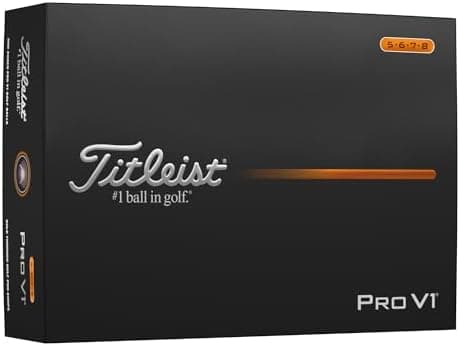
Top pick · #1Titleist Pro V1 Golf Balls
Best overall (Pro V1 class)

Titleist Pro V1 Golf Balls

★★★★★4.8(2,350)96Excellent

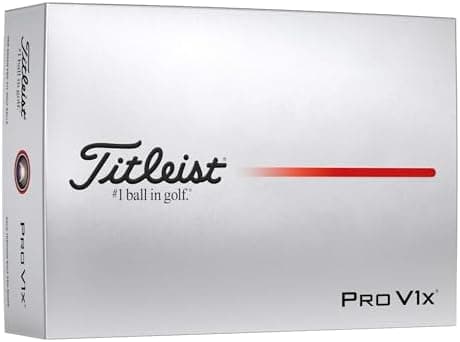
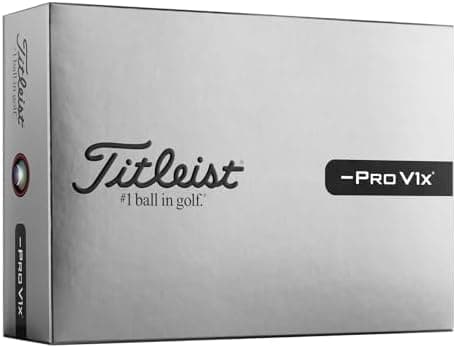
Across the reviewers we read, the Titleist Pro V1 is the reference point the entire category is measured against. mygolfspy.com's lab assessment gave it an overall grade of 97, described as the highest they had recorded with an 'Excellent' rating, and todays-golfer.com and nationalclubgolfer.com both frame it as an extremely versatile ball with brilliant distance off the tee and standout short-game control.

The rest of the rankings

#2,8

Frequently asked

5 questions
Are premium golf balls like the Pro V1 worth it for average golfers?
The consensus across the reviewers we read is that premium urethane balls deliver measurable greenside spin and feel benefits, but specialist-community threads on r/golf repeatedly note that high handicappers who lose several balls per round may be better served by a low-compression or value ball. The performance gap matters most for players who can consistently find their ball and who score well enough to benefit from added short-game control.
What is the best golf ball for slow swing speeds?
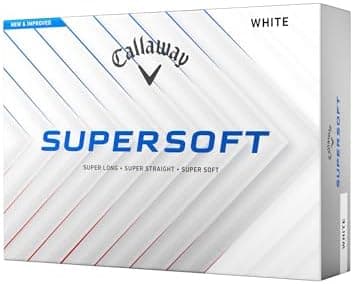
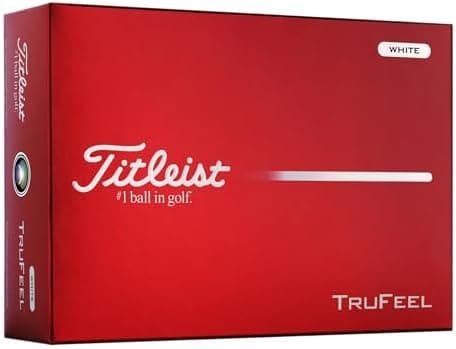
Low-compression options come up most often. mygolfspy.com describes the Callaway Supersoft as behaving like a true modern low-compression ball, and Titleist TruFeel earns consistent praise in forum.mygolfspy.com testing for distance and durability at a value price. Both are widely recommended for moderate-to-slow swing speeds where firmer tour balls are harder to compress.
Is it safe to buy used or refurbished golf balls?
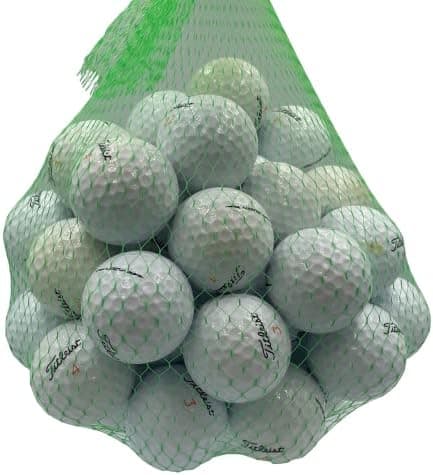
Reviewers draw a sharp line here. Specialist forum and r/golf consensus is that genuinely used 'mint' or recycled balls (like graded Golf Ball Planet stock) can play close to new, but refurbished/refinished balls are widely criticized as repainted, lower-quality, and prone to peeling. Stick to mint/used grades and avoid anything labeled refurbished.
What is the difference between the Pro V1 and Pro V1x?
Across the reviewers and r/golf threads we read, the Pro V1 flies lower with a softer feel and lower long-game spin, while the Pro V1x is firmer, launches higher, and spins more. mygolfspy.com lab data pegs the Pro V1x at roughly 96 compression. Most amateurs report they 'notice little' difference, so fitting to launch and trajectory preference matters more than handicap.
How much should I spend on golf balls?
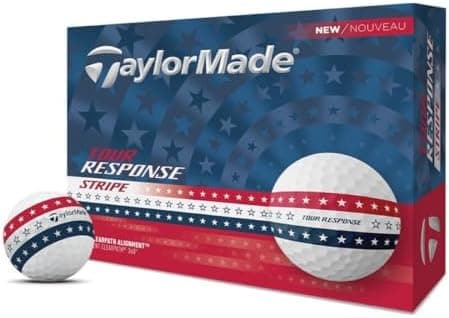
Reviewers consistently frame it as a tradeoff between performance and how many balls you lose. Premium tour balls run around $55-58 a dozen, mid-tier urethane like TaylorMade Tour Response sits near $28, and value two-piece balls or graded used balls land in the mid-$20s. The community consensus is to match spend to skill and ball-loss rate rather than always buying the most expensive option.