
VerdictAI

Reviewer consensus · 2026

Best Drill Presses of 2026What 58 reviewers actually think, trust-weighted

Drill presses range from sub-$100 benchtop models for hobbyists to four-figure cast-iron floor machines built for production shops, and the reviewers we read rarely agree on a single "best" because the right pick depends heavily on whether you're drilling wood, metal, or both. This roundup is a trust-weighted synthesis of what independent testers, verified-purchase buyers, and specialist woodworking and tool communities have published across the web, with the most weight given to high-trust expert and community sources and Amazon star ratings treated as a signal rather than a verdict. Where high-trust sources contradict marketing claims or thin retailer ratings, we surface the disagreement rather than smooth it over.

Sources behind this verdict

58 reviewers, weighted by source trust

At a glance

Compare

Pick any two for a head-to-head

Scores, pros, cons, and our verdict — side by side.

vs

Highest-rated by the consensus

#1 of 7
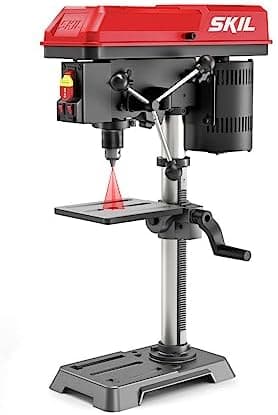
Top pick · #1SKIL 6.2 Amp 10 In. 5-Speed Benchtop Drill Press with Laser Alignment & Work Light - DP9505-00
Best overall

SKIL 6.2 Amp 10 In. 5-Speed Benchtop Drill Press with Laser Alignment & Work Light - DP9505-00

★★★★★4.3(503)84Great

Across the reviewers we read, the SKIL DP9505 lands as the best-rounded benchtop for the money. The high-trust expert outlet protoolreviews.com framed it as 'a great option for serious DIYers and woodworking hobbyists with a keen eye for value,' and that value angle is echoed in retailer listings on amazon.com and lowes.com that highlight the induction motor, five-speed range (610–2800 RPM), laser alignment, and LED work light.

The rest of the rankings

#2,7

Frequently asked

5 questions
Benchtop or floor-standing drill press — which should I buy?
Across the reviewers we read, benchtop models (8–12 inch) are the consensus choice for hobbyist woodworking, DIY, and limited shop space, while floor-standing models earn their keep when you need greater spindle travel, more swing, and the rigidity for repeatable metal drilling. Specialist communities note that floor presses cost considerably more and that the value is largely 'in the motor' and overall mass, so if you only do occasional light work a quality benchtop is usually enough.
Do I need variable speed?
Reviewers consistently flag that lower RPM is what lets you drill metal cleanly, so variable-speed or low-end step-pulley ranges matter most if you work in steel or aluminum. For wood-only work, several community members note that fixed multi-speed models are perfectly adequate and cheaper; the convenience of dial-style variable speed is real but not essential.
Are JET drill presses worth the premium over budget brands?
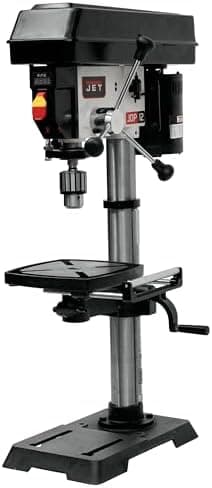
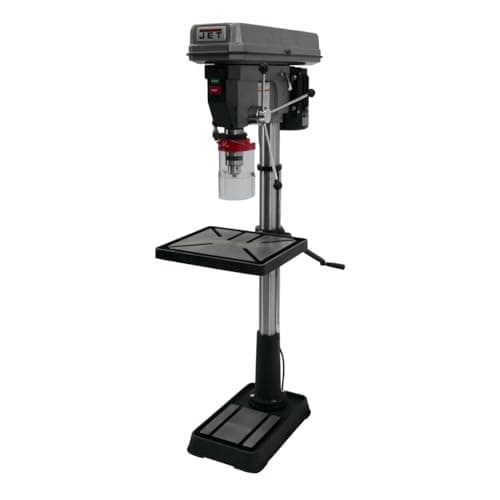
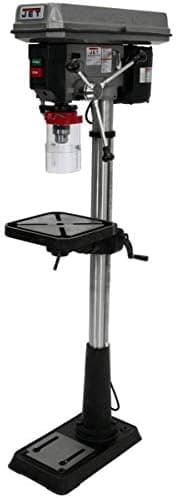
It's genuinely contested. High-trust tool-community threads describe JET as 'on the higher end in terms of quality' with strong warranties, but other equally high-trust posts call some floor models 'comically expensive' and 'meh for accuracy,' and several owners report spindle-tolerance and table-flatness issues on certain production runs. The synthesis: JET buys you mass, support, and resale value, not necessarily better out-of-the-box precision than a well-set-up budget machine.
What's the best cheap drill press for a beginner?
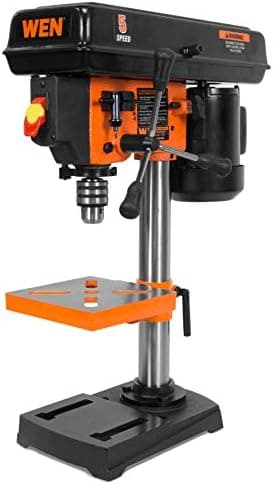
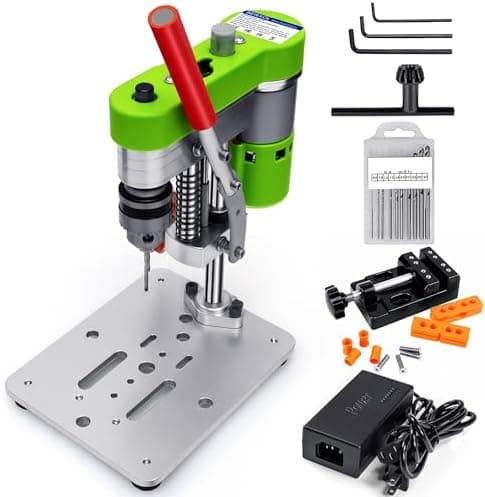
The WEN 8-inch benchtop is the recurring budget recommendation across the communities we read, with a high-trust owner reporting 8-plus years of service. Mini bench drills are cheaper still but reviewers warn they lack torque for anything beyond small bits and light hobby work.
Why does table flatness and runout matter on a drill press?
Verified-purchase and forum reviewers repeatedly call out tables that aren't square and spindle 'roll-out' (runout) as the main accuracy complaints. A table that isn't flat or square makes square, repeatable holes hard, and excess runout shows up as wandering bits — both are worth checking on arrival regardless of brand or price.