
VerdictAI

Independent algorithmic synthesis · 2026

Best Cordless Wood Routers

Cordless wood routers have matured into legitimate alternatives to corded trim routers, with brushless motors closing most of the power gap while adding the obvious benefit of no cord to snag on a workpiece. This roundup synthesizes expert testing, specialist subreddit threads, and verified-purchase reviews across the major battery platforms to surface which cordless routers reviewers actually recommend. We focused on tools where reviewers had real time on them and excluded corded combo kits that appeared in the candidate pool.

Sources behind this verdict

49 reviewers, weighted by source trust

49reviewers read

Weighted by source trust

We don’t review products. We read what other reviewers wrote, score each source for trustworthiness, and synthesize the consensus.

How sources are scored →

Trust hierarchy

Trusted3
Verified0
Supporting16
Flagged0

Source mix

49signals
  • 29Community
  • 20Video

Trusted · 3 sources

Independent · documented methodology

At a glance

Highest-rated by the consensus

#1 of 5
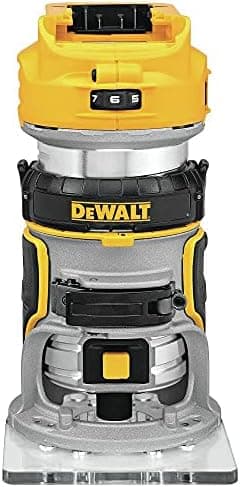
Top pick · #1DEWALT 20V Max XR Cordless Router, Brushless, Tool Only (DCW600B)
Best overall

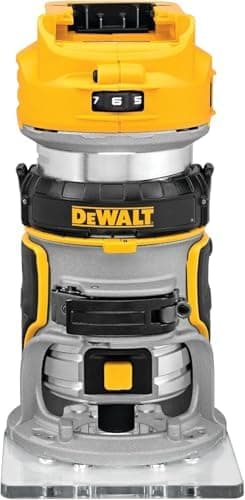
DEWALT 20V Max XR Cordless Router, Brushless, Tool Only (DCW600B)

★★★★★4.8(10,300)91Excellent

Across the reviewers we read, the DeWalt DCW600B is the most consistently recommended cordless wood router on the market. protoolreviews.com calls out its excellent visibility, strong power under load, fast bit-stop on shutoff, and a single-ring depth adjustment system that testers preferred to most competitors; danmadewoodworking ranks it tied for fastest in their hardwood test group and praises the large D-shaped base for stability.

The rest of the rankings

#2,5

Frequently asked

5 questions
Are cordless routers powerful enough for real woodworking?
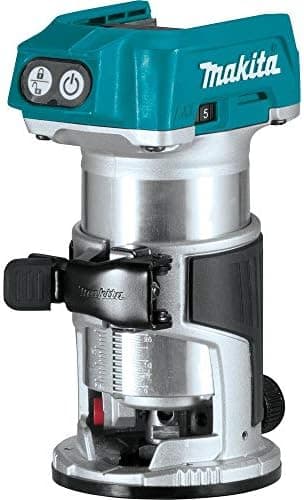
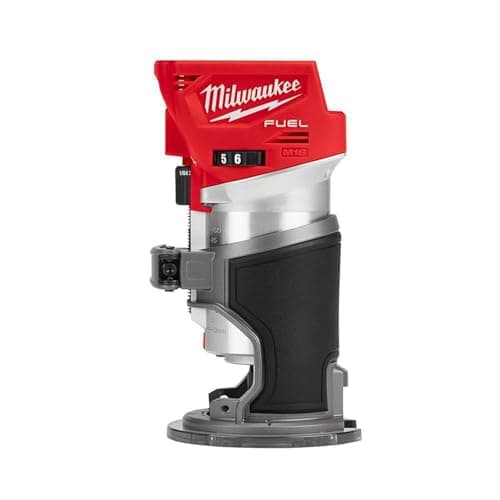
Mainstream tech press and specialist subreddit threads broadly agree that modern brushless cordless trim routers (DeWalt DCW600B, Milwaukee M18 Fuel, Makita XTR01Z, Bosch 18V Colt) have enough power for edge profiling, round-overs, dadoes, hinge mortising, and most 1/4-inch-shank work. They are not a replacement for a 2+ HP plunge router for slab flattening or heavy 1/2-inch bits.
Which battery platform should I pick?
Reviewers consistently advise picking the router that matches the cordless platform you already own, since the battery is the most expensive part of the system. DeWalt 20V MAX, Milwaukee M18, Makita 18V LXT, and Bosch 18V all have credible options reviewed here; Ryobi One+ is the clear value play if you already have those batteries.
Do cordless trim routers eat batteries fast?
Yes. Verified-purchase reviews and Reddit threads repeatedly note that high-RPM routers drain batteries quickly and that running anything smaller than a 5Ah (and ideally 6–8Ah) pack will leave you swapping batteries often.
Cordless trim router vs. cordless plunge router — which do I need?
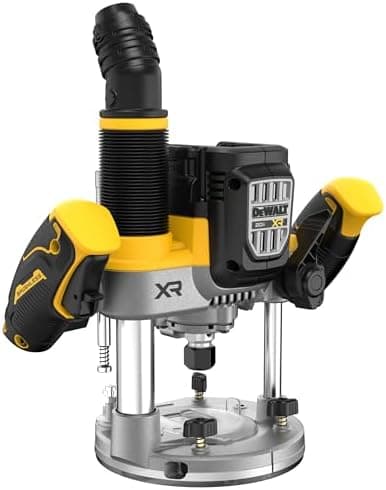
For edge work, round-overs, chamfers, and flush-trimming, a compact fixed-base trim router is what most reviewers recommend. For mortising, inlay, and template work, you'll want a plunge base — several of these systems (DeWalt, Milwaukee, Makita, Bosch) sell a separate plunge base that fits the same motor.
Is the Bosch 18V Colt worth the premium over the Ryobi P601?
According to the reviewers we read, the Bosch GKF18V-25N adds a brushless motor, drop detection, soft start, motor brake, and noticeably better fit-and-finish over the Ryobi P601. The Ryobi remains the budget pick if you're on the One+ platform and doing light DIY work.