
VerdictAI

Independent algorithmic synthesis · 2026

Best Corded Wood Routers

Corded wood routers remain the workhorse choice for serious woodworkers, and the field has consolidated around a handful of well-known kits from Bosch, DeWalt, and SKIL. This roundup synthesizes what specialist woodworking subreddits, independent tool-review sites, and verified-purchase reviewers across major retailers have said about the leading models, weighted toward high-trust expert and community sources. Where the consensus is genuinely split, we surface the disagreement rather than smooth it over.

Sources behind this verdict

48 reviewers, weighted by source trust

48reviewers read

Weighted by source trust

We don’t review products. We read what other reviewers wrote, score each source for trustworthiness, and synthesize the consensus.

How sources are scored →

Trust hierarchy

Trusted3
Verified0
Supporting12
Flagged0

Source mix

48signals
  • 28Community
  • 20Video

Trusted · 3 sources

Independent · documented methodology

At a glance

Highest-rated by the consensus

#1 of 5
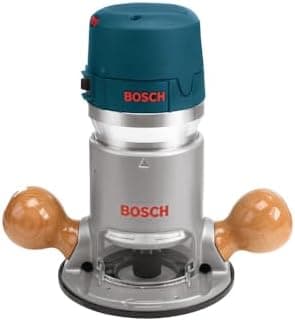
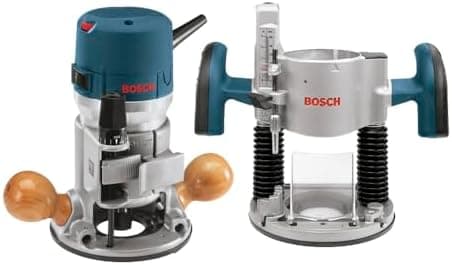
Top pick · #1Bosch 1617EVSPK 2.25 HP Combination Plunge- and Fixed-Base Router
Best overall

Bosch 1617EVSPK 2.25 HP Combination Plunge- and Fixed-Base Router

★★★★★4.8(4,975)92Excellent

Across the reviewers we read, the Bosch 1617EVSPK is the closest thing to a default recommendation in this category. Multiple high-trust r/woodworking and r/Tools threads describe it as the most popular 'do-it-all' corded router, with one long-time owner reporting three units over 25 years and another r/Tools commenter calling it powerful enough to flatten slabs at 2.25 HP while remaining compatible with most router tables.

The rest of the rankings

#2,5

Frequently asked

5 questions
Should I buy a combo (plunge + fixed base) kit or a single-base router?
Across the woodworking subreddits we read, the dominant recommendation for a first router is a combo kit, because the same motor can be swapped between a fixed base (for table mounting or edge work) and a plunge base (for mortises, inlays, and stopped grooves). Single-base fixed routers make more sense as a dedicated router-table motor or as a second router.
How much horsepower do I actually need?
For general furniture work, edge profiling, dadoes, and most jigs, 2 to 2.25 peak HP is the sweet spot cited repeatedly in r/woodworking discussions. 1 to 1.25 HP palm/compact routers handle trim and small bits well but struggle with large profile or panel-raising bits. 3+ HP routers are typically only needed for big raised-panel bits or slab flattening jigs in a table.
Can I use a handheld router in a router table?
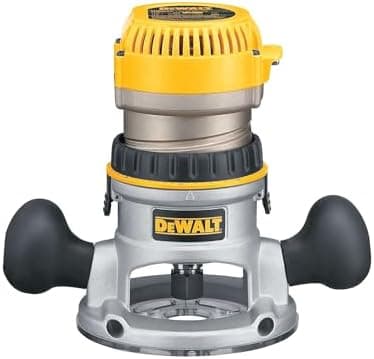
Yes, and most mid-size routers like the Bosch 1617 and DeWalt DW618 are specifically designed for both handheld and table use. Reviewers across forums note that the fixed base is what mounts to the table, and above-table height adjustment varies by model. Check that the model you pick is compatible with the router table or lift you plan to use.
Is 1/2-inch collet capability important?
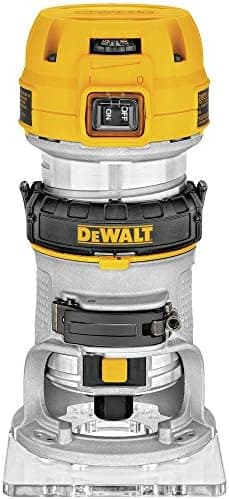
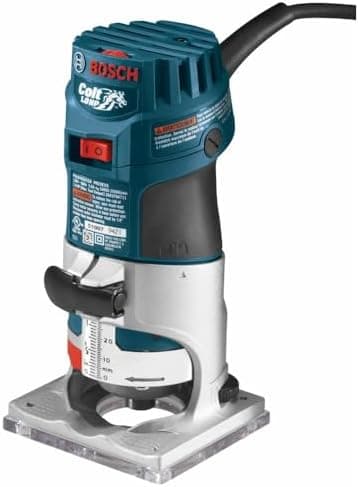
For anything beyond light trim work, yes. 1/2-inch shank bits are stiffer, run with less deflection, and are required for many larger profile bits. The top picks here all ship with both 1/4-inch and 1/2-inch collets; palm/compact routers like the Bosch Colt and DeWalt DWP611 are 1/4-inch only.
Are SKIL routers durable enough for regular use?
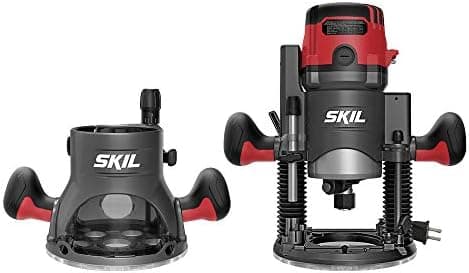
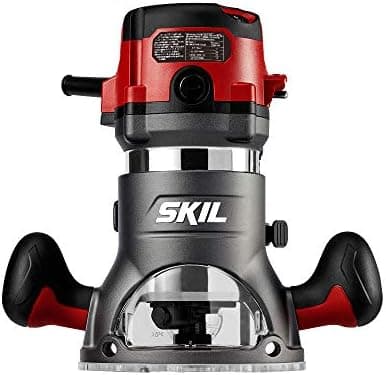
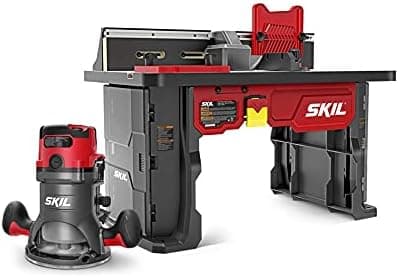
This is the most contested question in the signals we read. Independent tool-review coverage at protoolreviews.com rated the SKIL RT1322 highly on features and value, while several r/woodworking threads flag concerns about long-term durability and plunge-base rigidity. The consensus is that SKIL is a strong value pick for hobbyists but not the first choice for daily professional use.