
VerdictAI

Independent algorithmic synthesis · 2026

Best Electric Breast Pumps

Electric breast pumps span a wide gulf, from hospital-grade plug-in workhorses to pocket-sized wearables and sub-$50 portables. We read across mainstream parenting press, specialist lactation blogs, verified-purchase retailer reviews, and the r/ExclusivelyPumping community to synthesize what reviewers actually say holds up day after day. The picks below reflect that trust-weighted consensus, not a single tester's verdict, and we surface the real disagreements where they exist.

Sources behind this verdict

52 reviewers, weighted by source trust

52reviewers read

Weighted by source trust

We don’t review products. We read what other reviewers wrote, score each source for trustworthiness, and synthesize the consensus.

How sources are scored →

Trust hierarchy

Trusted5
Verified0
Supporting11
Flagged0

Source mix

52signals
  • 2Press
  • 30Community
  • 20Video

Trusted · 5 sources

Independent · documented methodology

At a glance

Highest-rated by the consensus

#1 of 5
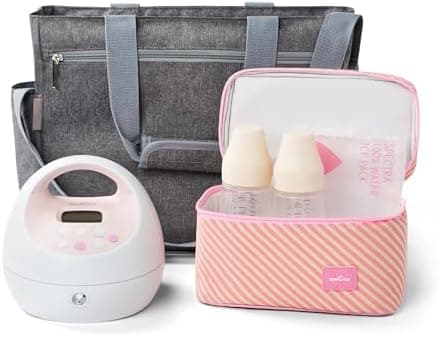
Top pick · #1Spectra - S1 Plus Electric Breast Milk Pump for Baby Feeding - Convenient Breast Feeding Support
Best overall

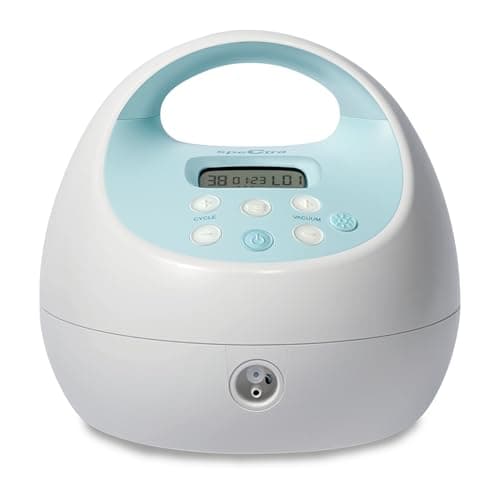
Spectra - S1 Plus Electric Breast Milk Pump for Baby Feeding - Convenient Breast Feeding Support

SPECTRA

★★★★★4.6(6,862)92Excellent

Across the reviewers we read, the Spectra S1 Plus is the closest thing this category has to a default recommendation. nytimes.com places it in its breast-pump coverage as a benchmark plug-in option, and babylist.com (tagged high-trust in the signals) highlights its ability to fully empty the breast for productive sessions.

The rest of the rankings

#2,5

Frequently asked

5 questions
Is a wearable breast pump strong enough to be a primary pump?
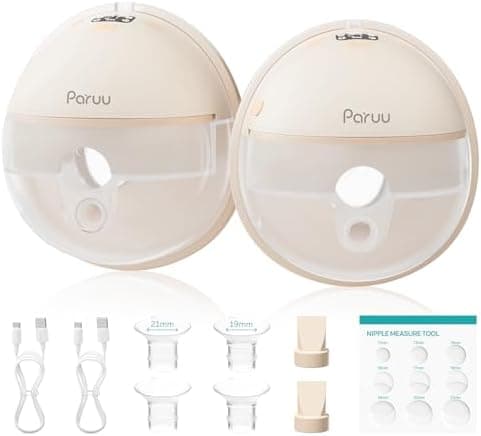
Across specialist communities like r/ExclusivelyPumping, the consensus is that most wearables are best used as secondary or on-the-go pumps. A subset of users do report using wearables like the Momcozy V1 Pro or Paruu models as a primary pump successfully, but yields are typically lower than a plug-in hospital-strength pump like the Spectra S1 or S2. If you're exclusively pumping, most reviewers recommend keeping a traditional pump as your main and using a wearable for convenience.
What's the difference between the Spectra S1 and S2?
The S1 has a rechargeable battery and the S2 is plug-in only. Otherwise the motors, suction range (up to 270 mmHg), and accessory ecosystem are essentially identical. Reviewers who pump at home or near an outlet often save money with the S2; those who want to pump in a car, on the couch, or at work without finding an outlet lean toward the S1.
Are cheap Amazon breast pumps like NCVI or Paruu actually safe and effective?
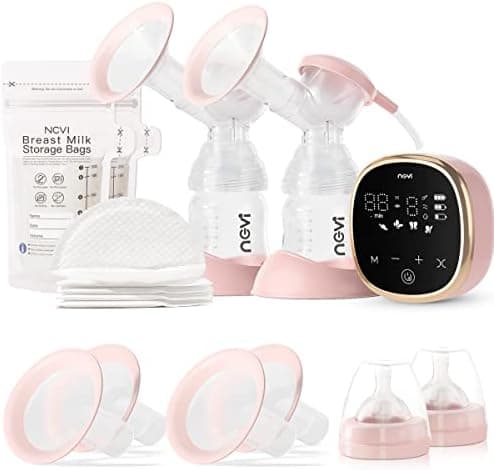
Verified-purchase reviewers and r/ExclusivelyPumping threads report strong real-world results from NCVI and Paruu pumps, including good suction and adequate output. The trade-offs reviewers consistently flag are shorter motor life (some report degraded suction after a few months), less consistent quality control, and limited customer support compared to established brands like Spectra. They're closed systems and generally considered safe, but expect to replace them more often.
Do wearable pumps cause less output than traditional pumps?
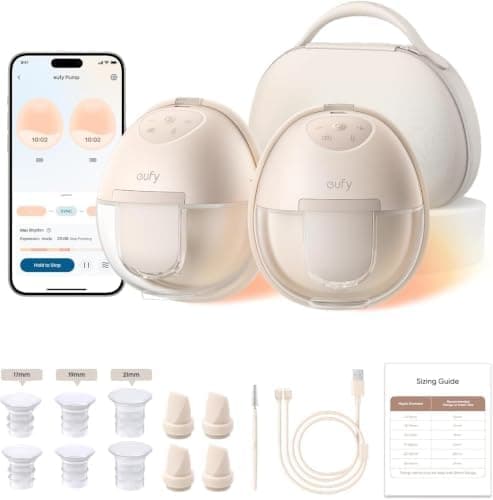
Yes, on average. Specialist subreddit consensus and lactation-focused blogs we read consistently note that wearables yield less milk per session than a hospital-strength plug-in pump, partly due to suction strength and partly due to the angle and fit of in-bra cups. Heated wearables like the eufy S1 Pro narrow the gap for some users, but for building or maintaining supply, a traditional pump is still the default recommendation.
Is insurance-covered or hospital-grade better for exclusive pumping?
Most reviewers who exclusively pump gravitate toward the Spectra S1 or S2 (often covered by US insurance) as the workhorse, with a wearable as backup. They're rated as hospital-strength (not technically hospital-grade rental units), have proven motor longevity around 1,500 hours per specialist blogs, and have a large aftermarket of replacement parts.