
VerdictAI

Independent algorithmic synthesis · 2026

Best Manual Breast Pumps

Manual breast pumps remain a staple for occasional pumping, travel, and let-down collection, and the field splits cleanly between lever-style hand pumps and passive silicone suction cups. To build this ranking we pulled together verified-purchase retailer reviews, mainstream parenting press, and high-volume specialist subreddit threads, then trust-weighted the consensus rather than relying on any single reviewer. The picks below reflect where reviewers across the internet actually converge, including the places they disagree.

Sources behind this verdict

51 reviewers, weighted by source trust

51reviewers read

Weighted by source trust

We don’t review products. We read what other reviewers wrote, score each source for trustworthiness, and synthesize the consensus.

How sources are scored →

Trust hierarchy

Trusted5
Verified0
Supporting12
Flagged0

Source mix

51signals
  • 1Press
  • 30Community
  • 20Video

Trusted · 5 sources

Independent · documented methodology

At a glance

Highest-rated by the consensus

#1 of 5
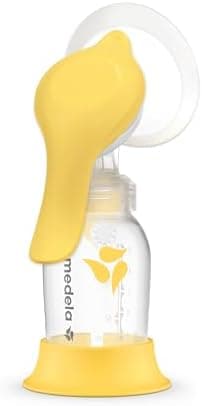
Top pick · #1Medela Harmony Manual Breast Pump, Compact Swiss Design with PersonalFit Flex Shields and Medela's 2-Phase…
Best overall

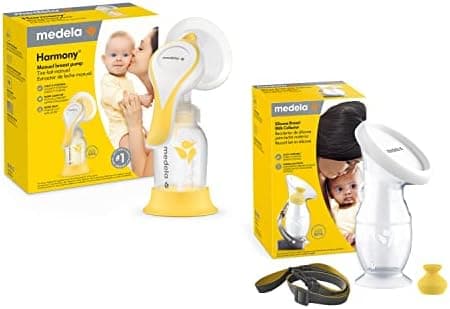
Medela Harmony Manual Breast Pump, Compact Swiss Design with PersonalFit Flex Shields and Medela's 2-Phase…

Medela

★★★★★4.5(21,299)89Great

Across the reviewers we read, the Medela Harmony is the closest thing this category has to a default recommendation. nytimes.com names it the best manual breast pump, citing the smooth swiveling handle that's easier to grip and squeeze repeatedly than competitors, and r/breastfeeding threads echo that verdict at length, with multiple commenters describing full expression in under 10 minutes once let-down kicks in.

The rest of the rankings

#2,5

Frequently asked

5 questions
Is a manual breast pump worth buying if I already have an electric pump?
Across the reviewers we read, the strong consensus is yes, as a backup. Specialist subreddit threads on r/breastfeeding and r/ExclusivelyPumping repeatedly describe manual pumps as essential for power outages, travel, clogged ducts, and emergency relief, and at $13 to $30 the downside is small. Many parents also use a silicone pump on the opposite breast during nursing to catch let-down that would otherwise be lost.
What's the difference between a lever-style manual pump and a silicone (Haakaa-style) pump?
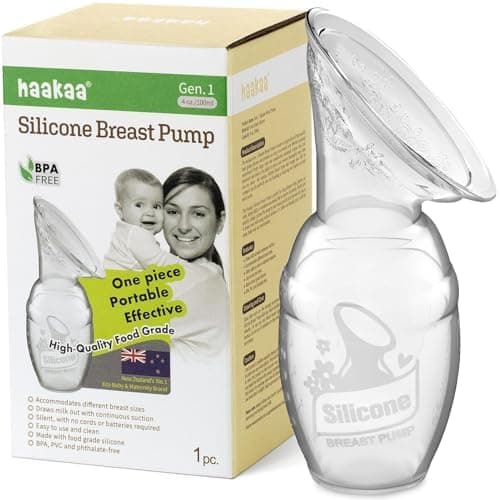
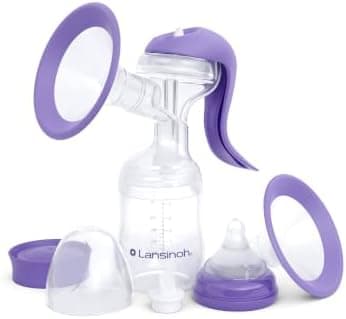
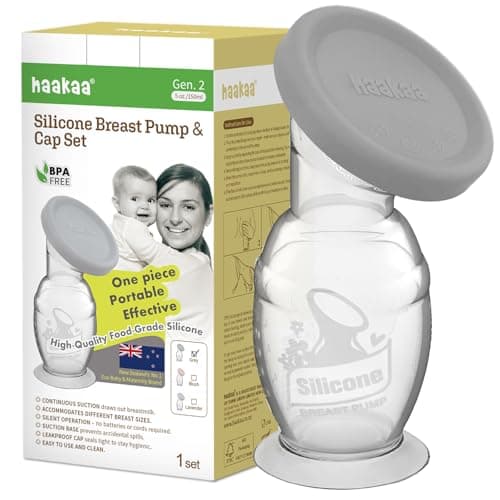
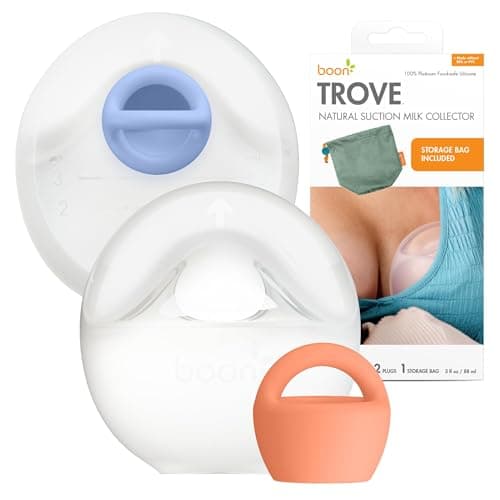
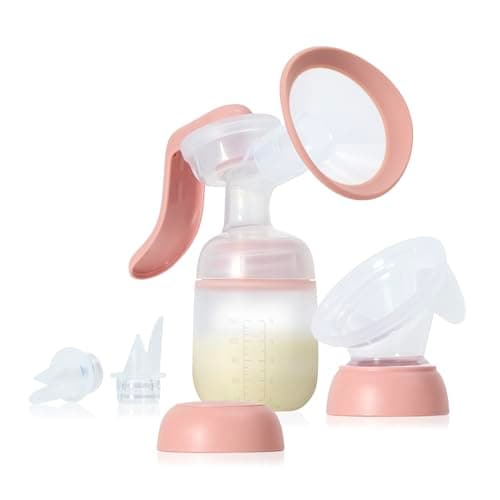
A lever pump like the Medela Harmony or Lansinoh uses an active hand-squeezed piston to create rhythmic suction, so you control pace and pressure and can fully express a breast. A silicone pump uses passive suction, you squeeze, attach it, and let natural let-down flow in. Reviewers across r/breastfeeding consistently note silicone pumps are not true replacements for expressing on both sides, they're best for catching let-down or relieving engorgement.
Can a manual pump replace an electric pump for everyday use?
Mainstream reviewers and specialist communities largely say no for full-time pumping, but yes for light or occasional schedules. Lever-style pumps cause hand fatigue over long sessions, a tradeoff repeatedly flagged in expert reviews. For one or two sessions a day, returning-to-work backup, or travel, multiple high-trust subreddit threads describe lever pumps as surprisingly efficient.
Why does the Haakaa get such mixed reviews?
Because reviewers use it for different jobs. Threads on r/breastfeeding and r/HumansPumpingMilk note that as a passive let-down catcher during nursing it works well for many parents, but as a primary pump it underperforms, and aggressive suction can overstimulate supply or cause oversupply problems. The disagreement in reviews is usually about expectations, not the product itself.
How much should I expect to spend on a good manual pump?
Across the candidates we reviewed, capable manual pumps run roughly $13 to $30. Silicone passive pumps cluster around $13 to $26, lever-style hand pumps around $28 to $30. Higher prices in this category typically reflect bundles (collector cups, multiple flange sizes) rather than meaningfully better suction.