
VerdictAI

Reviewer consensus · 2026

Best Backpacking Tents of 2026What 50 reviewers actually think, trust-weighted

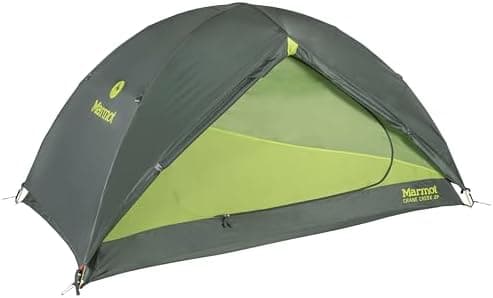
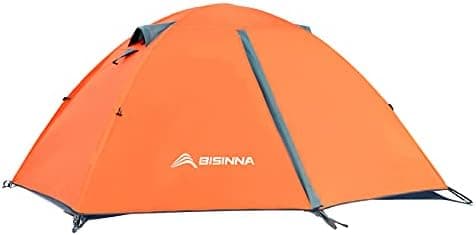
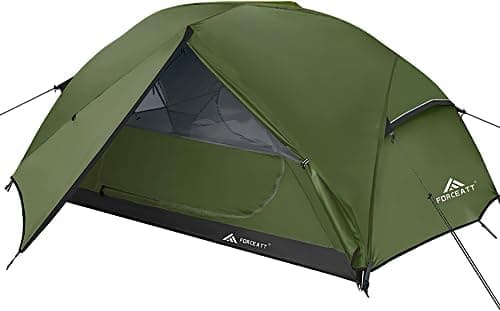
Backpacking tents force tradeoffs between weight, weather protection, livable space, and price, and the consensus across mainstream tech-press reviewers, specialist ultralight communities, and verified-purchase shoppers rarely points to a single "winner." We synthesized expert reviews, retailer feedback, and Reddit threads from specialist subreddits to surface five picks that genuinely have trust-weighted support behind them. Where high-trust testers and community consensus disagree, we flag the disagreement rather than smooth it over.

Sources behind this verdict

50 reviewers, weighted by source trust

50reviewers read

Weighted by source trust

We don’t review products. We read what other reviewers wrote, score each source for trustworthiness, and synthesize the consensus.

How sources are scored →

At a glance

Highest-rated by the consensus

#1 of 5
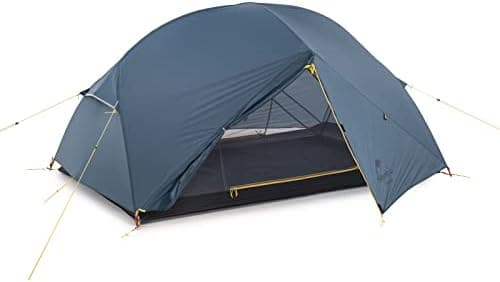
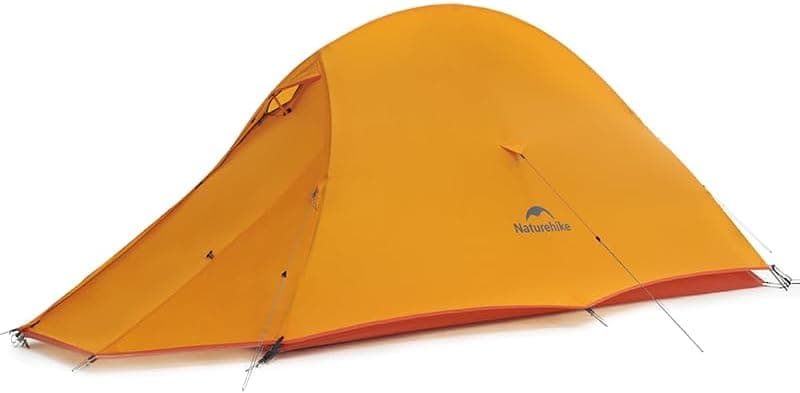
Top pick · #1Naturehike Mongar Backpacking Tent, 3 Season Ultralight Lightweight Double Layer Free Standing Tents for…
Best overall

Naturehike Mongar Backpacking Tent, 3 Season Ultralight Lightweight Double Layer Free Standing Tents for…

Naturehike

★★★★★4.5(962)85Great

Across the reviewers we read, the Naturehike Mongar 2 draws the most consistently positive trust-weighted consensus in this pool. r/Ultralight threads (high-trust community) repeatedly compare it favorably to tents costing three to five times more, with one commenter saying they'd "compare them to €300-€500 tents rather than" cheap competitors.

The rest of the rankings

#2,5

Frequently asked

5 questions
What weight should I look for in a backpacking tent?
For most weekend backpackers, a 2-person tent in the 3-5 lb range is the sweet spot between durability and pack weight. Sub-3-lb "ultralight" tents (often trekking-pole or 15D nylon designs) save weight but typically use thinner fabrics and require more careful setup. Reviewers across r/Ultralight consistently note that going under 3 lb usually means trading durability or freestanding convenience.
Are budget tents from brands like Naturehike and Kelty actually good?
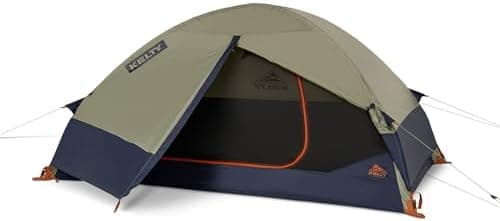
Specialist-community consensus on r/Ultralight and r/CampingGear is broadly positive: reviewers there repeatedly say budget tents from these brands punch above their price point and rival shelters costing 3-5x more, with the main caveats being fabric thinness, less robust zippers, and weaker warranties than premium brands like Big Agnes or NEMO.
Do I need a freestanding or trekking-pole tent?
Freestanding tents (with dedicated poles) are easier to pitch on rocky or hard ground and are beginner-friendly. Trekking-pole tents shave significant weight but require you to already carry poles and to pitch on stake-able terrain. Mainstream reviewers we read generally recommend freestanding for beginners and trekking-pole for thru-hikers prioritizing weight.
How important is a double-wall design?
Double-wall tents (mesh inner plus separate rainfly) manage condensation dramatically better than single-wall designs, which matters in humid or cold conditions. Across the reviewers we read, condensation complaints are the single most common pain point with single-wall ultralight tents.
Will a 3-season tent handle light snow?
Verified-purchase reviewers and community threads report that better 3-season tents like the Kelty Grand Mesa have survived light snow loads, but they're not designed for sustained winter use. If you regularly camp in snow or high winds, a true 4-season tent with stronger pole geometry is worth the extra weight and cost.