
VerdictAI

Reviewer consensus · 2026

Best Stand Mixers of 2026What 69 reviewers actually think, trust-weighted

Stand mixers are a long-term kitchen investment, and the reviewers we read range from independent testing outlets to thousands of verified-purchase buyers and specialist baking communities. This roundup is a trust-weighted synthesis of that published consensus rather than our own hands-on testing, with extra weight given to high-trust sources and honest attention to where reviewers disagree. We focused on real-world strengths like dough-kneading torque, capacity, stability, and long-term durability.

Sources behind this verdict

69 reviewers, weighted by source trust

At a glance

Compare

Pick any two for a head-to-head

Scores, pros, cons, and our verdict — side by side.

vs

Highest-rated by the consensus

#1 of 7
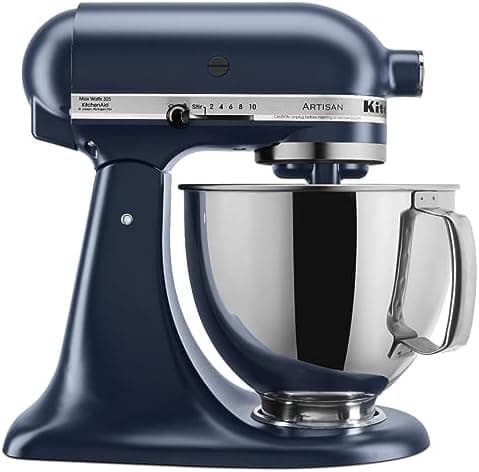
Top pick · #1Artisan 5 Quart Tilt-Head Stand Mixer - KSM150PS, Ink Blue
Best overall

Artisan 5 Quart Tilt-Head Stand Mixer - KSM150PS, Ink Blue

★★★★★4.7(22,896)88Great

Across the reviewers we read, the KitchenAid Artisan 5-quart tilt-head is the default recommendation for a well-rounded home stand mixer. Best Buy's verified-purchase reviews (a high-trust retailer source) highlight strong overall performance, ease of use, durability and powerful mixing, and that praise is echoed by a very large Amazon base of 22,898 reviews averaging 4.7 stars and by verified-purchase comments on Walmart and Home Depot calling it versatile and well built.

The rest of the rankings

#2,7

Frequently asked

5 questions
Is a KitchenAid stand mixer worth the higher price?
For most home bakers, the consensus across mainstream reviewers and specialist baking subreddits is yes, primarily for durability and the huge attachment ecosystem. That said, community threads repeatedly note that the tilt-head Artisan and Classic models are built for occasional-to-moderate baking, not daily heavy bread work, and several reviewers say cheaper KitchenAids are less bulletproof than older units. Heavy bread bakers tend to recommend a bowl-lift model instead.
Tilt-head or bowl-lift, which should I buy?
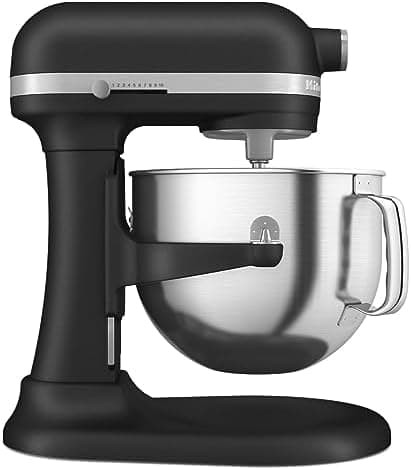
Reviewers frame this as occasional baking versus heavy dough. Tilt-head models (Classic, Artisan) are easier to access and store and handle cookies, cakes and lighter dough well. Bowl-lift models are described across communities as sturdier with roughly double the in-bowl power, better for stiff doughs like bagels and bread, but heavier and bulkier on the counter.
What size stand mixer do I need?
For 1-2 person households or small kitchens, verified-purchase reviewers say a 3.2-4.5 quart bowl is plenty. Most family bakers land on 5-5.5 quarts as the sweet spot. Larger 6-8.4 quart commercial-style bowls suit batch baking but reviewers note the extra weight, footprint and sometimes finicky calibration.
Are budget stand mixers any good compared to KitchenAid?
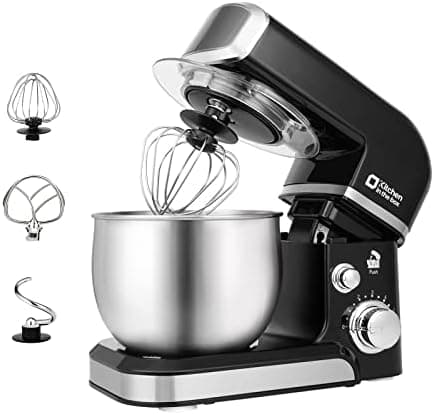
Community and verified-purchase feedback says budget mixers can be genuinely useful for small batches and casual baking, but reviewers consistently flag shorter expected lifespan, more noise, and weaker performance on heavy dough. Several threads specifically warn that some inexpensive white-label mixers are not 'lifetime quality,' so they're best seen as value picks rather than forever appliances.
Which stand mixer is best for kneading bread dough?
Across the reviewers we read, high-torque and bowl-lift designs draw the most praise for bread. Specialist baking communities single out high-torque designs for medium-to-high hydration doughs, while many warn that lightweight tilt-head mixers can overheat or shake when pushed with stiff dough.