
VerdictAI

Reviewer consensus · 2026

Best Cordless Circular Saws of 2026What 81 reviewers actually think, trust-weighted

Cordless circular saws span a wide range, from one-handed 4-1/2-inch trim saws to full-size 7-1/4-inch rear-handle framing tools, so the "best" pick depends heavily on what you cut and which battery platform you already own. This roundup synthesizes what independent testers, verified-purchase reviewers, and specialist tool communities have written, weighting high-trust testing sources over marketing copy and gameable star averages. We focused on genuine cordless models and set aside corded saws and combo accessories that crept into the candidate pool.

Sources behind this verdict

81 reviewers, weighted by source trust

At a glance

Compare

Pick any two for a head-to-head

Scores, pros, cons, and our verdict — side by side.

vs

Highest-rated by the consensus

#1 of 8
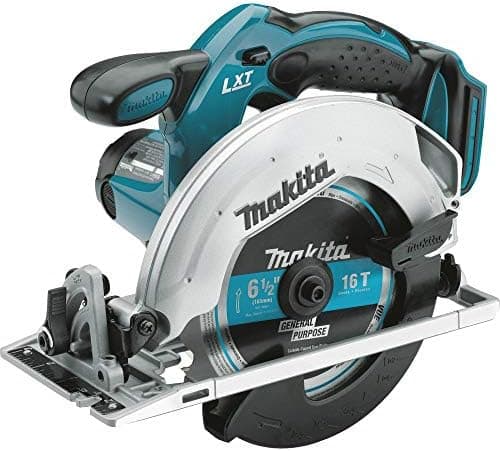
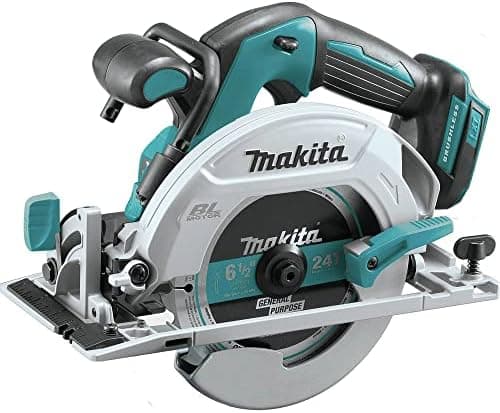
Top pick · #1Makita XSH03Z 18V LXT® Lithium-Ion Brushless Cordless 6-1/2" Circular Saw, Tool Only
Best overall

Makita XSH03Z 18V LXT® Lithium-Ion Brushless Cordless 6-1/2" Circular Saw, Tool Only

★★★★★4.6(1,230)88Great

Across the reviewers we read, the Makita XSH03Z lands as the most well-rounded 6-1/2-inch cordless saw in this pool. protoolreviews.com, a high-trust testing source, called it a "lightweight" saw with "excellent cutting power and some of the best ergonomics," and Makita's own spec of roughly 7.3 lbs with battery and 5,000 RPM lines up with that lightweight-but-capable framing.

The rest of the rankings

#2,8

Frequently asked

5 questions
Do I need a brushless cordless circular saw?
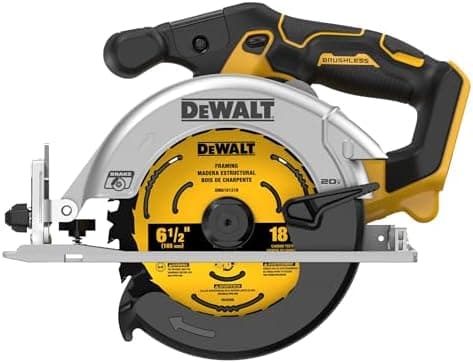
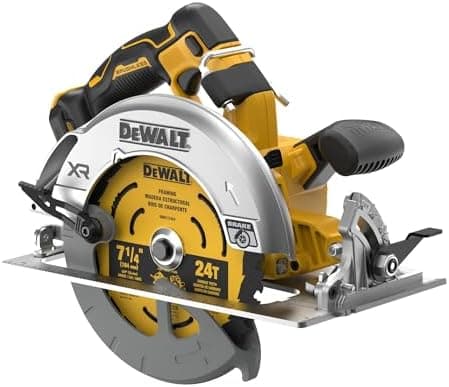
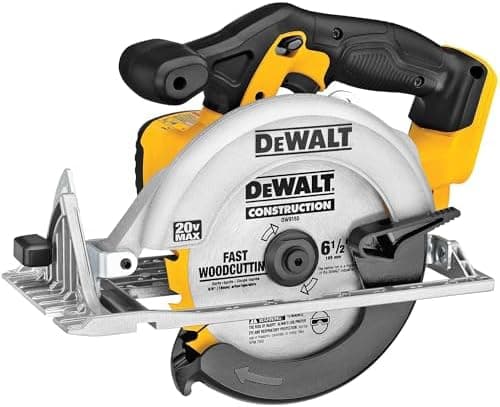
Across the reviewers we read, brushless models (like the Makita XSH03Z and DeWalt DCS565B/DCS590B) consistently deliver more cuts per charge, run quieter, and last longer than brushed equivalents. Brushed saws such as the Makita XSS02Z and DeWalt DCS391B remain capable and cost less, but multiple specialist-community threads note they bog down faster under load and on smaller batteries.
Is a 6-1/2-inch or 7-1/4-inch cordless saw better?
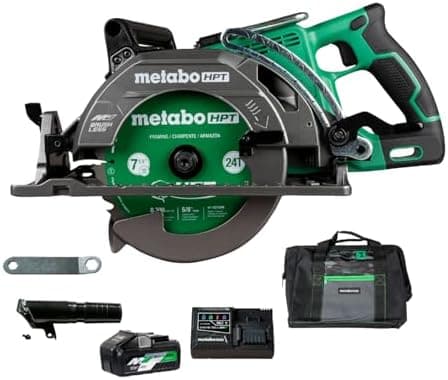
Reviewers generally frame 6-1/2-inch saws as the lighter, more maneuverable choice for sheet goods and 2x lumber, while 7-1/4-inch saws (such as the DeWalt DCS590B and Metabo HPT 36V rear handle) add depth and power for ripping thicker stock. Carpentry-forum consensus favors a full 7-1/4 rear handle for framing, but many homeowners find a 6-1/2 covers most jobs at lower weight.
Should I buy a tool-only saw or a kit with batteries?
Most of the strongest picks here are sold tool-only, which makes sense if you already own a battery platform. Verified-purchase reviewers repeatedly recommend buying extra and larger-capacity batteries, since runtime and even cutting power scale noticeably with higher-amp-hour packs.
Are mini/compact cordless circular saws worth it?
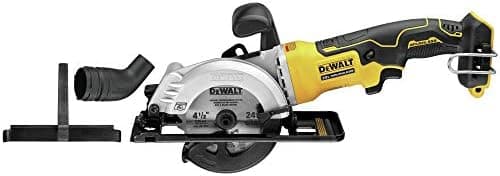
Specialist subreddits describe compact 4-1/2-inch saws as genuinely useful for one-handed cuts in tight spaces and breaking down sheet goods, but they flag that stock blades dull quickly, cuts aren't always clean, and the light tools can grab when they hit resistance. They're a supplement to a full-size saw, not a replacement.
Which cordless circular saw brand has the best ecosystem?
DeWalt 20V MAX, Makita 18V LXT, and Metabo HPT MultiVolt all draw strong community support. Reviewers generally advise choosing the saw on the battery platform you already own or plan to grow into, since batteries and chargers dominate long-term cost.